


Marketed as a conservation tool, Florida's yearly Python Challenge is meant to reduce the Burmese python population in the Everglades.
But now, Amy Siewe, one of the state's most recognizable python hunters, says the event may actually be accomplishing far less for conservation than many people assume.
What's happening?
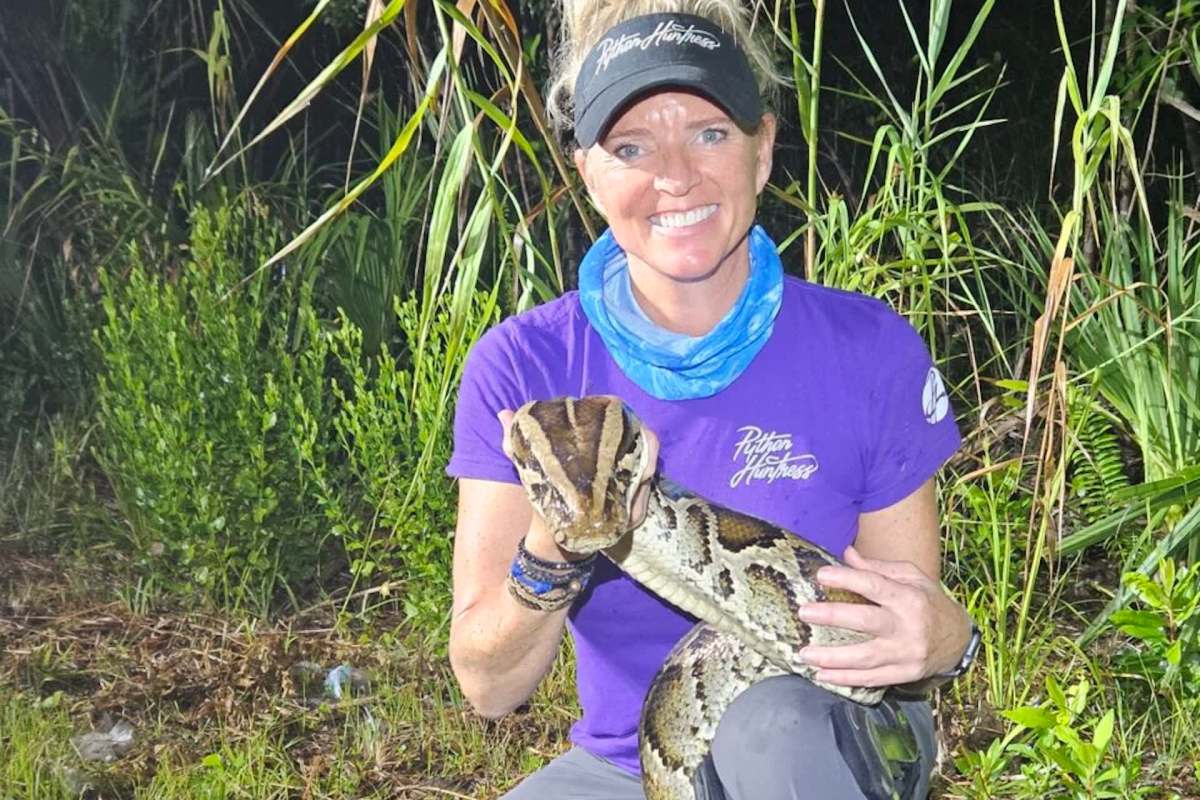
Although removing Burmese pythons is both her profession and something she deeply cares about, snake hunter and guide Amy Siewe, also known as "The Python Huntress," does not take part in Florida's Python Challenge.
The Python Huntress recently penned an op-ed to the Naples Daily News explaining why she would not participate.
What concerns her most is the number of inexperienced people the contest draws into South Florida's wetlands during the busiest hunting days.
Siewe wrote that young Burmese pythons can look similar to native snakes, increasing the risk that noninvasive species are killed or that participants end up in dangerous encounters with venomous snakes. She noted that one contestant this time around has already been bitten by a venomous snake after believing it was a python.
TCD Picks » Quince Spotlight
💡These best-sellers from Quince deliver affordable, sustainable luxury for all




She said the added presence of vehicles, lights, and people can also change python behavior, making the snakes more difficult to locate. As she put it, "More people does not automatically mean more pythons caught."
Siewe is also troubled by the event's $10,000 prize, saying it can create incentives for cheating. She pointed to allegations that some people keep snakes before the competition and then submit them later.
She added that humane euthanasia is another concern because disqualifying someone after an unethical killing does nothing to undo any suffering.
Why does it matter?
Florida's Burmese python problem is real, and removing the snakes matters for the Everglades as well as the communities connected to that ecosystem.
In Siewe's view, the larger issue is that conservation becomes less effective when spectacle starts taking priority over skill and training.
If inexperienced participants misidentify native snakes, get bitten, or mishandle captured animals, the consequences go beyond a single mistake. They can create public safety concerns, animal welfare issues, and credibility problems for invasive-species control efforts.
Restoring a damaged ecosystem is slow, expensive, and difficult work. Turning python removal into entertainment could weaken year-round professional efforts or erode public trust in invasive-species control.
Siewe summed up the risks, saying, "If you don't know exactly what you're looking at, you shouldn't be grabbing it — and you certainly shouldn't be killing it."

Get TCD's free newsletters for easy tips, smart advice, and a chance to earn $5,000 toward home upgrades. To see more stories like this one, change your Google preferences here.







