


For many people, disappearing wildlife does not first show up in a scientific paper. It appears in memory: fewer butterflies in the garden, fewer moths gathering around porch lights, and fewer birdsong-filled mornings.
In India, Sohail Madan, founder and director of WildTales Foundation, believes that decline can be reversed close to home as scientists warn that familiar birds and insects are quietly disappearing from everyday surroundings.
What's happening?
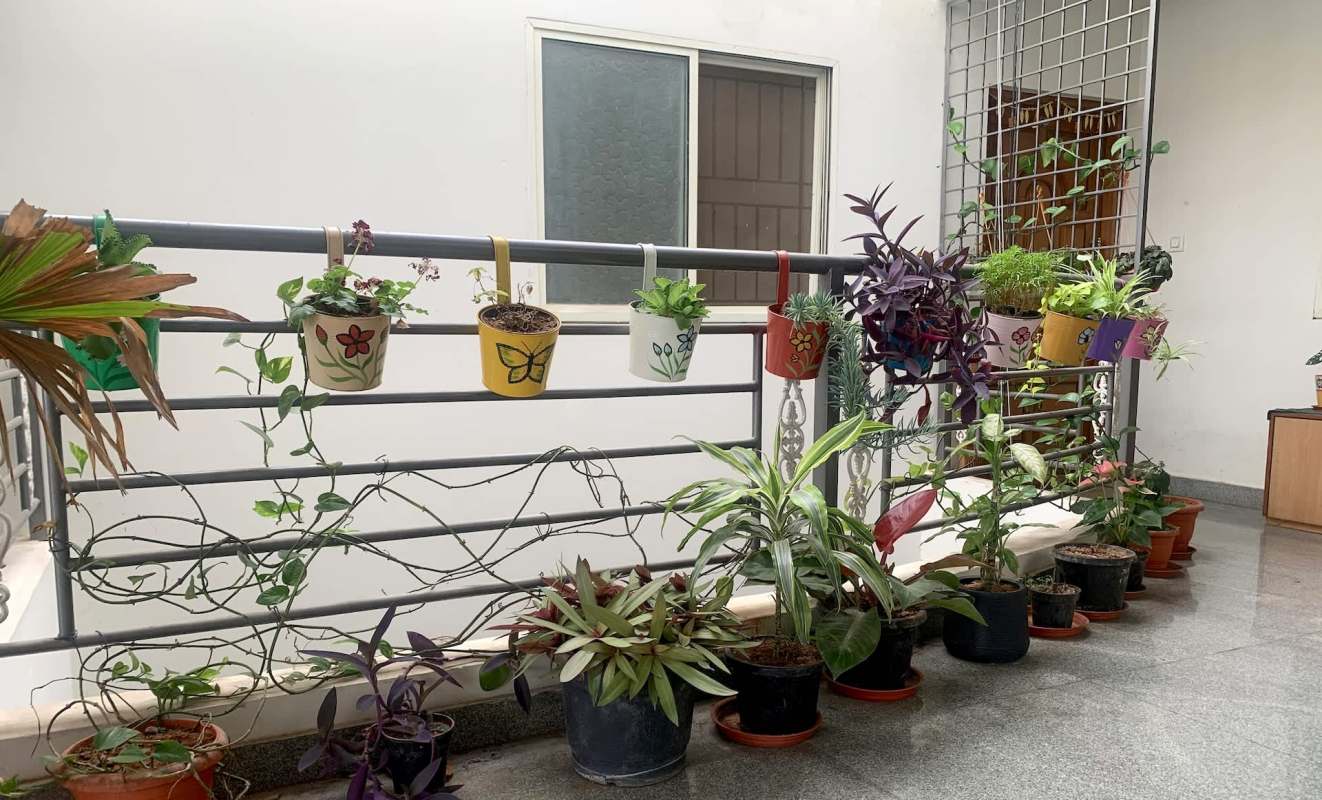
According to The Better India, Madan says that reversal can start near home — and that "every balcony, every terrace and every backyard can become part of the solution."
Over more than 15 years, Madan has focused on repairing damaged habitats, expanding native plant life, and making urban areas more welcoming to wildlife.
He is putting that message forward as scientists document a quieter disappearance of familiar species from the places people see every day.
One sign of that trend comes from birds: the State of India's Birds 2023 report found declines in nearly half the assessed species and identified about 178 as conservation concerns. Insects, too, are being hit hard, largely because habitat is vanishing and chemicals are used so heavily.
TCD Picks » Quince Spotlight
💡These best-sellers from Quince deliver affordable, sustainable luxury for all




Madan came to this work after starting out in engineering. He joined the Bombay Natural History Society in 2010, and he has said that restoration efforts in places including Delhi's Asola Bhatti Wildlife Sanctuary showed him the problem up close.
"People think it means planting thousands of trees. It is not that easy," he said.
For Madan, conservation is really about restoring the long-evolved connections between native plants and the insects and birds that depend on them.
Why does it matter?
Those connections can be very specific: butterflies may need particular host plants to breed, while birds rely on insects for food and on native shrubs and trees for fruit and cover.
Madan offered a simple example: "Its caterpillars feed on curry leaf plants. If curry leaf disappears from an area, the butterfly won't simply shift to another ornamental plant. It can't."
When those native plants are lost, the insects adapted to them often disappear from the area as well.
The effects do not stop there.
"When we replace native plants," Madan said, "we're not just removing one species. We're breaking relationships that have developed over thousands of years."
That is why tidy urban landscaping can be less useful than it looks. "Lawns are almost like green carpets. They look nice, but very little lives there," he added.
What can I do?
Rather than asking people to turn every space into a major restoration site, Madan emphasizes practical changes that households, schools, and neighborhoods can make.
The Delhi Butterfly Corridor Project encouraged schools, parks, hospitals, residential societies, and households to plant small native plots that support butterflies.
Across the city, those patches became what Madan described as "stepping stones" for pollinators. The project also helped establish a native-plant nursery in Delhi that now grows close to 10 lakh saplings a year for restoration work.
For individuals, his advice begins with a few basics: avoid chemical pesticides, keep water outside throughout the year, and choose native species instead of imported ornamental plants.
Depending on local conditions, Madan recommends plants such as curry leaf, lemon, milkweed, mulberry, karonda, and phalsa.
He also says wildlife-friendly gardens do not need to be tightly controlled. "The healthiest gardens aren't always the neatest," he said. "They're the ones where nature is allowed to do what it does best."
"Don't wait for peak summer," he said. "Keep water available throughout the year."
He offered one more suggestion for anyone creating a wildlife-friendly corner at home: "Put a chair there. Have your morning tea there. Sit with your family."

Get TCD's free newsletters for easy tips, smart advice, and a chance to earn $5,000 toward home upgrades. To see more stories like this one, change your Google preferences here.






