


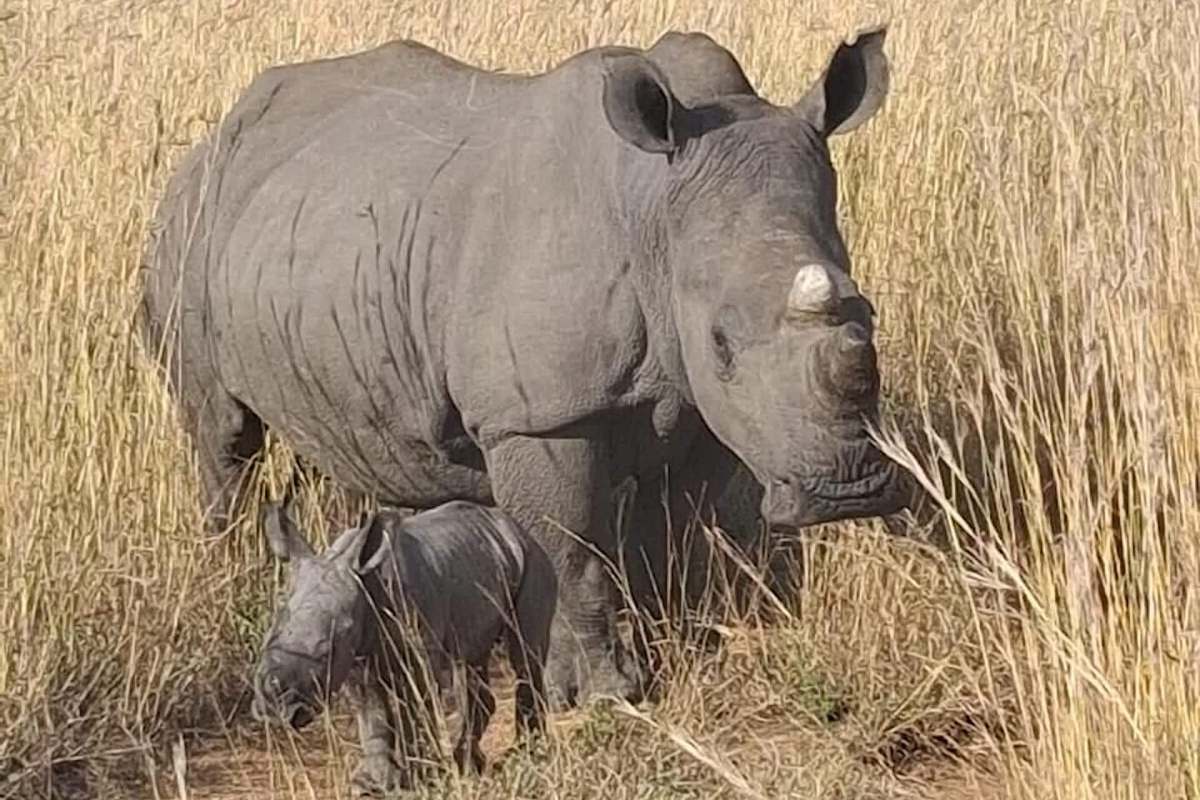
In South Africa, six rhinos that lost their mothers when they were young have now gone on to have calves of their own in the wild.
The Witness reported that the animals were removed from Ezemvelo KZN Wildlife reserves around 2017. After spending years in rehabilitation, they were eventually released back into the wild in KwaZulu-Natal.
What happened?
Ezemvelo KZN Wildlife said the rhinos were among those made especially vulnerable by poaching, leaving them traumatized.
After being rescued, the rhinos underwent veterinary treatment, long-term rehabilitation, and continued monitoring as they recovered.
The outcome has taken years to see through, but all six rhinos have now given birth in the wild. Conservationists have said that achievement shows orphaned animals can heal, return to natural conditions, and play a role in rebuilding wild populations.
Dumisani Zwane, Ezemvelo's Game Capture and Veterinary Manager, said the process can take a long time.
TCD Picks » Quince Spotlight
💡These best-sellers from Quince deliver affordable, sustainable luxury for all




"Orphaned rhinos remain in rehabilitation for about four to five years, until they are ready to be released back into the wild," Zwane said, per The Witness.
Why does it matter?
Rhino poaching is often framed in terms of loss, but this story shows what recovery can look like when conservation programs are given the time and support they need to succeed.
Protecting iconic species is not only about ensuring wild animals can have safe and healthy lives; it helps preserve the ecosystems and natural heritage that communities rely on. Healthy wildlife populations can also help support local economies connected to conservation and nature tourism.
Behind each calf are years of work by veterinarians, reserve staff, rehabilitation teams, and partner organizations, all working to give animals affected by wildlife crime a second chance.
What's being done?
Ezemvelo's Game Capture and Veterinary Unit supervises the full chain of support, from rescue and veterinary treatment to rehabilitation, release, and follow-up monitoring.
The authority also credited collaboration for making the effort possible, saying the program relied on work across government, private rhino orphanages, and conservation groups to help with the substantial cost of long-term rhino care.
"Rehabilitating rhinos has proven to be a true conservation success," Zwane said. "With the right intervention, orphaned rhinos can return to the wild after time spent in captivity, breed naturally, and contribute to South Africa's wild rhino population."

Get TCD's free newsletters for easy tips, smart advice, and a chance to earn $5,000 toward home upgrades. To see more stories like this one, change your Google preferences here.







