


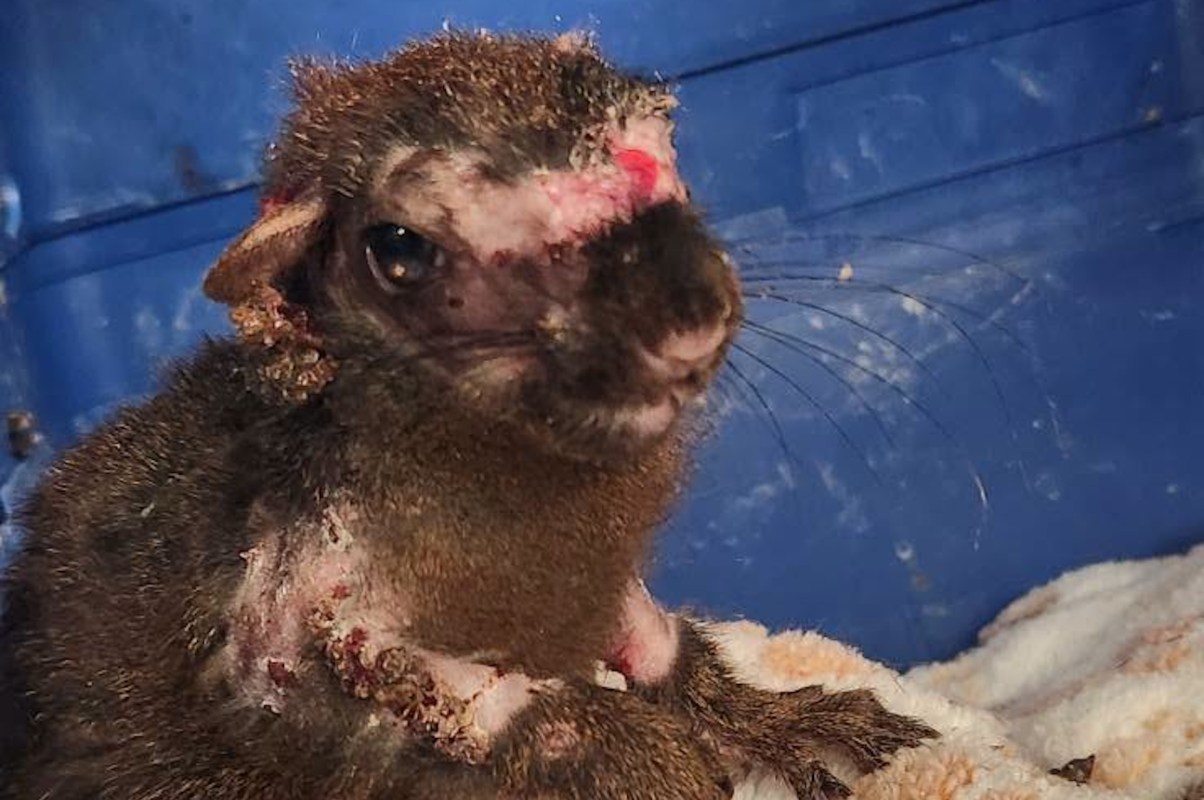
Squirrels are showing up around the country with a haunting virus that rivals a scene from "The Last of Us." Unfortunately, there is not much we can do to help, and the virus is sometimes fatal.
What's happening?
Residents in several states are reporting an unsettling sight in their backyards: squirrels with wart-like growths covering their faces and bodies.
According to wildlife experts, the virus that causes these lesions is not thought to spread to people or to animals other than squirrels.
Images of squirrels bearing large, hairless tumors have spread online and prompted worries about whether pets or other nearby wildlife could be at risk.
According to FOX Weather, the condition is squirrel pox, or squirrel fibroma, a virus affecting squirrels that can be deadly in severe cases.
In fox squirrels and gray squirrels, the illness produces wart-like fibromas that can develop almost anywhere on the body.
TCD Picks » Quince Spotlight
💡These best-sellers from Quince deliver affordable, sustainable luxury for all




When the growths become widespread, they can keep a squirrel from seeing clearly, eating, or moving normally, which can leave it exposed to predators or starvation. Laurie Brown, a wildlife research technician with the Ohio Division of Wildlife, said many of the tumors eventually go away on their own.
Theresa Carroll, who runs Halfway Home Wildlife Rehab in Livonia, Michigan, has cared for multiple squirrels with the virus, including Phlox and Maxine, both of whom recovered and were released. Another squirrel, Bugsy, is still in her care and slowly improving.
Why does it matter?
Although yard sightings often lead people to worry that pets could catch the illness, experts say squirrels do not pass it to them.
The disease can cause serious suffering in local squirrel populations, especially among younger squirrels, which are more likely to become infected.
Brown said squirrel pox is usually spread by mosquitoes, with flies and biting midges also capable of carrying the virus.
Residential yards often create ideal mosquito habitat because of standing water, and food left outside can bring squirrels into closer contact with one another, making the transfer of the virus more likely.
What can I do?
One of the simplest ways to reduce risk in your area is to get rid of standing water where mosquitoes reproduce. Standing water can allow mosquitoes to reproduce in as little as 10 days, and that timeline can shrink to as low as three days in the heat of summer.
Experts have also suggested limiting food sources that draw squirrels together, which can reduce contact between animals. That can mean bringing in pet food, cleaning up fallen seed, or rethinking feeding setups that encourage crowding.
If a squirrel appears heavily affected, it is best not to handle it yourself. Instead, keep pets away and contact a licensed wildlife rehabilitator or local wildlife agency for guidance.
Carroll's experience shows that some squirrels can recover with supportive care, but treatment takes time.

Get TCD's free newsletters for easy tips, smart advice, and a chance to earn $5,000 toward home upgrades. To see more stories like this one, change your Google preferences here.






