


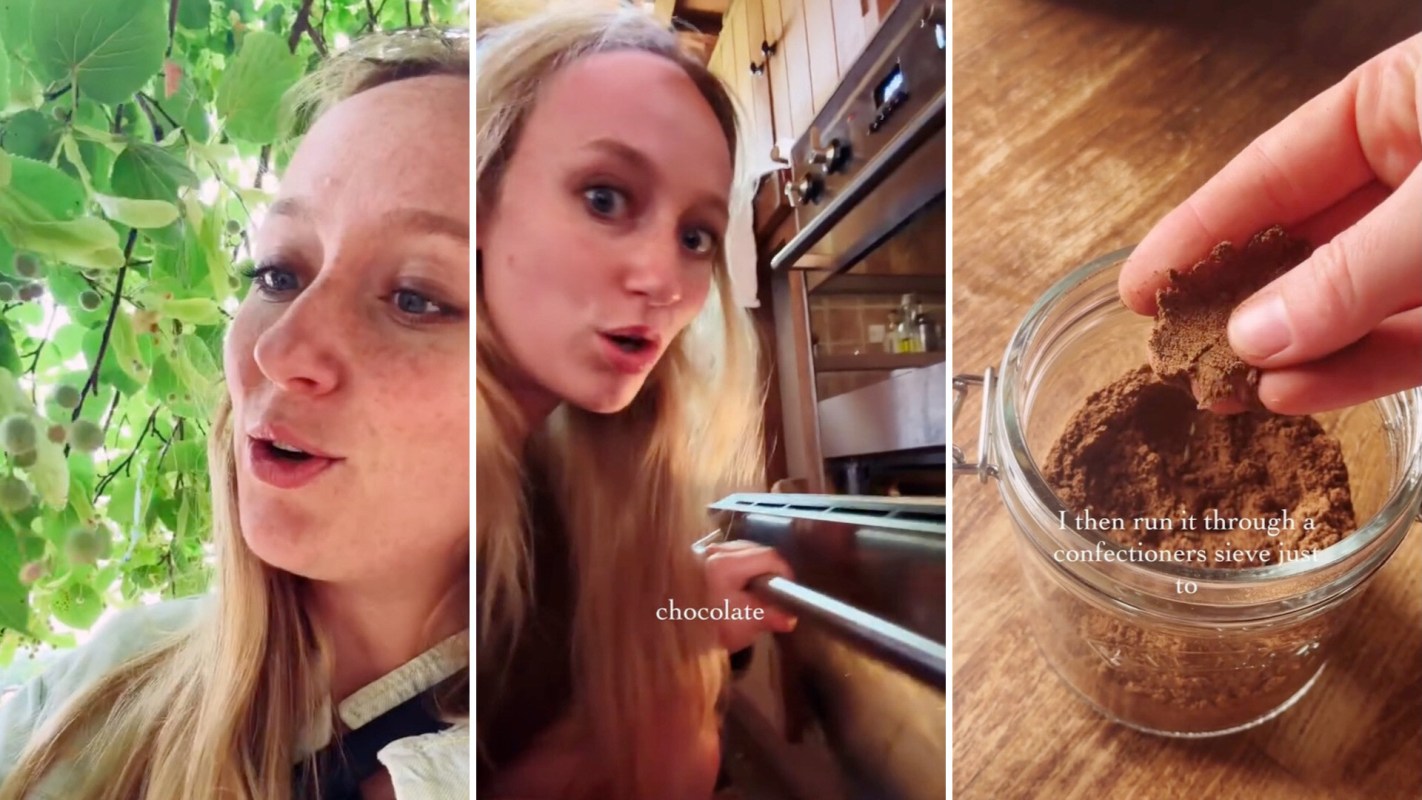
While the U.K. doesn't have cacao trees, one content creator saw some promising results turning a native species into a chocolate-like treat.
What happened?
In a TikTok experiment, The Forager's Cottage tested whether linden seeds could work as a chocolate substitute.
@theforagerscottage Have you ever tried to make Linden Seed chocolate? What do you think of it? In my opinion, it needs some adjusting to taste like "chocolate" powder but it's definitely got potential! I'll have a play around and experiment with some recipes and see what I can make 🍫 #foraging #wildfood #slowliving #cottagecore #foragedfood ♬ Run Away with Me - Instrumental Version - Louis Island
Offering an early verdict, the creator wrote: "In my opinion, it needs some adjusting to taste like "chocolate" powder but it's definitely got potential!"
The TikTok post picked up more than 23,000 likes, and the comments reflected both excitement and hesitation.
One person asked, "Is it safe? Linden makes wonderful tea but I never heard about eating the seeds."
Another chimed in enthusiastically about finding a new use for a familiar tree, writing, "Fun fact; Leipzig, Germany, was named ... because we have tons of linden trees, now I know what to do with all those seeds and why they always smell so good in autumn."
TCD Picks » Quince Spotlight
💡These best-sellers from Quince deliver affordable, sustainable luxury for all




While the creator acknowledged linden seeds weren't a perfect cacao substitute, their video provided a helpful look at the potential benefits of foraging.
Why does it matter?
Foraging, when done carefully and legally, can help people add variety to their diets and build practical food knowledge without having to buy specialty ingredients. For some households, even small habits such as using local herbs, fruits, or nuts can mean spending a little less at the store and being more connected to the planet.
Useful food sources are sometimes hiding in plain sight. A tree valued mostly for shade or tea may also inspire new culinary uses, especially for people interested in seasonal eating.
Not every wild plant is safe to eat, and viral videos are not a substitute for proper identification or local guidance.
What can I do?
Check which species are local to your area, and look for guidance from trusted regional foraging groups, field guides, or extension resources before consuming any wild food.
It is also worth checking local rules, since foraging is not allowed everywhere. Public parks, protected lands, and private property may all have different restrictions.
Learning about one local edible plant, trying a homemade pantry substitute, or growing a few herbs at home can offer some of the same money-saving and low-waste benefits without the higher risk.

Get TCD's free newsletters for easy tips, smart advice, and a chance to earn $5,000 toward home upgrades. To see more stories like this one, change your Google preferences here.







