


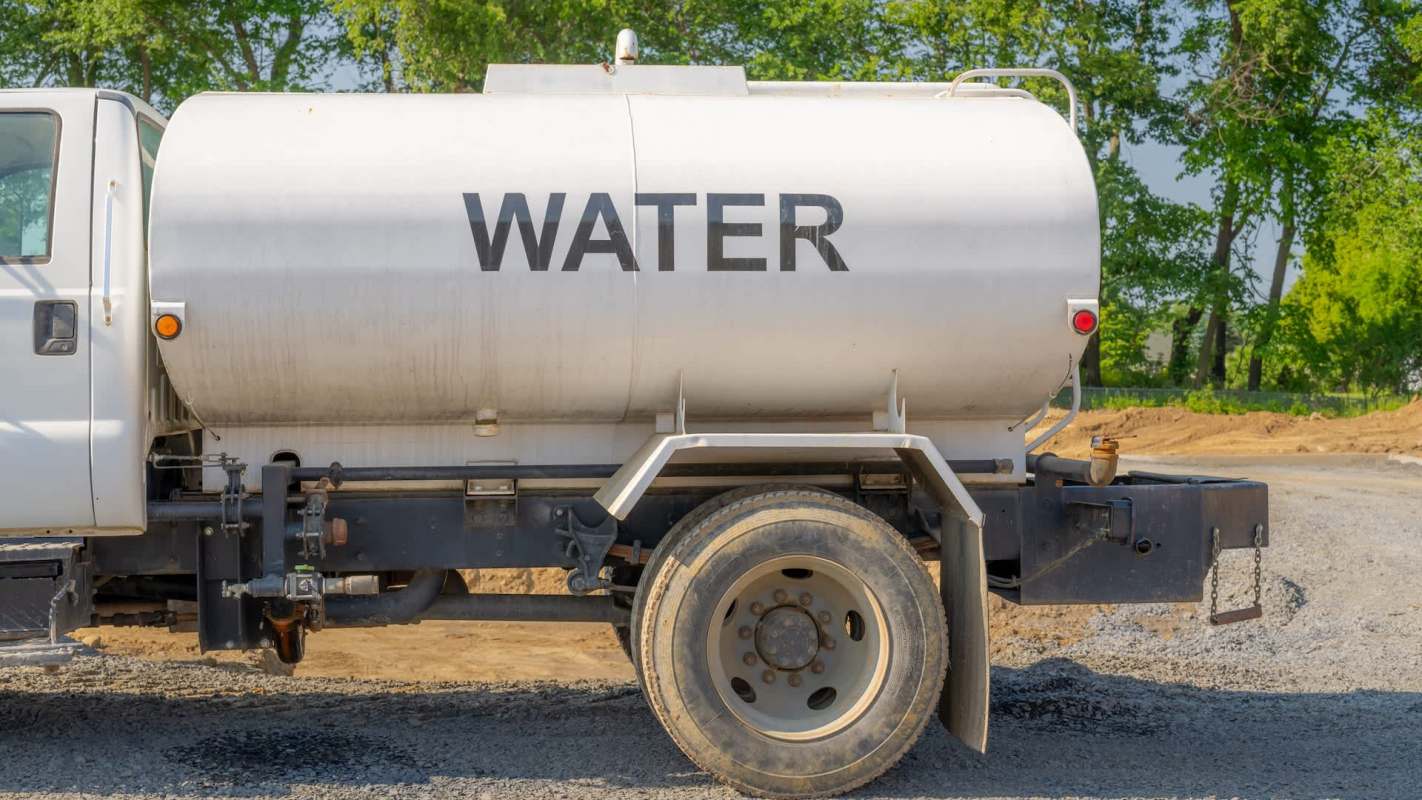
For ranchers across the Rocky Mountains, summer now means hauling water for cattle by truck across dry, rugged land.
With snowpack falling to record lows in western Colorado and other parts of the region, stock ponds, springs, and creeks are no longer providing the water they once did.
What's happening?
Scott Snyder operates Mex and Sons Ranch near Montrose with his family. According to The Associated Press, he recently had to make eight trips in three vehicles over more than nine sweltering hours, all to deliver enough water for about one or two days to his 800 cow-calf pairs.
"It's just so much work. I hate dropping any of it," Snyder told the outlet.
The AP reported the crisis comes amid this year's lowest-measured snowpack in the Upper Colorado River Basin, which includes Colorado, Wyoming, Utah, and New Mexico.
The report also cited a new study finding that human-caused climate change made a snow drought like this roughly 14 times more likely.
TCD Picks » Quince Spotlight
💡These best-sellers from Quince deliver affordable, sustainable luxury for all




Because snowmelt is no longer replenishing ponds and creeks the way it once did, ranchers are cutting herd sizes, buying extra hay, moving cattle farther to find grazeable land, and spending long days trying to secure enough water.
"If Mother Nature doesn't want to help out here, we're probably in a lot of trouble," Snyder shared to the AP.
Why is it concerning that droughts are becoming more frequent?
For an industry already under mounting pressure, the shortage is demanding more labor, more money, and more emotional endurance.
The AP reported that in Norwood, state water commissioner Mark Ragsdale is hauling water for his own 45 cow-calf pairs while also getting frequent calls from neighbors asking where they can find some.
Worsening extreme weather disasters threaten lives and livelihoods by disrupting the essentials communities depend on, including water, food production, safe working conditions, and stable incomes.
For ranching families, hotter and drier conditions can raise wildfire risk, intensify heat exposure during long outdoor workdays, and jeopardize financial survival when wells, ponds, and forage fail. The consequences can extend well beyond the ranch itself, affecting public health, community safety, and broader economic stability.
Adrienne Marshall, assistant professor of geology at the Colorado School of Mines, told the AP there is some reason for cautious optimism, because a snow drought this severe is less likely to happen again right away.
But she also warned that repeated milder droughts can build on one another over time, and that the odds of an extreme snow drought will keep rising as heat-trapping emissions increase.
The AP noted other ranchers are struggling with the drought conditions.
In Utah, rancher Jeff Christensen is drilling two 500-foot wells in hopes of reducing the time he spends trucking water, though he said the expense is high.
"I think they're dang close to 20 grand a well now. So if we don't hit water, we're in trouble," Christensen said.
The AP reported that ranchers can apply for U.S. Department of Agriculture reimbursement when drought pushes water and feed transport costs above normal spending. Utah's Grazing Improvement Program is also helping some producers cover part of the cost of new wells.

Get TCD's free newsletters for easy tips, smart advice, and a chance to earn $5,000 toward home upgrades. To see more stories like this one, change your Google preferences here.






