


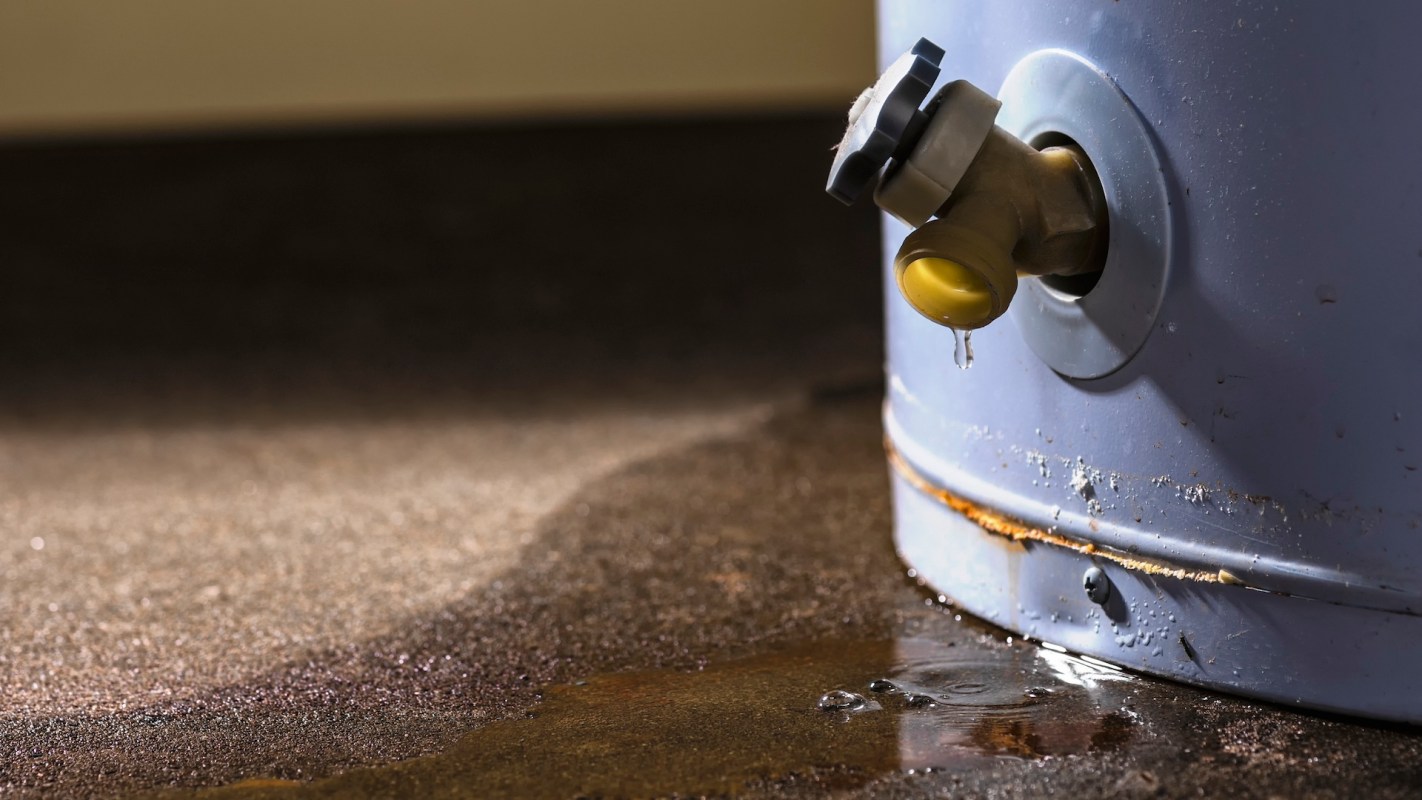
A first-time homeowner experienced a panic-inducing situation, and with professional help days away, they didn't know what to do. But waiting was not an option.
What happened?
The homeowner turned to Reddit after discovering what looked like a crack in an electric water heater that appeared to have been leaking for some time. On top of that, a damaged drain pan made the situation worse.
They were worried the damage might extend beyond what was immediately visible. They added that "there's already mold in the walls around the heater." They were also concerned that moisture may have spread behind the tank and into nearby materials.
"The plumber can't come until Monday," they added.
One response from the comments was especially helpful: "Shut off valve above water heater cold side. Drain water heater. Dry what you can. If its finished walls youll maybe have to cut drywall 2 ft up and put fans on it. Turn off water heater breaker first."
Another commenter said they were "probably due for a new water heater."
If replacement ends up being the option, there may be a silver lining. Upgrading from a standard electric water heater to a heat pump model can significantly cut water-heating costs.
Why does it matter?
When an electric water heater starts leaking from the tank itself, it often means the unit is nearing the end of its life. Even a small crack can keep getting worse, and standing water around an electric appliance can create additional safety concerns.
Save $10,000 on solar panels without even sharing your phone number Want to go solar but not sure who to trust? EnergySage has your back with free and transparent quotes from fully vetted providers in your area. To get started, just answer a few questions about your home — no phone number required. Within a day or two, EnergySage will email you the best options for your needs, and their expert advisers can help you compare quotes and pick a winner. Solar panels can save you more than $50k over their 25-year lifespan, and EnergySage can help you save as much as $10k on installation. Which begs the question — isn't that worth an email or two? |

If drywall, trim, or insulation stays damp long enough, cleanup can become more complicated than simply drying the floor. That can mean added repair costs, especially if damaged materials need to be removed and replaced.
Replacement decisions can affect monthly bills for years. Water heating is one of the biggest energy uses in many homes, so choosing a more efficient model after a failure can help soften the financial blow.
What can I do?
If a water heater is actively leaking, the first priority is usually to limit the damage until a professional can arrive. Homeowners can often reduce the immediate risk by shutting off the water supply to the heater, turning off power at the breaker if it is safe to do so, and removing standing water with towels, a wet vacuum, or a mop.
Running fans or a dehumidifier can also help dry the area and slow further mold growth. It is also smart to document the damage, especially if walls, flooring, or trim are affected. If the mold seems widespread or the wall cavity is wet, that may require more than a surface wipe-down.
For homeowners who do need a new unit, Cala is one company worth researching. Its customizable smart heat pump water heaters help homeowners decrease their energy bills by heating water exactly when it's needed. That means less wasted energy than a conventional electric tank that keeps reheating water whether a household needs it or not.
Targeted heating can help lower monthly bills while still delivering hot water when families need it most. Homeowners weighing their options after a breakdown may want to ask whether a smart heat pump upgrade, like the one from Cala, makes sense for their home.

Get TCD's free newsletters for easy tips, smart advice, and a chance to earn $5,000 toward home upgrades. To see more stories like this one, change your Google preferences here.






