


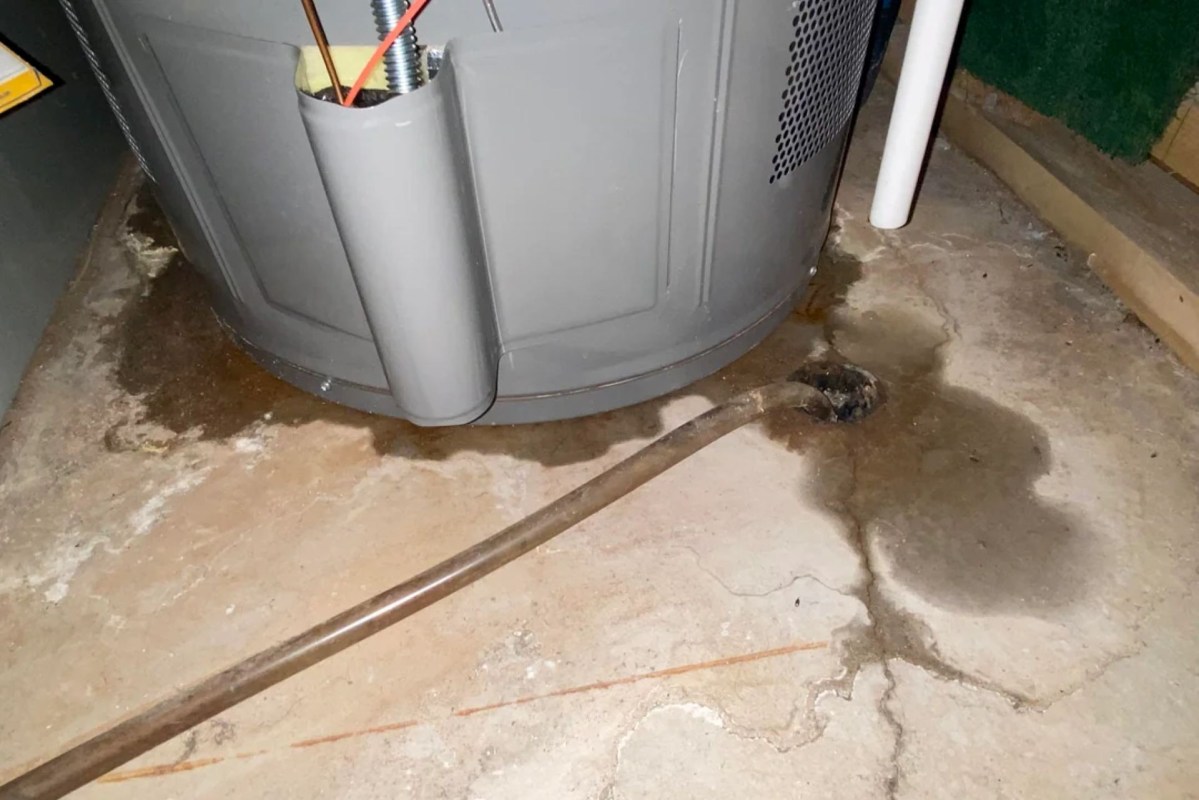
A homeowner with a leaking 40-gallon water heater and a hunch that it means something bigger went to Reddit for help.
The question at hand: whether intermittent dripping is routine or a warning that pressure is building inside the system.
The OP is not alone; for many households, that question can quickly turn into a financial worry. If a tank is aging or running inefficiently, a replacement may be needed.
What happened?
Photos posted by a homeowner on Reddit showed water beneath a 40-gallon tank.
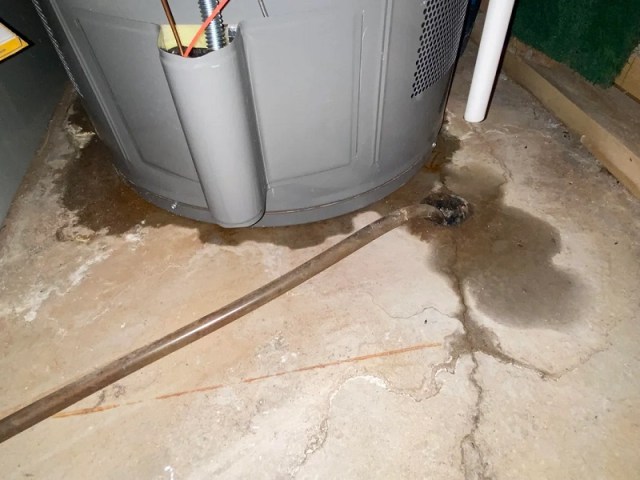
The original poster wrote, "Water leaks from the white pipe/valve at random times but I noticed it happening more often when I use anything with the hot water."
The homeowner also said the photos were "of different times it's leaked, not same days or times" and added, "Sometimes it drips multiple times a day."
Replies focused on pressure inside the plumbing system, with commenters mentioning "thermal expansion," "a failing expansion tank," and "high water pressure tripping the T&P relief valve" as possible explanations.
The obvious hope was that the drip was harmless condensation or ordinary overflow, but the commenters seemed to agree it was more likely an indication that the system is failing under pressure.
Save $10,000 on solar panels without even sharing your phone number Want to go solar but not sure who to trust? EnergySage has your back with free and transparent quotes from fully vetted providers in your area. To get started, just answer a few questions about your home — no phone number required. Within a day or two, EnergySage will email you the best options for your needs, and their expert advisers can help you compare quotes and pick a winner. Solar panels can save you more than $50k over their 25-year lifespan, and EnergySage can help you save as much as $10k on installation. Which begs the question — isn't that worth an email or two? |

Why does it matter?
A relief valve is designed as a safety feature, but repeated leaking from that area is usually something that deserves attention.
If pressure is building too often, the valve, the expansion tank, or the home's water-pressure setup may not be working as intended.
Even a minor leak can waste water, stain floors, and slowly damage nearby walls or other materials. If the issue is ignored, homeowners could end up facing a larger repair bill than expected.
It can also affect energy costs. A water heater that is leaking, over-pressurizing, or nearing failure may not operate efficiently, meaning households could be paying more to heat the same amount of water.
A random drip that happens more often during hot-water use may be a sign that the system needs inspection.
What can I do?
If a water heater is leaking from a relief valve or discharge pipe, homeowners should avoid trying to block or cap it.
Checking the expansion tank, testing household water pressure, and having the temperature-and-pressure valve inspected are good next steps.
A licensed plumber can help determine whether the problem is a bad valve, excessive pressure, or a failing tank. In some cases, the fix may be small. In others, especially with an older unit, replacement may make more financial sense.
That is where newer systems can stand out. Cala makes heat pump water heaters that help homeowners lower their energy bills with systems that are designed to reduce wasted energy while still keeping hot water available for showers, laundry, and dishes.
For homeowners already facing a repair decision, that combination can make an upgrade more appealing.
Before replacing a struggling tank with another conventional model, homeowners may want to compare options like Cala.

Get TCD's free newsletters for easy tips, smart advice, and a chance to earn $5,000 toward home upgrades. To see more stories like this one, change your Google preferences here.






