


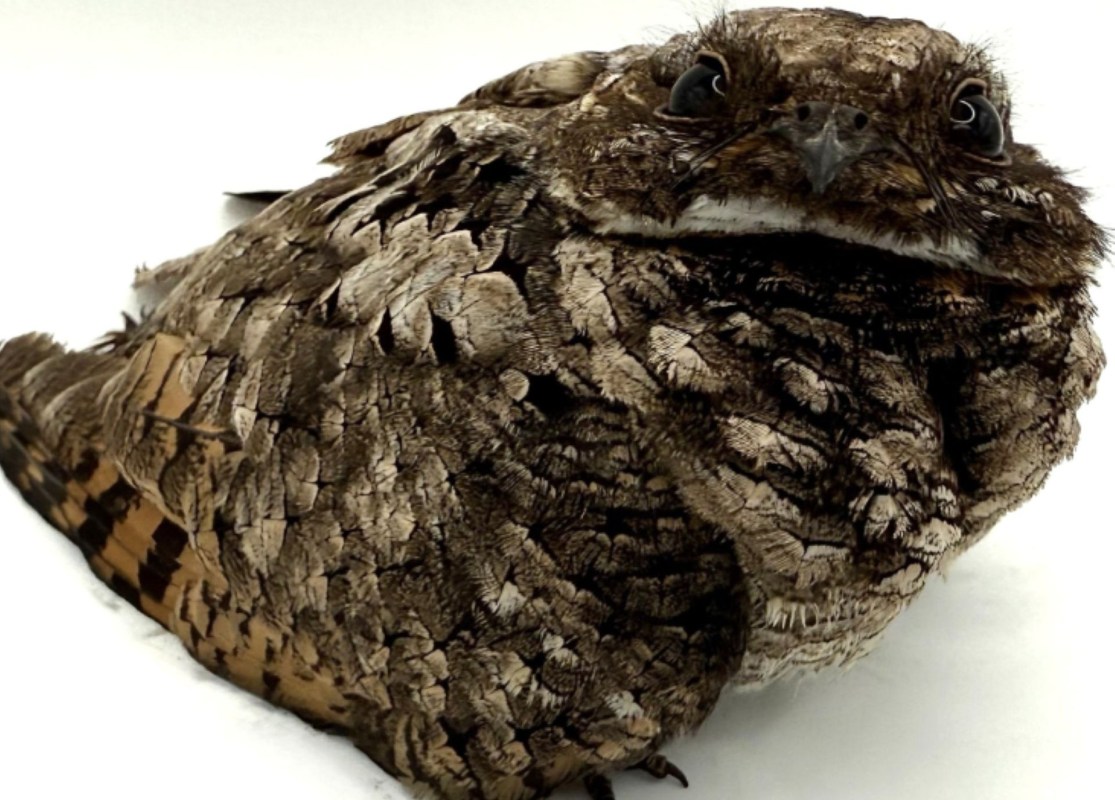
A minor tweak can make a window legible to birds instead of leaving the glass as a hidden threat. As fall migration gets closer, an Instagram post from Wildcare Oklahoma (@wildcareoklahoma) is spotlighting Oklahoma State University research on one practical option: feather-friendly dots.
What's happening?
On in a recent Instagram post, Wildcare Oklahoma urged people to prepare their windows for migration season and cited Oklahoma State University research showing that bird-safe dot patterns on glass can significantly cut collisions.
During fall migration, birds move through neighborhoods, campuses, and downtown areas where reflective or transparent glass can look like open sky or habitat. That can lead to collisions at homes, offices, and other buildings.
Instead of calling for costly retrofits, the post highlights a more accessible step: making windows more visible to birds by applying patterned markers to the glass.
Why does it matter?
Bird-window collisions happen at houses, apartments, schools, and workplaces.
Finding an injured bird outside a window can be upsetting, and it can leave animal rescuers and rehabilitation groups handling preventable emergencies during already busy migration periods.
TCD Picks » Quince Spotlight
💡These best-sellers from Quince deliver affordable, sustainable luxury for all




Migratory birds play important roles in ecosystems, and reducing avoidable deaths helps support healthier local environments. When communities make buildings safer, they also help wildlife keep moving through shared spaces. As many as 1 billion birds die each year because of collisions with buildings.
What can I do?
Make glass easier for birds to detect. Feather-friendly dots and similar window markers are designed to break up reflections and transparency so birds recognize the surface as a barrier instead of trying to fly through it.
People do not necessarily need to replace entire windows to help. Applying a bird-safe pattern to existing glass can be a more manageable upgrade, especially on large panes, highly reflective windows, or areas near vegetation where birds are more likely to approach.
This can also work as a community-level solution. Residents can ask landlords, property managers, schools, and office buildings to consider bird-safe treatments ahead of migration season. Shared buildings can protect far more birds than a single household acting alone.
As Wildcare Oklahoma said, "One simple change to your windows could save a bird's life!"

Get TCD's free newsletters for easy tips, smart advice, and a chance to earn $5,000 toward home upgrades. To see more stories like this one, change your Google preferences here.






