


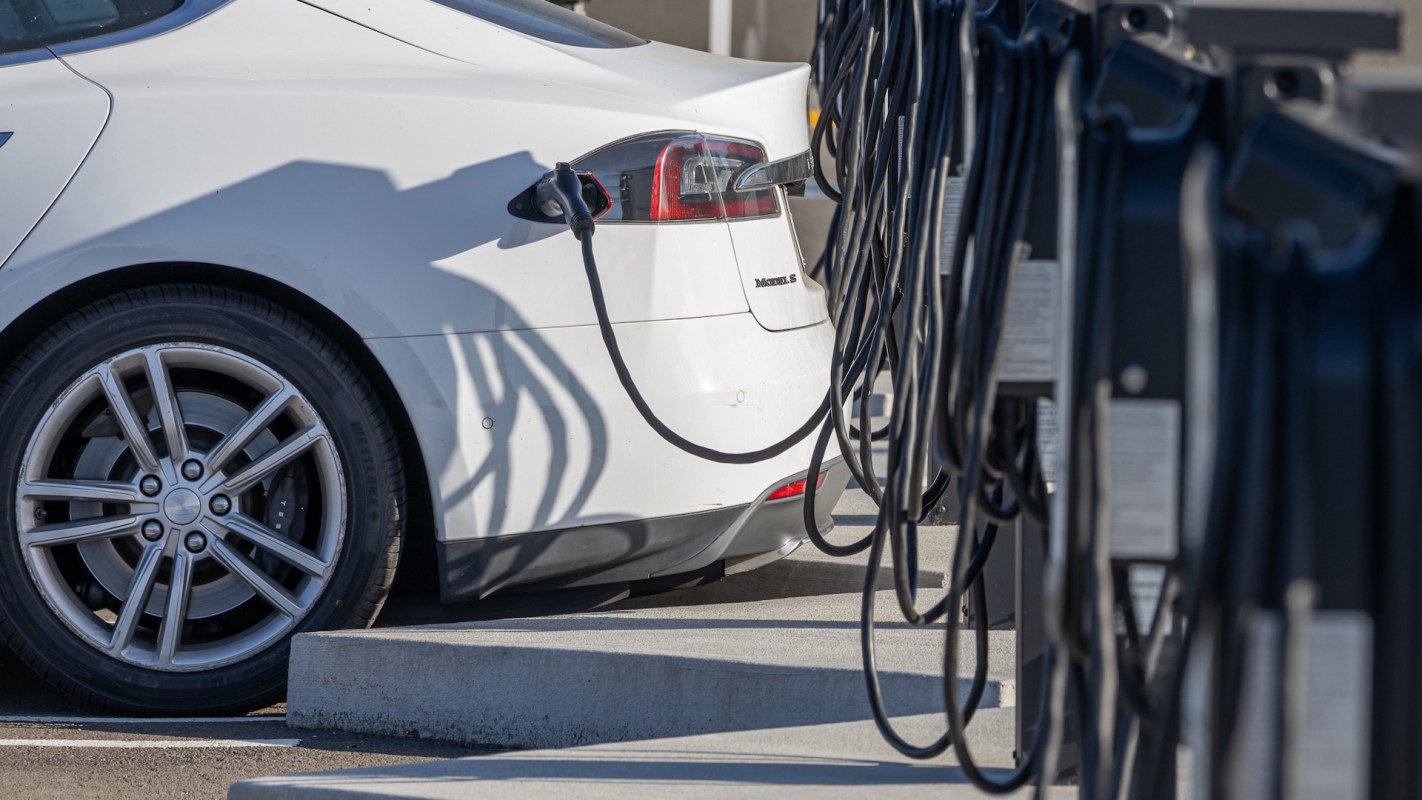
For many drivers, the appeal of electric vehicles is fairly straightforward: quieter rides, less maintenance, and lower fueling costs. But one Reddit discussion from Alabama shows how a frustrating charger layout can make that transition feel far more difficult than it needs to be.
What's happening?
That complaint surfaced in a Reddit thread from a user who said they were in Huntsville, where many public chargers do not resemble the simple pull-up format of a gas station. They asked why more sites do not offer islands, overhead cover, and enough space to connect without wrestling with the cable.
The weather issue and cable weight were central to the poster's frustration. They wrote that they had "watched smaller people struggle like hell to get their cars plugged in" and later added, "I watched way too many people have to wrestle the cable around the side of their car to get it plugged in."
Several replies argued that the stripped-down design is largely a budget choice.
As one commenter said, "More and more are…the ones you're seeing are built to be cheap and easy to install."
Another welcomed that tradeoff: "Which is honestly what I want. Lowest overhead and lowest elec cost."
TCD Picks » Quince Spotlight
💡These best-sellers from Quince deliver affordable, sustainable luxury for all




Why does it matter?
Charging design can play a major role in whether EV ownership feels convenient or exhausting. Having to stretch cables around vehicles, stand outside in poor weather, or navigate multiple apps just to begin charging adds friction.
It also has affordability implications.
One commenter summed up the economics: "Yeah...Typical 10-pump gas station is ~$5M. 10-bay Tesla supercharger: ~$1M."
Lower-cost installations can help expand charging networks more quickly, but the tradeoff may be a less comfortable and less accessible experience for drivers.
What's being done?
Some responses suggested the situation is starting to change.
People in the thread pointed to newer Tesla and Electrify America sites with taller hardware, longer cords, and, at some locations, solar canopies.
Others cited Pilot/FlyingJ, which commenters said has been rolling out more canopied pull-through setups that feel closer to traditional gas stations.
IONNA came up as well. According to commenters, its stations are also moving toward covered layouts, though many still stop short of full pull-through designs. Improvements like those could make public charging easier for drivers of larger vehicles, older drivers, and anyone trying to plug in during bad weather.
As charging standards continue to improve, the overall experience may begin to feel much less improvised.

Get TCD's free newsletters for easy tips, smart advice, and a chance to earn $5,000 toward home upgrades. To see more stories like this one, change your Google preferences here.






