


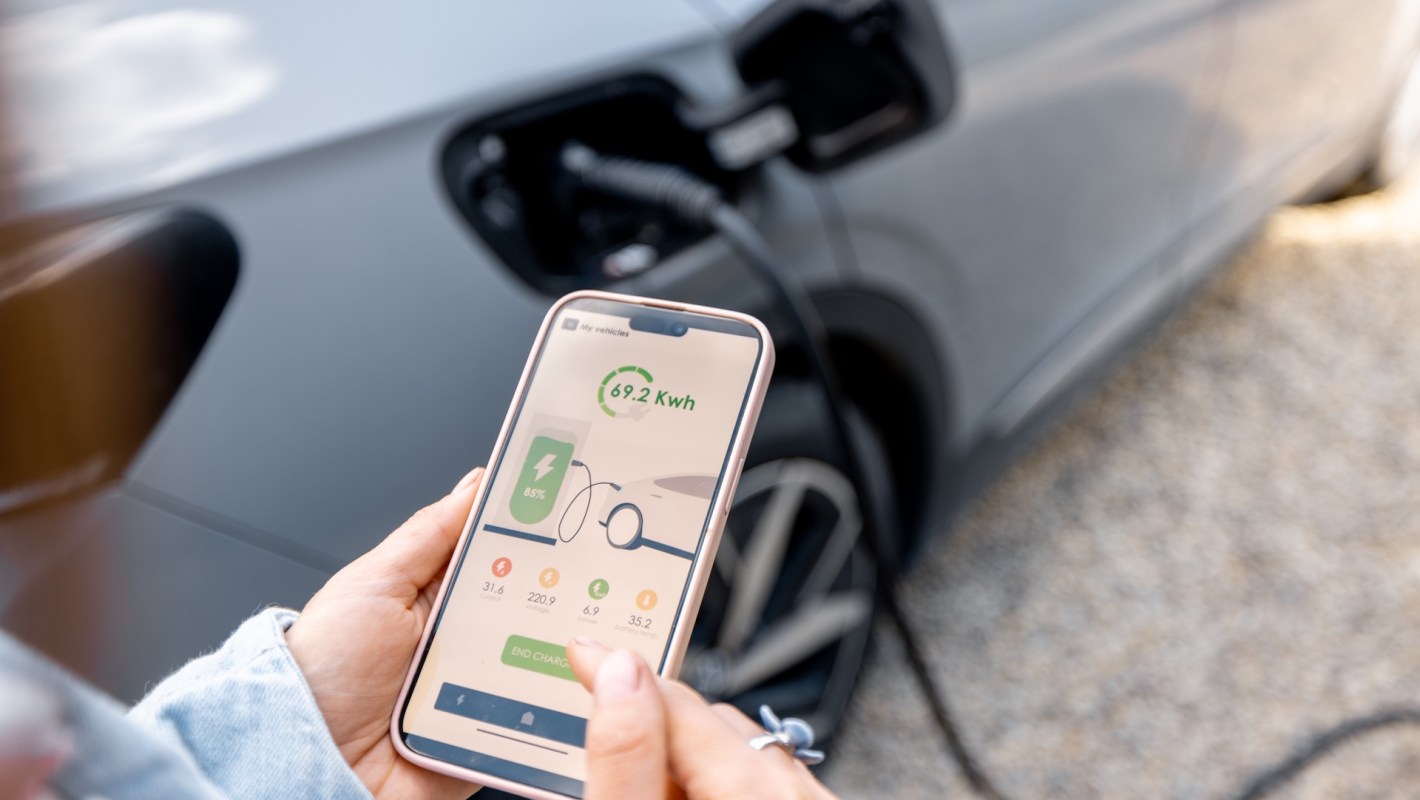
A Georgia electric vehicle owner initially thought the state's annual registration surcharge amounted to an obvious penalty compared with what a similar gas-powered SUV would pay in fuel taxes over the course of a year.
What's happening?
In a post on Reddit, a Georgia driver questioned whether the state's EV fee was too steep. The original poster opened up by saying their "tax penalty for driving an EV is $105.39 this year."
Assuming 10,000 miles of driving, the poster figured a 25-mile-per-gallon SUV would use about 400 gallons of gas over a year. They said their EX30 weighs 4,156 pounds, putting it close to a BMW X3 xDrive30i.
The EV bill came to $238.59, while the comparable BMW worked out to $133.20 in fuel taxes when the calculation used only Georgia's state gas tax.
"Of course one can argue that I spent way less on electricity than the BMW driver did on gas," the original poster wrote. "This is true, but we are all using the same roads. We should have equivalent taxation."
The math changed after commenters said the estimate omitted federal fuel taxes and local sales taxes. Once those were added, the OP updated the thread.
TCD Picks » Quince Spotlight
💡These best-sellers from Quince deliver affordable, sustainable luxury for all




"This completely changes the math in my example, making it a wash," they concluded.
Why does it matter?
The exchange raised a broader question that is coming up more often as EV adoption grows, which is what is the fairest way for drivers to help pay for roads?
Gas taxes are built into every trip to the pump, so many drivers may not think much about them. EV fees, by contrast, usually appear as a flat charge, which can feel more noticeable even when the total annual cost is similar.
A comparison can easily overestimate or underestimate the savings if it focuses on only one charge, one tax, or one state rule.
The Reddit thread also showed that Georgia is hardly the only state with this kind of fee. Commenters pointed to similar charges elsewhere, with many displeased by them.
"Illinois used to have discounted registration," a poster wrote, showing it was more than a red and blue state issue. "Now they charge an extra $100."
"It's almost like the petroleum industry bought our gerrymandered government representatives," a commenter wrote knowingly.
What can I do?
A full annual cost comparison includes checking your state's EV surcharge, your local electricity rate, your expected yearly mileage, and the taxes a comparable gas-powered vehicle would actually pay, rather than just the posted price at the pump. Factoring in federal, state, and local taxes can meaningfully change the outcome.
State rules also classify vehicle types differently. Some states charge EVs more than hybrids, while others have separate rules for plug-in hybrids or alternative-fuel vehicles.
In this case, one missing part of the tax picture was enough to shift the argument from an apparent overcharge to near parity. Many commenters still thought the system needed reworking.
"If EV's pay a flat fee, they should just switch everyone to a flat fee and get rid of the gas tax," a commenter suggested.
"That's way too logically uncomplicated," a user quipped in response.

Get TCD's free newsletters for easy tips, smart advice, and a chance to earn $5,000 toward home upgrades. To see more stories like this one, change your Google preferences here.






