


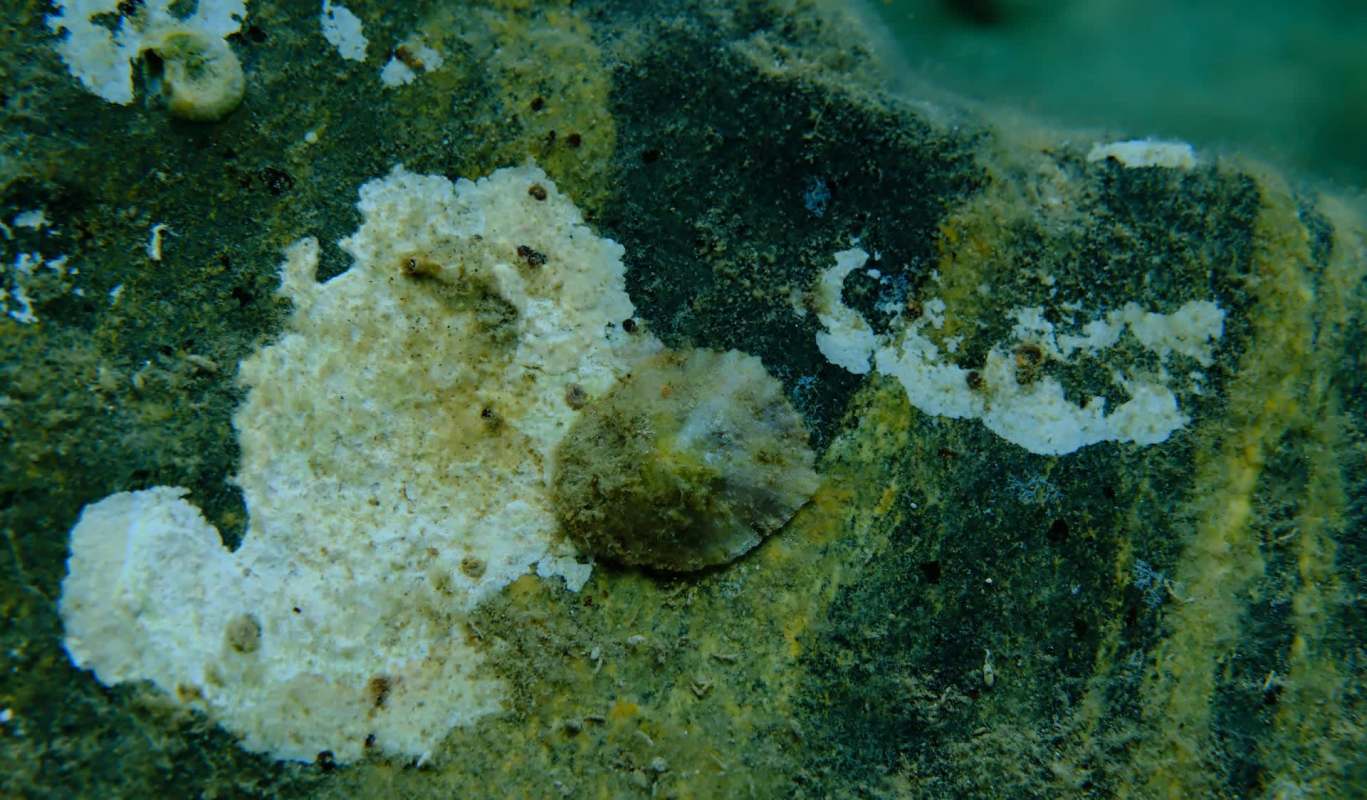
Researchers used a robot to explore about 4,265 feet (1,300 meters) below the surface in the Pacific Ocean to investigate deep-sea hydrothermal vents.
These vents are some of the most aggressive and dangerous environments on the planet. But surprisingly, amid the explosive boiling water and deep pressure, tiny creatures travel around.
What happened?
At these vents, iron-rich water, toxic fluids, and acidity reaching roughly 178 degrees Fahrenheit create an environment that seems worlds away from the bright surface ocean, Discover Wildlife reported.
One longstanding puzzle has been how surrounding creatures have managed to move between vent communities scattered across the seafloor. And this new study suggests the answer may involve a route scientists did not expect.
After collecting tiny limpet larvae — less than 1mm — the team analyzed chemical signatures that were preserved in their shells. In doing this, the researchers were able to figure out the temperature history of where each larva developed, almost like reading tree rings to see how old a tree was.
The findings showed that larvae migrate to sunlit areas during their larval stage to feed on plankton and be carried by surface currents to different regions. Afterward, they descend back down to settle at their birthplace vent or a new one.
TCD Picks » Quince Spotlight
💡These best-sellers from Quince deliver affordable, sustainable luxury for all




Why does it matter?
The study suggests that ocean surface conditions play a major role in sustaining the deepest sea vent ecosystems.
A dependence on upper-ocean waters would mean vent species are not as isolated as they look. Changes near the surface — including pollution, warmer water, and altered currents — could therefore influence animals living nearly a mile down.
It also reinforces the idea that the deep ocean does not operate in complete isolation. Surface conditions can shape distant communities far below, many of which scientists are still trying to understand.
What's being done?
The findings suggest that deep-sea protection may have to extend beyond the seabed itself. Measures aimed only at vent sites could overlook a crucial phase in an animal's development. Discoveries like this depend on expensive exploration tools and long-term monitoring.
The more scientists understand these hidden connections, the better chance communities will have to preserve ocean systems that support food security, climate stability, and future discoveries.

Get TCD's free newsletters for easy tips, smart advice, and a chance to earn $5,000 toward home upgrades. To see more stories like this one, change your Google preferences here.






