


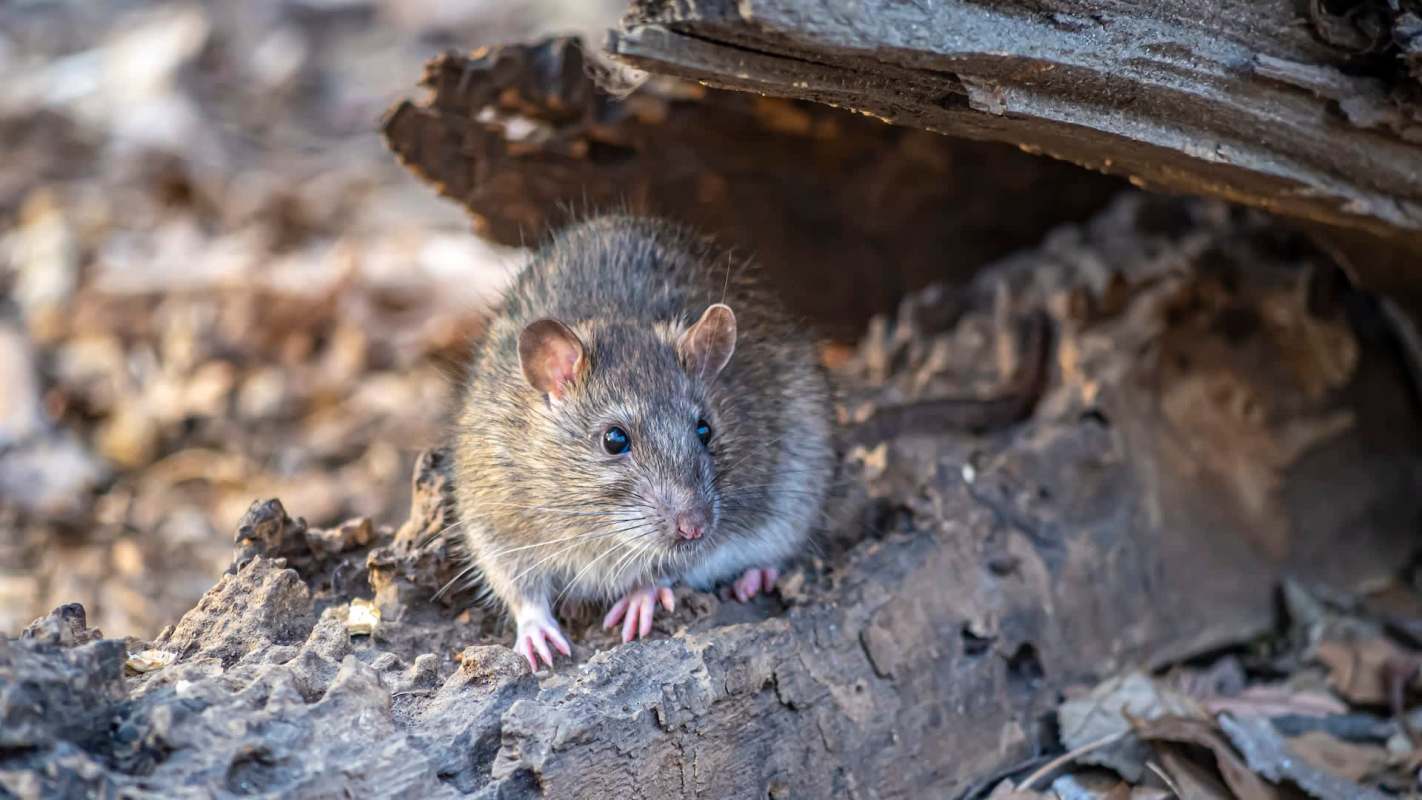
On tropical islands, invasive rats are causing quite a major problem.
Reefs surrounding rat-free islands are thriving with this tiny "cryptobenthic" fish species. But when rats are in the picture, there's a much higher proportion of small invertebrates rather than the tiny fish.
What's happening?
Scientists from Lancaster University and the University of Texas examined reef cryptofauna — tiny fish and invertebrates that live in and around coral near the seafloor, according to a recently published study in Ecology magazine.
In the Chagos Archipelago — 60 islands in the Indian Ocean — the team compared reefs beside rat-free islands with reefs next to islands infested by invasive rats and found major differences between them, according to their study.
Where rats were present, small invertebrates made up a much larger share of the reef community. By contrast, on rat-free islands, tiny "cryptobenthic" fish such as gobies and triplefins dominated, with biomass more than five times that of small invertebrates.
That pattern appears to begin with seabirds. Invasive rats reduce their numbers by eating eggs, chicks, and sometimes adult birds, the study found. On islands without rats, seabird densities are 760 times higher, and their guano supplies nearby reefs with nutrients.
TCD Picks » Quince Spotlight
💡These best-sellers from Quince deliver affordable, sustainable luxury for all




Why does it matter?
Those nearly invisible reef animals help keep larger marine food webs running. When their balance shifts, the effects can ripple upward to bigger fish and the reef ecosystem as a whole.
Here, rats on land interrupt that nutrient cycle, and the break changes what can survive below the surface. Coral reefs help support food systems, local livelihoods, and natural coastal resilience, so weakening reef food webs can leave already stressed ecosystems less able to recover.
Protecting birds on islands can shape what happens beneath the waves, even among the smallest animals most people never see.
What's being done?
Protecting seabirds and restoring islands by removing invasive rats can help restore the natural nutrient flow that nearby reefs depend on, researchers found.
Invasive-species control can have benefits far beyond the shoreline. Removing rats and preventing new invasions could help seabird colonies recover, which in turn may strengthen reef food webs.
Studies like this also give conservation planners better information about what to prioritize. Rather than looking at reef health in isolation, managers can account for the links between island wildlife, nutrient cycles, and underwater biodiversity.

Get TCD's free newsletters for easy tips, smart advice, and a chance to earn $5,000 toward home upgrades. To see more stories like this one, change your Google preferences here.






