


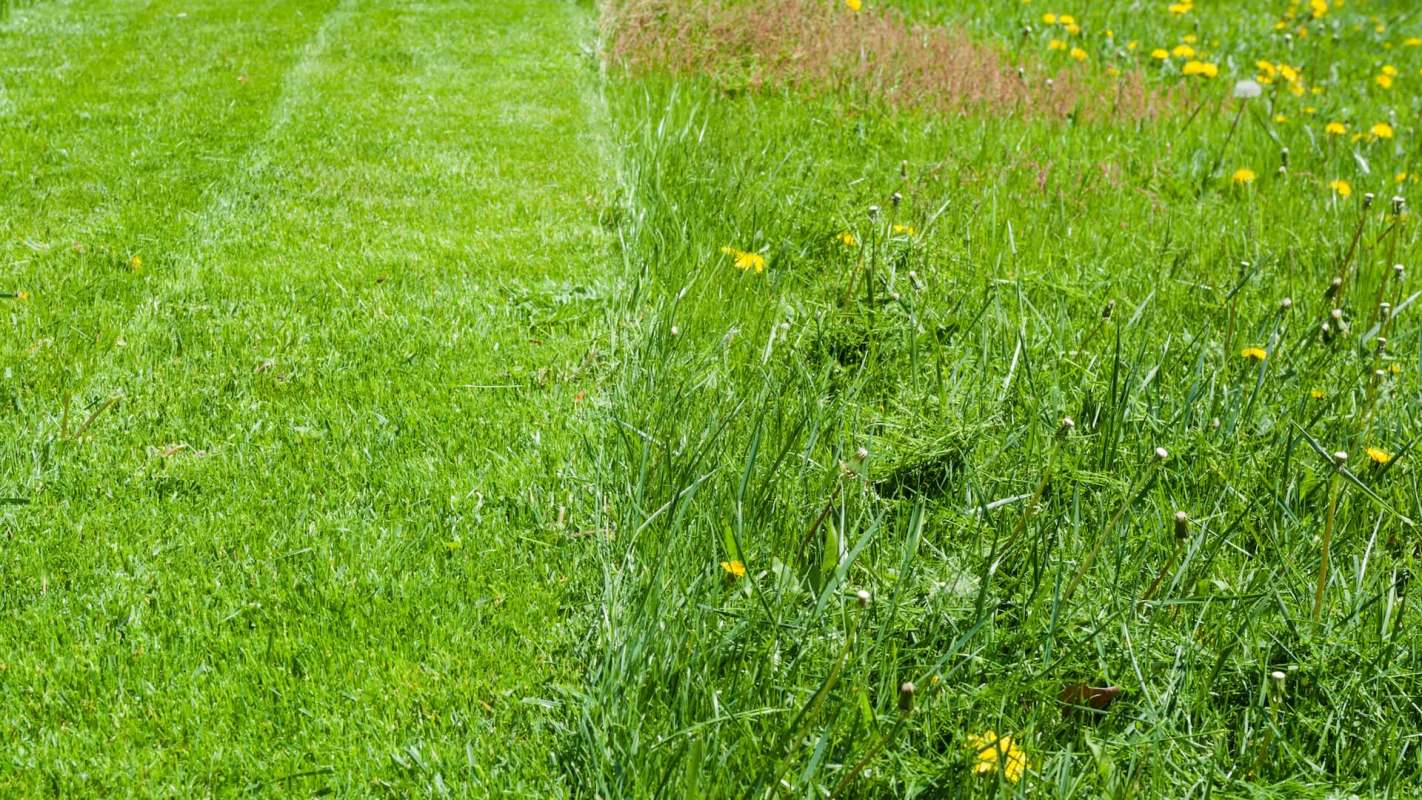
Over two years, one homeowner's decision to stop mowing their lawn shifted from the butt of the neighborhood joke to a yard inspiration for the rest of the block.
What happened?
A writer for the Lovely Garden Roots blog explained that she started replacing sections of a conventional lawn with native plants, wildflowers, and ground cover two years ago. Her plan was to use less water, mow less often, and build a yard that could support pollinators and other local wildlife.
Not everyone liked the change at first.
The homeowner said some neighbors called the yard "unfinished." Others said they were "letting the neighborhood decline." A neighbor named Greg also joked that the homeowner was growing "weeds instead of flowers."
By the second year, the results were much harder to dismiss.
Outside of extreme dry spells, the yard reportedly needed very little watering. By then, the native plants had filled in, and butterflies and bees had arrived. At the same time, Greg's carefully maintained lawn began turning brown as water costs and upkeep challenges became harder to ignore.
TCD Picks » Quince Spotlight
💡These best-sellers from Quince deliver affordable, sustainable luxury for all




That contrast led Greg to ask how to change part of his own property. They began with a section near his backyard fence, chose plants suited to the space, and Greg later spotted a butterfly species that was new to his yard.
Why does it matter?
This story points to a choice more homeowners are considering as hotter weather, drought concerns, and rising utility bills make traditional lawns more expensive to maintain.
A grass-heavy yard often requires frequent mowing, watering, fertilizing, and weed control, all of which can add up in time and money.
Native-plant landscaping can offer a lower-maintenance alternative that reduces water use, supports bees and butterflies, and trims the weekly chore list. Even replacing only part of a lawn can make a noticeable difference, especially for households that are not ready to remove all their turf at once.
Other options may help as well, depending on climate and yard conditions. Clover, buffalo grass, and xeriscaping can all lower maintenance needs and reduce watering compared with a conventional lawn.
The benefits are not only financial. In neighborhoods where pollinators often struggle to find food and shelter, these changes can also create healthier habitat.
What can I do?
For homeowners interested in making a similar switch, starting small is often the easiest approach.
Replacing one trouble spot, parkway strip, backyard border, or dry corner with native plants can help test what works without committing to a full makeover. Choosing plants suited to your region is important, since natives are typically better adapted to local rainfall and soil conditions.
If you want more ideas, check out the TCD Guide's page on rewilding your yard and its page on upgrading to a natural lawn.

Get TCD's free newsletters for easy tips, smart advice, and a chance to earn $5,000 toward home upgrades. To see more stories like this one, change your Google preferences here.






