


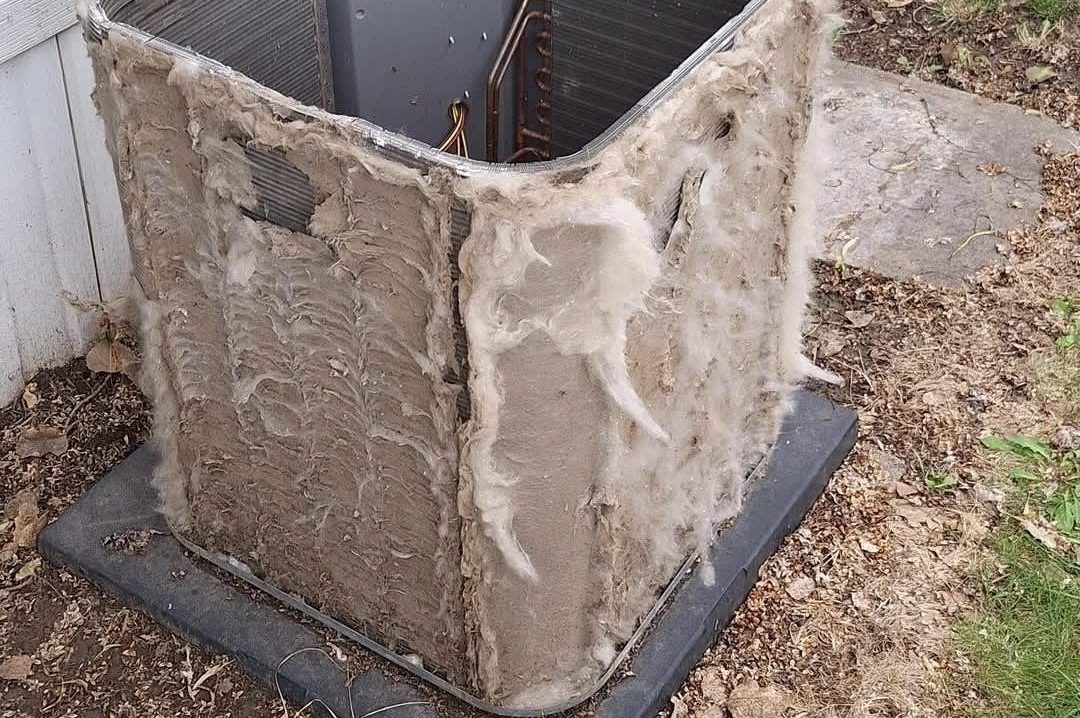
A homeowner battling cottonwood fluff near their air-conditioning unit turned to Reddit.
What's happening?
In a post on Reddit, the original poster explained, "I bought this place the winter before this pic so this is the old owners mess."
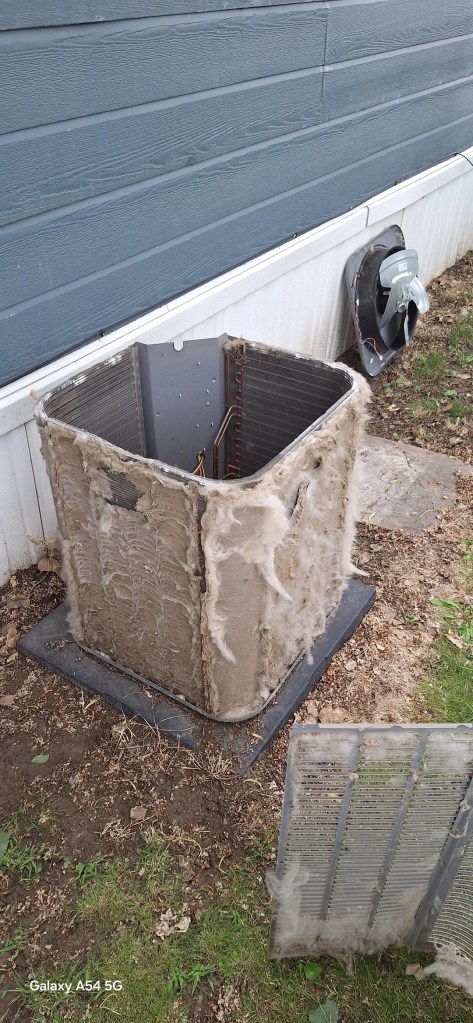
The OP lives near several cottonwood trees and is dealing with a heavy seasonal buildup of seed fluff on their outdoor air-conditioning unit.
The material is collecting so densely on the condenser that it is entirely covered.
"When the cotton flys its winter time all over again but in the summer," they wrote, describing the way the material falls like snow and builds up on the outdoor AC unit.
For now, the issue is not being addressed directly because the AC has already been shut off for the summer due to low refrigerant. The OP said they have been relying on a portable unit through the hot season.
TCD Picks » Quince Spotlight
💡These best-sellers from Quince deliver affordable, sustainable luxury for all




They also asked whether there is some kind of cover or "pre filter" that could be used, or if the only real fix is "taking it apart and hosing it down."
Why does it matter?
When debris coats an outdoor AC condenser, airflow can drop, and the system may have to work harder to cool a home. That can result in a weaker performance and higher electricity use.
A unit struggling to function can drive up summer utility bills, and neglected buildup may also contribute to maintenance problems later on. Improving airflow can help an AC run more efficiently and may reduce the likelihood of bigger repair bills.
What can I do?
The safest first step is regular visual inspection of the outdoor condenser. If debris is collecting on the outside fins, gentle cleaning with the power off can help keep airflow open. Keeping the area around the unit trimmed and clear can also give loose material fewer places to collect.
If the system already has another issue, like how the OP said the AC was also "low on freon", a professional service visit is likely the better move before the next cooling season. Addressing both the refrigerant problem and the debris issue at once could help avoid wasted energy and prevent paying for repeated stopgap fixes.
And even if you don't have any issues with your appliances now, simple preventive care can be one of the most useful home energy hacks available.

Get TCD's free newsletters for easy tips, smart advice, and a chance to earn $5,000 toward home upgrades. To see more stories like this one, change your Google preferences here.






