


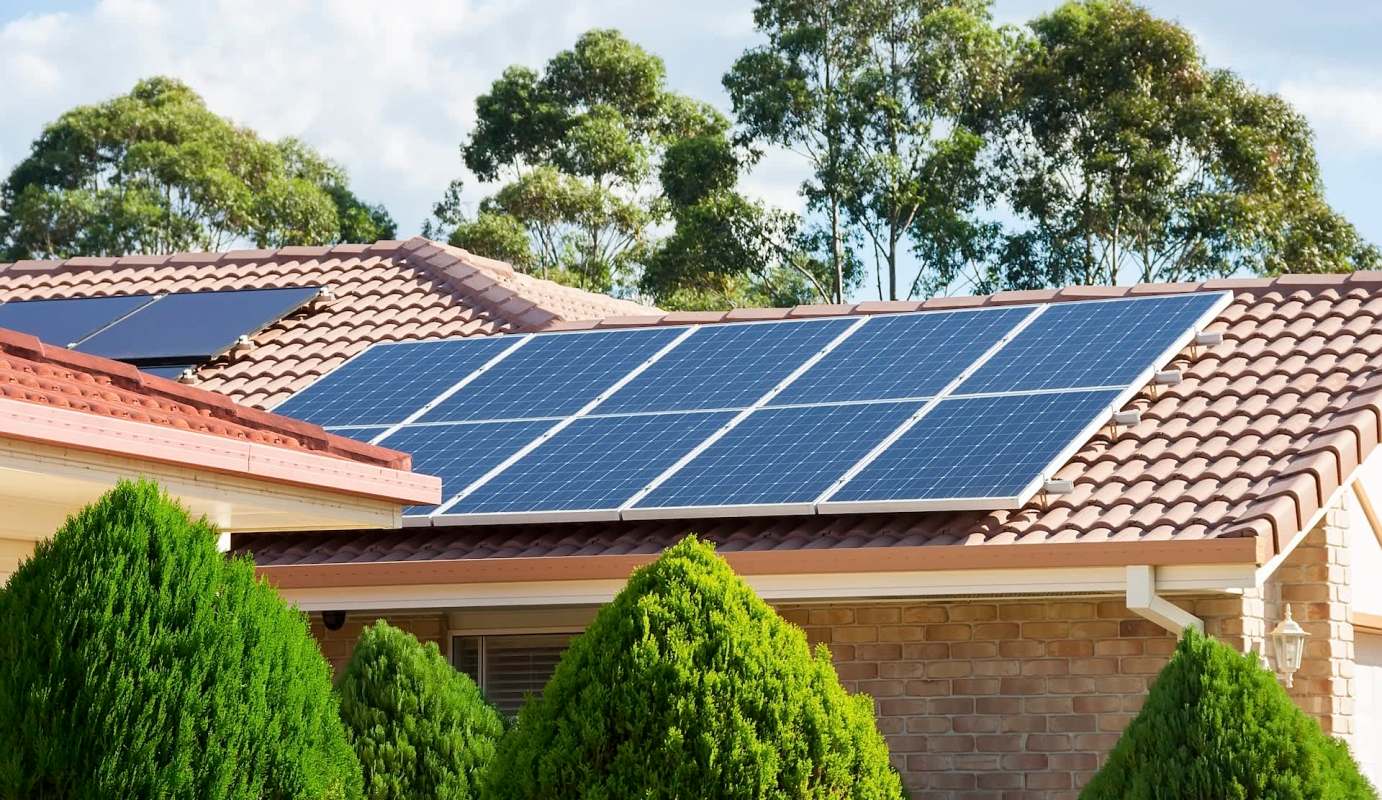
For many homeowners, rooftop solar has long been a great way to lower electric bills while cutting planet-warming pollution.
However, across much of the United States, states are reducing how much homeowners are paid for sending extra solar power back to the grid.
What's happening?
Over the last decade, more than a third of states have revised their solar rules, according to Business Report.
Many of those changes move away from traditional net metering, a policy that had helped make rooftop solar more attractive.
As The New York Times noted, under net metering, homeowners typically earn credits for extra power from their panels at rates close to the retail price of electricity. In newer net billing systems, that exported energy is often compensated at a much lower rate, reducing the savings households can get.
Louisiana offers one example of how that shift can hit households especially hard. The state's relatively cheap electricity already makes rooftop solar less lucrative than in higher-cost places. Scrapping net metering reduces that benefit even further.
TCD Picks » Quince Spotlight
💡These best-sellers from Quince deliver affordable, sustainable luxury for all




Other states have taken different approaches. California made a steep reduction to solar credits in 2023, while Illinois phased in the shift over a longer period to soften the transition and give the industry more time to adjust.
Why does it matter?
When states lower compensation, it takes longer for homeowners to recoup the upfront cost of installing panels.
The impact also goes beyond individual budgets. Rooftop solar can expand local clean power supplies and ease pressure on the grid during high-demand stretches, especially in summer heat. When states make solar less financially rewarding, adoption can slow at a time when communities need cheaper, cleaner, and more resilient energy options.
Utilities have argued that the changes are necessary because solar households still rely on the broader grid, and some of those system costs can otherwise be shifted onto people without panels. Solar advocates, however, have said distributed energy can provide public benefits, including lower pollution and extra support during peak demand.
Business Report noted that this pressure has grown at the same time the federal residential solar tax credit expired, creating another obstacle as states lower compensation for excess power.
What's being done?
One major response has been the growing use of battery storage. Rather than exporting surplus daytime electricity at weaker rates, homeowners can store that power in a battery and use it later, such as in the evening when demand is higher.
That strategy can improve the overall value of a rooftop solar system, but batteries are still expensive. Losing federal incentives for home battery systems has made them harder for many households to afford, limiting how quickly this workaround can expand.
Illinois' longer transition shows that compensation rules can be changed without jolting homeowners and installers all at once. More gradual timelines can give families, workers, and solar companies time to prepare.
Compensation rates, battery options, and electricity prices can all shape the payoff. As states continue reworking solar policy, those factors will help determine who can take part in the clean energy transition and who may be left behind.
As more states revisit solar credits, the stakes extend well beyond home upgrades. They affect monthly utility bills, local jobs, grid reliability, and whether cleaner energy becomes more accessible for everyday people — or harder to justify.

Get TCD's free newsletters for easy tips, smart advice, and a chance to earn $5,000 toward home upgrades. To see more stories like this one, change your Google preferences here.






