


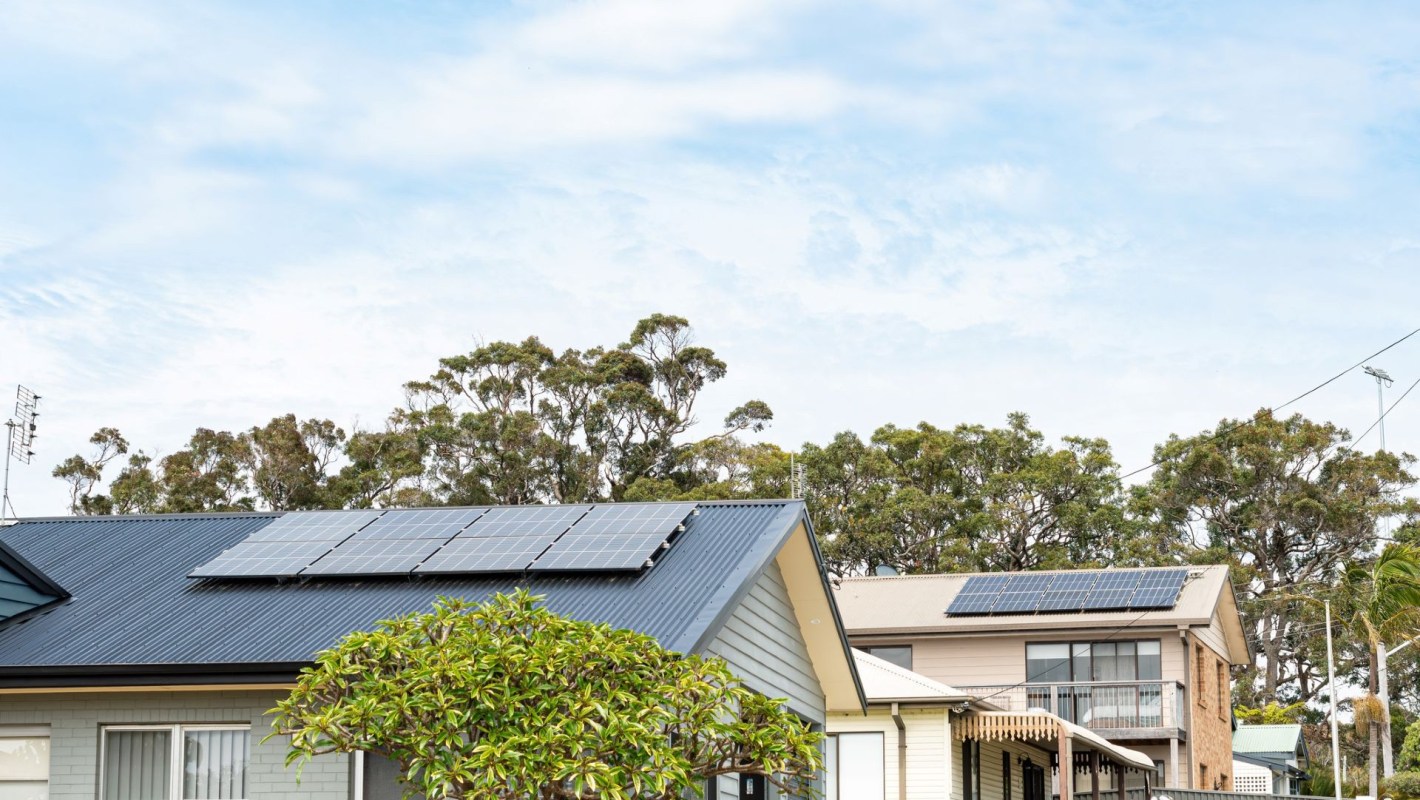
Nearly two years after Hurricane Helene left Asheville, North Carolina, without reliable power and water, residents of one neighborhood are creating a solar backup system aimed at keeping essential services available during the next outage.
What's happening?
In Emma, a mostly immigrant neighborhood northwest of downtown Asheville, residents have marked the completion of a 46-kilowatt rooftop solar installation on the La Esperanza-owned community and cultural center, according to Canary Media.
The building is used for celebrations, workshops, and other community support efforts, and the new system's more than 100 panels are expected to lower the group's electricity costs.
Interest in the project grew after Helene, when mobile solar charging stations became an important part of the recovery process.
Ingrid Johnson, a project manager at Poder Emma, which supports affordable housing and fights against displacement, said, "Suddenly, there was an interest in solar where there hadn't been before."
Several partners helped make the installation happen. For example, Footprint Project donated panels, Sugar Hollow Solar completed the installation, and Invest Appalachia provided bridge financing.
Johnson added, "The reality is that solar can be for communities that are often left out."
For many homeowners, going solar is also one of the best ways to save money on home energy over time. Readers curious about pricing can use EnergySage to get quick installation estimates and compare quotes.
Save $10,000 on solar panels without even sharing your phone number Want to go solar but not sure who to trust? EnergySage has your back with free and transparent quotes from fully vetted providers that can help you save as much as $10k on installation. To get started, just answer a few questions about your home — no phone number required. Within a day or two, EnergySage will email you the best local options for your needs, and their expert advisers can help you compare quotes and pick a winner. |

Why does it matter?
The Emma project is meant to do two things at once: cut monthly power bills under normal conditions and provide backup electricity when the grid goes down.
A conventional battery backup system was too expensive, so organizers chose a solar trailer with 900 watts of solar capacity and a small battery. The trailer can help power connectivity, refrigeration, and a well pump for drinking water. Storm damage to a water main left most of Asheville without safe tap water for almost two months.
The households that stand to benefit most from lower energy bills often face some of the biggest obstacles to installing solar.
Because manufactured homes make up much of Emma's housing stock and many are not structurally suited for rooftop panels, organizers developed another approach by building custom porches to hold the solar equipment.
More From EnergySage
💡Go deep on the latest news and trends shaping the residential solar landscape

What's being done?
Clary Franko, chief operating officer at Sugar Hollow, called it "a really great pilot project to understand how we can make solar available for mobile homes."
The neighborhood is also using its solar trailer in day-to-day work, giving it a portable source of microgrid-style support that can continue operating when the broader grid fails.
Kelvin Bonilla, who manages Poder's home repair initiative, said crews use it to run drills and saws without overloading home electrical systems: "Having the trailer allows us to be more independent and more resilient."
If you're considering rooftop solar, EnergySage can help you get competitive bids from local installers. Its free services can be especially valuable given the upfront cost. With EnergySage's help, the average person can save up to $10,000 on solar purchases and installations.
EnergySage's solar map shows the average cost of a home solar panel system on a state-by-state level, along with local incentives, which together can help readers get the best price for rooftop solar panels and access available savings.
Adding battery storage to a solar setup is one of the best ways to protect your home during outages, save money on energy, and go off-grid. EnergySage also offers information about home battery storage options, including competitive installation estimates.
"The climate is going to get more extreme as years go by, unfortunately," Bonilla said. "So, being able to power the pump from the solar trailer adds that extra layer of resiliency."

Get TCD's free newsletters for easy tips, smart advice, and a chance to earn $5,000 toward home upgrades. To see more stories like this one, change your Google preferences here.






