


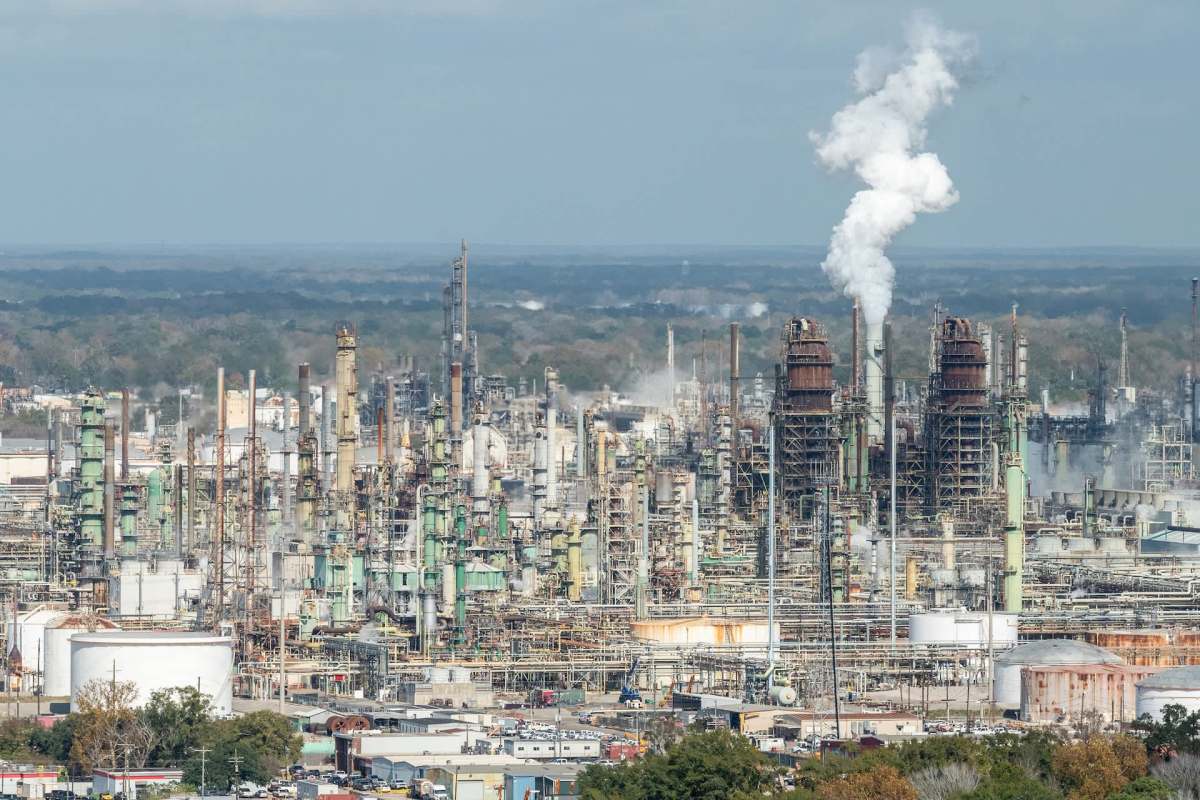
Along Louisiana's petrochemical corridor, polluted air is not an abstract environmental risk. For some families, overpowering fumes have meant taking a child and leaving home in the middle of the night.
That urgency is part of why new limits on community air sampling matter: one of the few ways residents could document nearby pollution has been narrowed.
What happened?
In St. Rose, Kimbrelle Kyereh lives near chemical storage tanks, the Guardian reported, based on an analysis with Floodlight. After years of headaches, nausea, and insomnia that she linked to oily fumes entering her home, she began collecting air samples there for a local environmental justice group.
She stopped after Louisiana enacted the industry-backed Community Air Monitoring Reliability Act in 2024.
"I shut my mouth like they wanted me to," Kyereh said.
Louisiana's public monitoring network often fails to reflect what nearby residents may be breathing, the investigation found. Ten of the state's 25 largest industrial air polluters do not have a public air monitor within five miles, while several chemicals tied to cancer risk — including ethylene oxide, chloroprene, and formaldehyde — are not monitored by the state at all.
TCD Picks » Quince Spotlight
💡These best-sellers from Quince deliver affordable, sustainable luxury for all




Peter DeCarlo, an atmospheric scientist at Johns Hopkins University who co-authored separate research on the region, said the placement of monitors is a major problem.
Why does it matter?
When pollution is not measured near homes, schools, and gardens, families can be left breathing toxic air without clear warnings, reliable data, or any path to accountability.
The article pointed to a 2023 leak and fire at Marathon's Garyville refinery, after which at least 29 nearby residents later received hospital treatment.
Wilma Subra, a Louisiana environmental chemist who examined the fire's emissions, said the state's monitoring network was "not adequate to protect the health of the community living in close proximity to these industrial facilities."
Lower-cost monitors can help identify pollution hot spots that distant government stations may miss.
And when the use of that data is restricted, residents in heavily burdened areas — many of them predominantly Black communities — have a harder time pushing for quicker intervention and stronger safeguards.
What's being done?
Researchers and community advocates have spent years urging more fenceline monitoring at major industrial sites.
Adrienne Katner, an associate professor at Louisiana State University and a former state environmental health scientist, previously found — as the Guardian reported — that about 400 high-emission facilities in Louisiana lacked public air monitoring. She described the situation as "a public health emergency waiting to occur."
Attempts to make major polluters install toxic-emissions monitors at their property lines have repeatedly fallen short. Meanwhile, other states have introduced similar bills limiting community monitoring, pointing to a broader national fight over who gets to measure pollution.
"I just have to wonder how much," said Tish Taylor, who lives less than a mile from the Denka Performance Elastomer plant, of the pollution wafting into her yard as she works in her garden.
"If large emissions from these facilities are happening far away from the air monitors, they're often going to go unnoticed," DeCarlo said. "But that doesn't mean they're not gonna have an effect on the people who live there."

Get TCD's free newsletters for easy tips, smart advice, and a chance to earn $5,000 toward home upgrades. To see more stories like this one, change your Google preferences here.






