


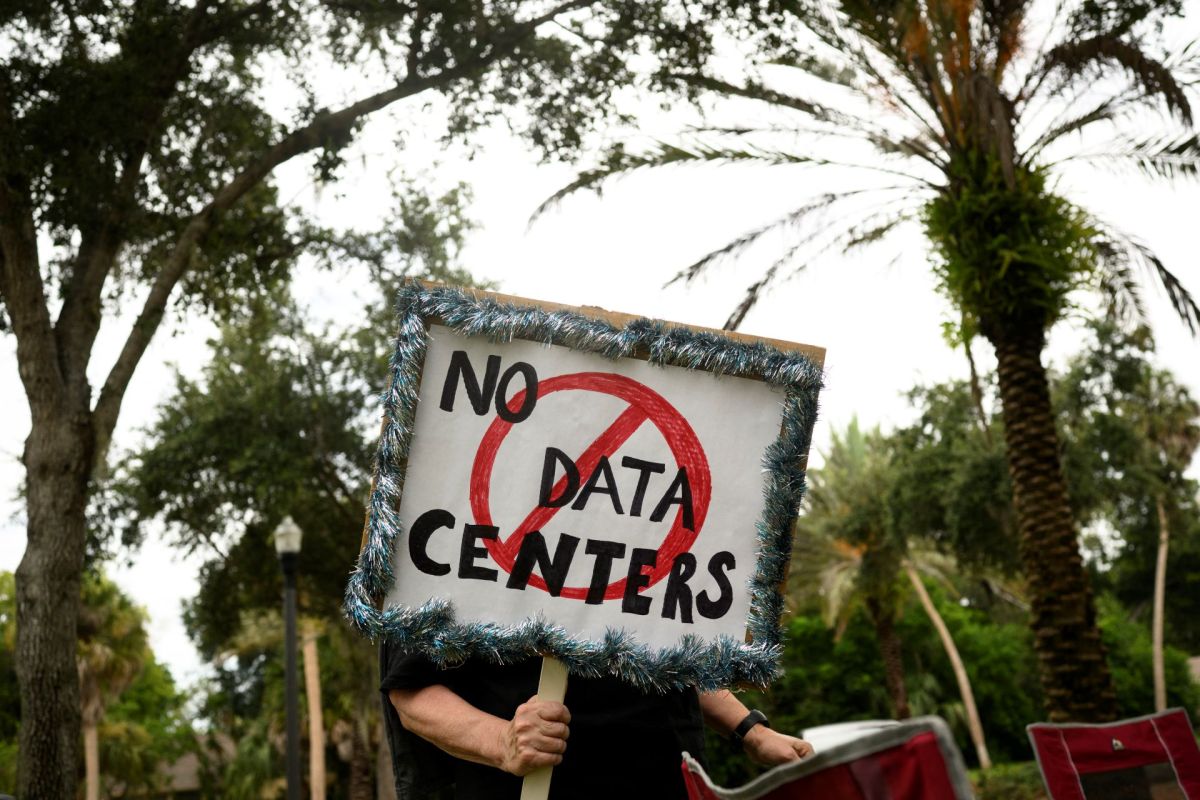
Residents packed a public hearing in El Segundo, California, to oppose a proposed AI data center, and the developer ultimately withdrew the project amid concerns over the facility's projected water and electricity use.
What happened?
According to Westside Current, the abandoned plan would have remade a Hyatt Place hotel into a five-story data facility.
The outlet reported that residents said the process moved too quickly for meaningful scrutiny: Palos Verdes real estate developer Arjun Shokeen, acting for developer Eightform, submitted the plans for the project only six days before the July 9 Planning Commission meeting.
By the time commissioners convened, overflow crowds had formed. According to the Westside Current, more than 100 people filled the chamber and hallway, more than 700 pages of public comments had been submitted online, and speakers criticized the environmental review as outdated and incomplete.
El Segundo resident Will Ready said, "My understanding is that they sort of tried to sneak this through the City Council very quickly. Maybe an opportunity came up at the last minute and they thought nobody would notice."
In defending the proposal, Shokeen said El Segundo made sense because local aerospace and defense companies already use AI tools, and he insisted it was "not the data centers in the news."
TCD Picks » Quince Spotlight
💡These best-sellers from Quince deliver affordable, sustainable luxury for all




The argument did not carry the night: after nearly two hours of criticism about water demand, energy use, noise, and limited job creation, the proposal was withdrawn.
Why does it matter?
The timing sharpened the concern. Westside Current reported that Southern California is still dealing with the effects of January's Palisades and Eaton fires as well as water main breaks in West Hollywood and Venice, and residents questioned whether local utility systems could take on another major industrial user.
AI is becoming increasingly tied to the energy grid because it requires enormous amounts of electricity, cooling, and backup power.
The same technology can also help utilities forecast demand, integrate wind and solar, and improve efficiency. But the tradeoffs remain significant: higher power and water consumption, potential strain on local infrastructure, rising utility costs, security concerns, and the misuse of powerful tools.
Opponents argued that taking on a project with major resource demands and no clear public benefit could mean higher bills, more pollution from diesel generators, and less resilience during emergencies. They also said that scarce water should go first to households and essential needs, not to cooling AI facilities.
What's being done?
The project is no longer moving forward.
Cities and regulators are facing growing pressure over where data centers belong and what standards they should meet.
That can include stronger notice requirements, updated environmental reviews, cleaner backup power options, and policies that weigh local jobs and housing needs against the heavy resource demands of AI infrastructure.

Get TCD's free newsletters for easy tips, smart advice, and a chance to earn $5,000 toward home upgrades. To see more stories like this one, change your Google preferences here.






