


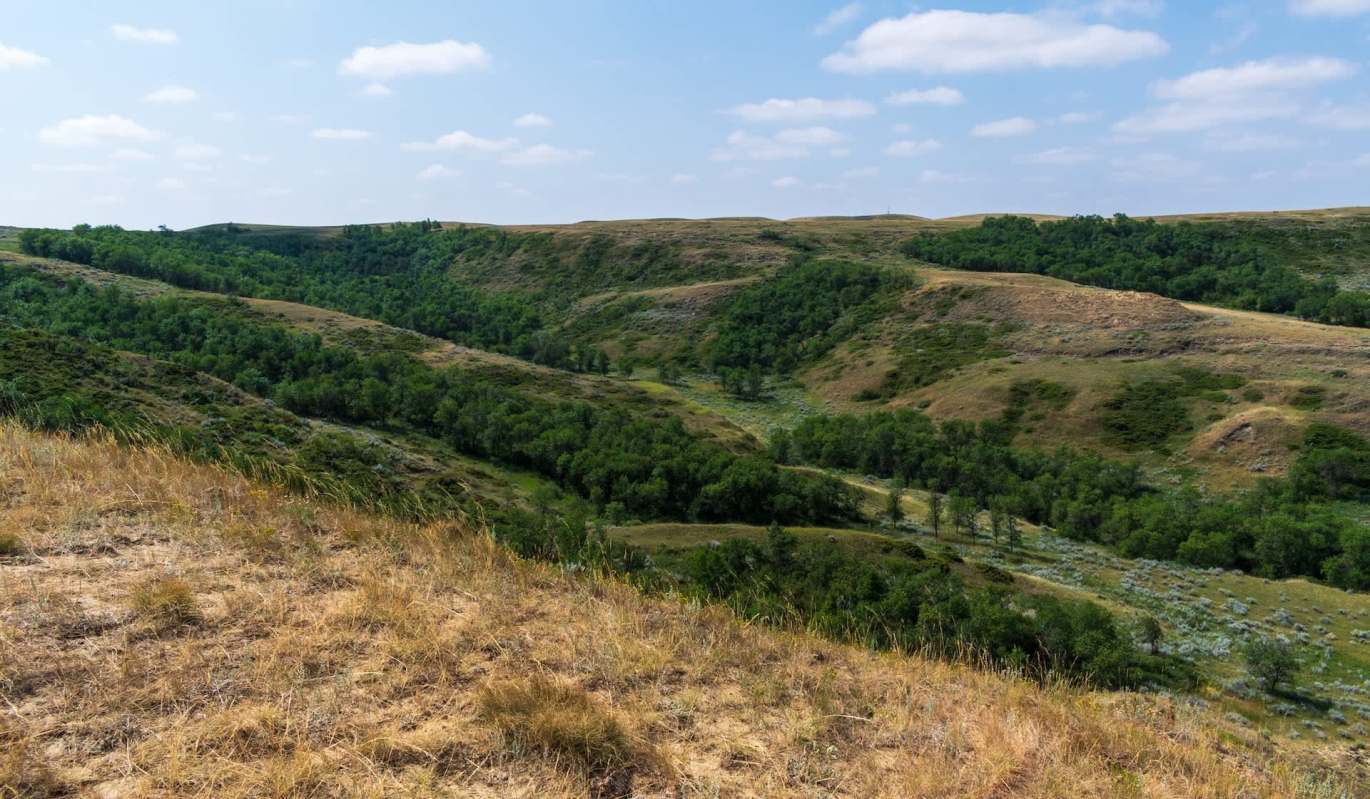
Violent summer weather is still pounding the Canadian Prairies, but the region's crops are holding up far better than many farmers feared.
Halfway through the growing season, the vast farm belt is showing its strongest overall crop conditions in over a decade.
What's happening?
According to Reuters, EarthDaily's midseason satellite and agronomic analysis still points to unusually strong crop health despite a number of disasters hitting Canada's Prairie Provinces in the first half of this year. A rainy spring helped ease the drought that had been weighing on many farmers for years and supplied the moisture needed for crops to get started.
That improvement spans an enormous growing area. As Reuters reported, much of the Prairies' 120 million acres of farmland received enough moisture for good germination, and the region produces the world's biggest canola crop.
The strong regional picture unfortunately comes with severe local setbacks. In central Alberta, Reuters said farmer John Kowalchuk lost roughly half his production on three-quarters of his land in a hailstorm.
Why does it matter?
When a major food-producing region rebounds after years of drought, the effects can extend far beyond the fields themselves. Stronger yields in the Canadian Prairies could help stabilize supplies of canola and other crops that go into everyday products, from cooking oil to animal feed.
TCD Picks » Quince Spotlight
💡These best-sellers from Quince deliver affordable, sustainable luxury for all




That would be especially significant as heat waves cut crop prospects in Europe, Reuters noted. If better Canadian yields can make up for some of those losses, that could ease strain on food systems and help soften price spikes.
Food production is becoming more unpredictable, though not uniformly worse. In this case, improved rainfall and stronger monitoring point to a more encouraging outcome than the extreme-weather headlines alone might suggest.
What's being done?
EarthDaily's use of satellite imagery and agronomic data gives farmers and analysts a broader, faster picture of crop health across enormous areas. That can help people who depend on agriculture spot trends earlier, manage risk, and make more informed decisions about harvesting, storage, and sales.
At the same time, farmers are still dealing with intense local shocks, meaning resilience remains essential. Good moisture, soil management, and timely weather information can all help reduce risk, even if they cannot prevent every hailstorm or tornado.
Even with serious storm damage in some areas, the overall outlook remains encouraging. As Nick Ohrtman, global crop analysis lead for EarthDaily, said, "The vast majority of the western prairie is ahead, and looking pretty darned good."

Get TCD's free newsletters for easy tips, smart advice, and a chance to earn $5,000 toward home upgrades. To see more stories like this one, change your Google preferences here.







