


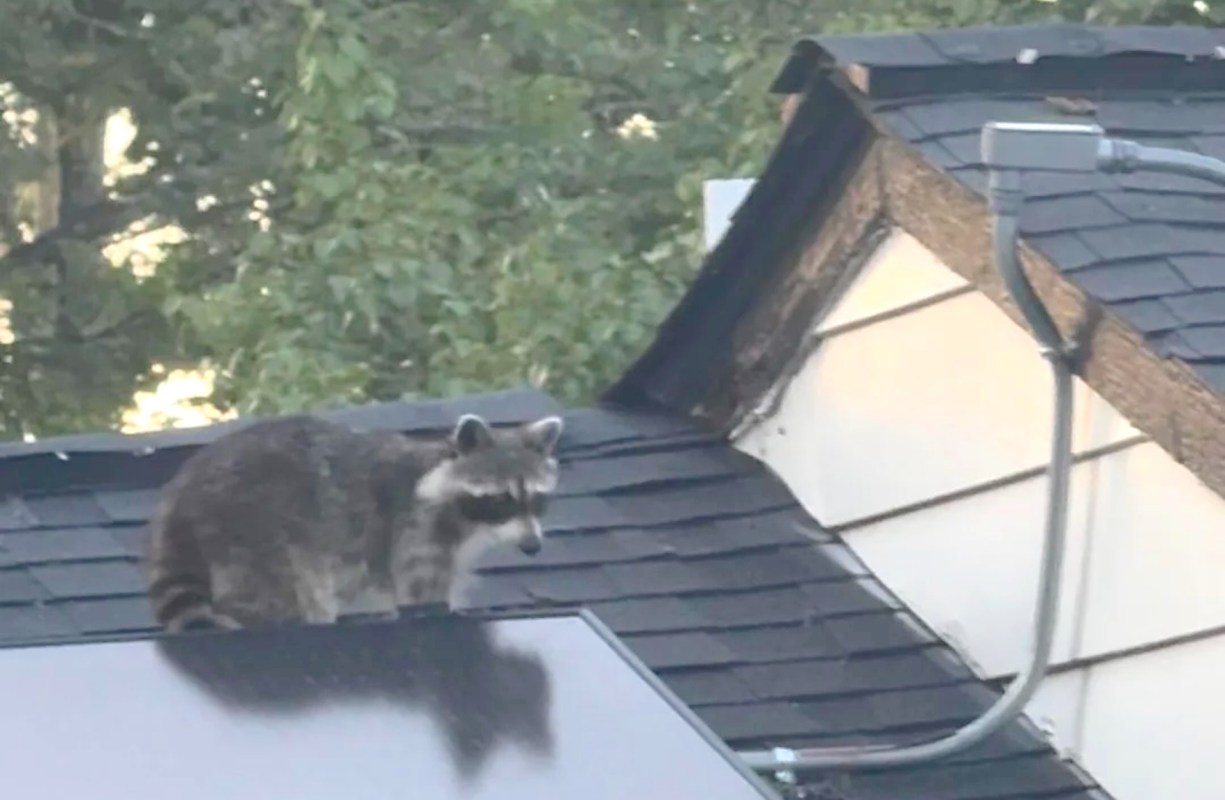
A raccoon has turned into a repeat headache for one homeowner, getting back into the chimney less than a year after a wildlife company was previously called in.
This time, the situation comes with a $2,600 estimate, leaving the homeowner pondering if hiring help again makes sense or whether to try handling it alone.
What happened?
The problem was outlined in a post on Reddit's r/pestcontrol, where a homeowner described ending up with another chimney intrusion after earlier exclusion work was done.
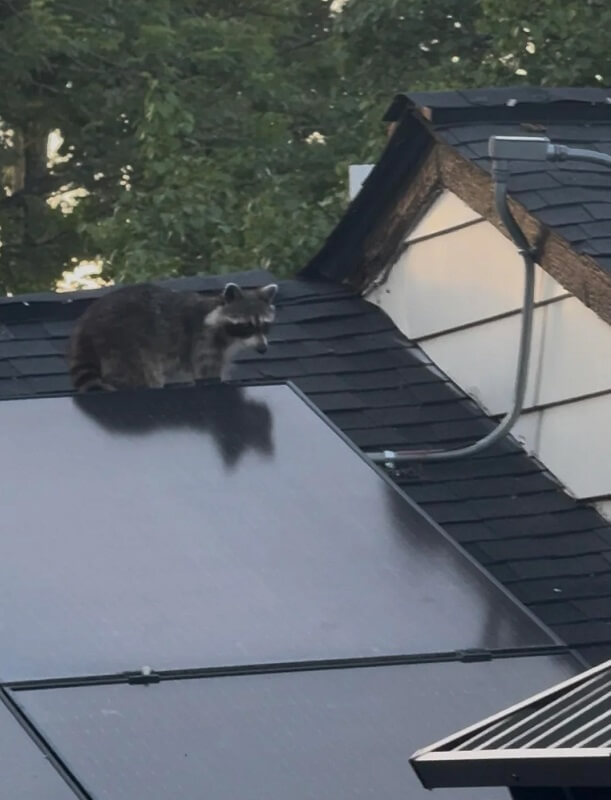
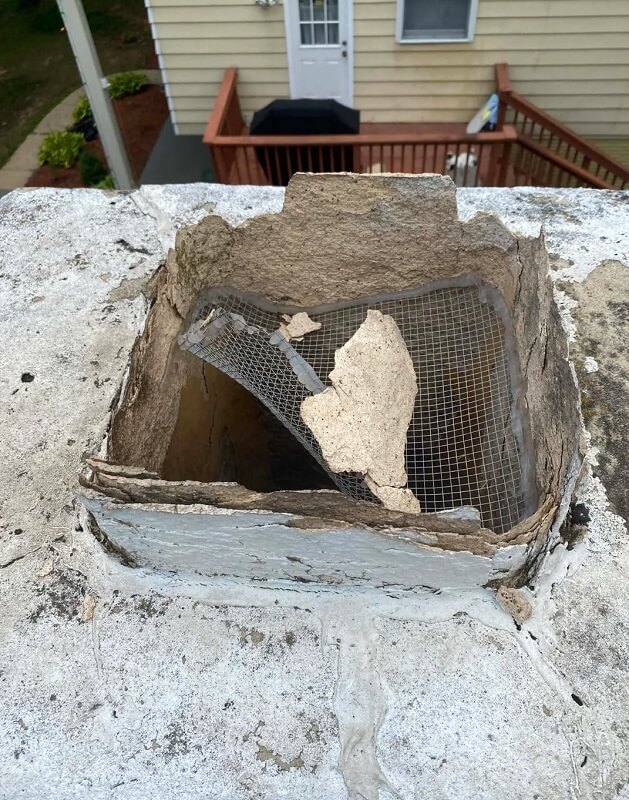
They said the first company visit ended without successfully trapping the raccoon, and only an exclusion system was added. The original poster wrote, "Just under a year ago, I discovered a raccoon living in my chimney."
With the animal apparently having returned, the homeowner said the latest quote for removal is $2,600 and asked whether the job is better left to a professional or attempted as a DIY fix.
Comments debated whether this was a quote that was worth it. One Redditor who stated that they had experience in the field said, "Are they repairing the chimney in any way or just throwing a cap on it? If so, $2600 sounds a bit high to me." They added that "another option is to have the company trap and remove the problem raccoon for $500, then hire a mason who knows what he's doing to repair and cap chimney."
TCD Picks » Quince Spotlight
💡These best-sellers from Quince deliver affordable, sustainable luxury for all




Another commenter encouraged the homeowner to not try and solve the issue themselves: "You should absolutely not attempt to resolve this on your own. Raccoons do not often have rabies but the frequency of them having it is higher than many other animals."
Why does it matter?
A raccoon in the chimney is more than just an irritating noise problem. They can damage caps, liners, and masonry, while their nesting materials can create sanitation concerns inside the home.
The issue also reflects how human development often shapes these encounters. Chimneys resemble hollow trees — the kind of protected den raccoons naturally seek. In developed areas, easy access to food, roof entry points, and shrinking habitat can all push wildlife closer to homes. As BBC Future has reported, many human-wildlife conflicts are tied to the ways people alter landscapes and create new opportunities for animals to adapt around us.
Homeowners can face surprise expenses, lost sleep, and safety concerns. Animals can also end up stuck in spaces they were drawn to by structures people built in the first place.
What can I do?
If a raccoon is actively using a chimney, experts generally recommend caution before attempting a DIY fix. Sealing the opening too early can trap an animal inside, and separating a mother from her kits can make the situation worse. Local regulations may also determine how wildlife can legally be handled.
It's also important to get a second opinion from a different licensed wildlife company to ensure you get the best results for what you spent. It's recommended to ask specific questions about whether the quote includes inspection, humane removal, cleanup, repairs, and a warranty on the exclusion work. If a cap failed once, homeowners should also ask exactly why and what will be done differently this time.
Prevention can make a major difference. A properly secured chimney cap, a roofline inspection, trimmed branches, and the removal of outdoor food attractants such as unsecured trash or pet food can all help reduce the chances of another return visit.
"It was a horrible experience," the original poster wrote.
Another user suggested purchasing a stainless steel chimney cap that shields the entrance with a wire mesh so wild animals can't crawl in, sharing a screenshot of the product.

Get TCD's free newsletters for easy tips, smart advice, and a chance to earn $5,000 toward home upgrades. To see more stories like this one, change your Google preferences here.






