


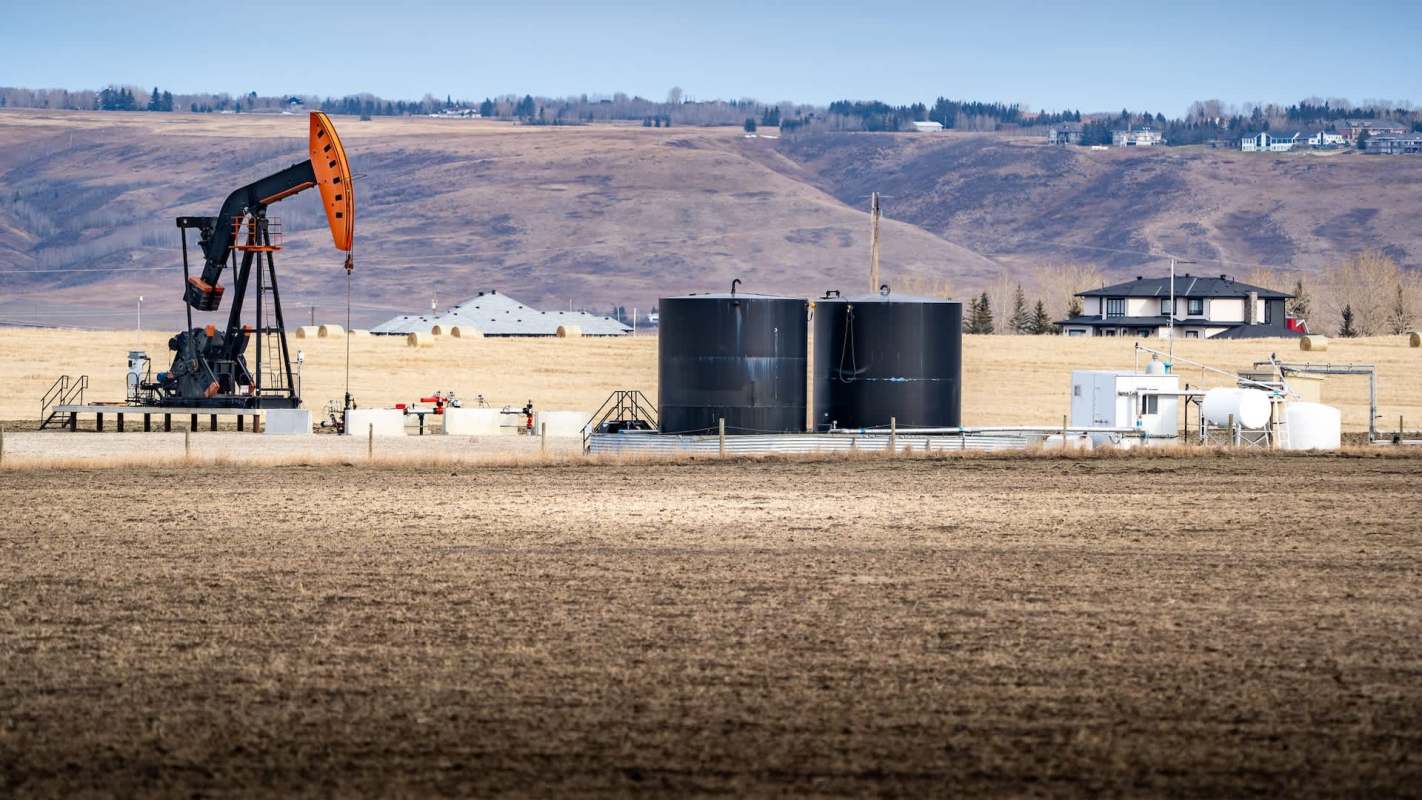
A Colorado panel spent eight months examining research that raised alarms about leukemia risk for children living near oil and gas wells. But it never answered whether the state's current setback is enough to protect families, according to The Denver Post.
What happened?
A public health study linked living within eight miles of an oil and gas well in Colorado to a higher risk of leukemia in children. Its authors said the state's existing setback distances might not fully protect kids.
The Colorado Energy and Carbon Management Commission then formed a panel to review that research together with two other studies. After eight months of examining the findings, the group released a 15-page report in June, The Denver Post reported.
The report did not determine whether Colorado's 2,000-foot setback rule is sufficient. It also did not include any policy recommendations.
Some observers were frustrated by that result.
Why does it matter?
Setback rules determine how close heavy industrial activity can be to homes, schools, and neighborhoods where children breathe, play, and sleep. Studies have suggested elevated health risks for children living near oil and gas operations, but the review ended without conclusions or recommendations.
TCD Picks » Quince Spotlight
💡These best-sellers from Quince deliver affordable, sustainable luxury for all




In a fast-growing state like Colorado, new development, existing wells, and school siting decisions all intersect with setback policy.
What's being done?
For now, the main formal step underway is the public comment process.
The Colorado Energy and Carbon Management Commission is accepting public comments on the panel's report through Aug. 7, according to The Denver Post. This gives residents, health advocates, and industry stakeholders a chance to weigh in.

Get TCD's free newsletters for easy tips, smart advice, and a chance to earn $5,000 toward home upgrades. To see more stories like this one, change your Google preferences here.






