


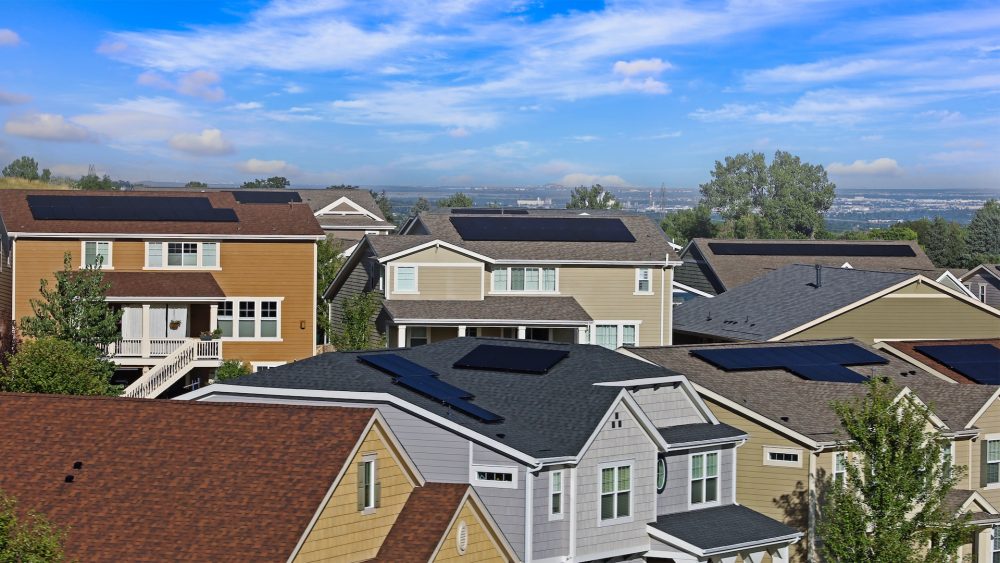
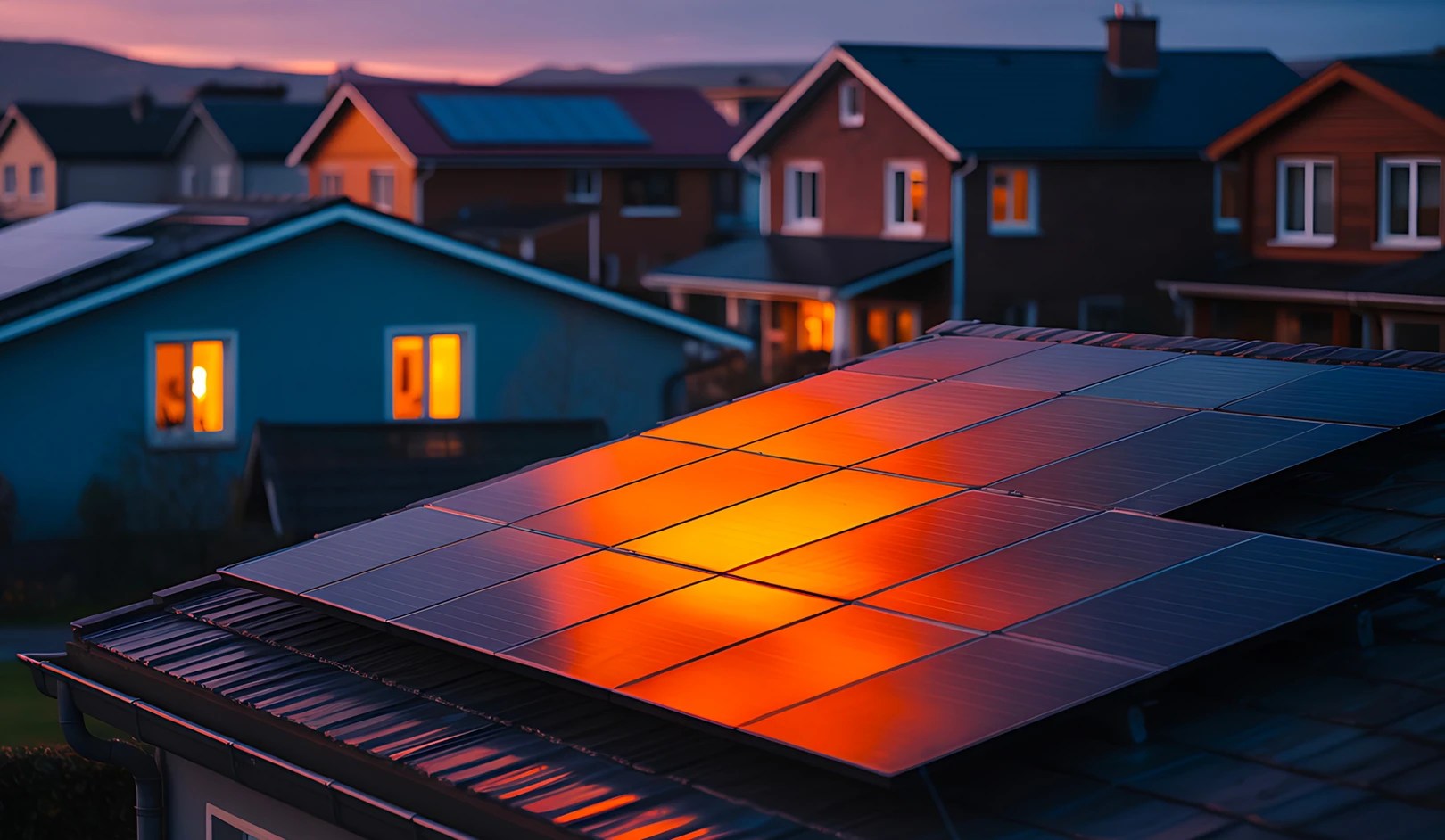
In some Texas suburbs, rooftop panels are common enough to make solar seem like a straightforward way to cut energy costs. Yet one homeowner who has closely monitored household electricity use is skeptical that the savings could add up in their case.
That contrast tackles a common concern for people considering solar: Why can a technology known for lowering bills seem slow to pay for itself? The U.S. payback average is 7-10 years, but in areas with cheap electricity rates and poor sun exposure, that payoff could certainly take longer.
What happened?
In a post on Reddit, a Texas resident considering rooftop solar described a roughly 2,600-square-foot house and two EVs. Even with that level of electricity use, they said the expected payback period seemed longer than they can justify.
They said about one-fifth of homes in their sprawling suburban neighborhood already have panels, yet still wrote, "I can't seem to find the financial benefit. Am I missing something?"
Commenters largely chimed in to say it would be worth it in this Redditor's case, though with only $0.14 per kWh from their utility company, their need is not a dire financial one, and one of the bigger benefits might be to pair solar with a battery system to be able to generate your own power in a blackout.
One commenter projected that if they spend $4,000 a year on electricity per year, that "means a system should pay for itself in roughly 6-7 years." Another with a similar house replied to agree: "I have a 2400 sqft house and my energy costs were 6k per year. Our roof was able to fit a 12.42kW system (thanks trees). For the last 3 months our bill has been effectively $0 for electricity. It's wonderful."
The economics of solar can vary from one home to the next depending on roof angle, shade, electricity rates, how much power a household uses during the day, whether batteries are included, and what local utility policies look like.
Going solar is one of the best ways to save money on home energy for many households, even if the math does not look identical in every case. Homeowners who are curious can explore EnergySage's free tools to get quick solar installation estimates and compare quotes. With EnergySage's help, the average person can save up to $10,000 on solar purchases and installations.
Save $10,000 on solar panels without even sharing your phone number Want to go solar but not sure who to trust? EnergySage has your back with free and transparent quotes from fully vetted providers that can help you save as much as $10k on installation. To get started, just answer a few questions about your home — no phone number required. Within a day or two, EnergySage will email you the best local options for your needs, and their expert advisers can help you compare quotes and pick a winner. |

Another user reminded the OP that their electricity rates will go up, but the cost they paid for solar will not, unless they are financing the entire purchase and paying in installments with interest.
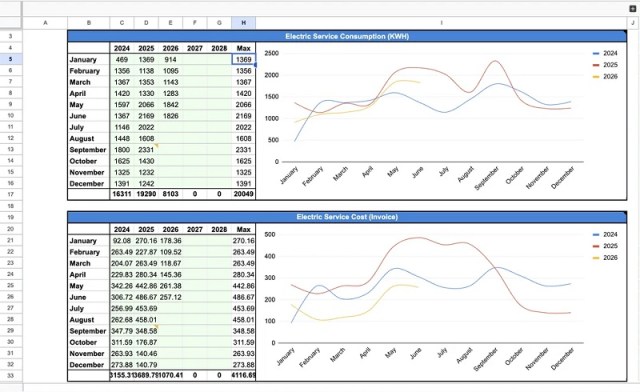
"Your invoice shows an increase of 17% yoy. Assume for a min that will be your increase every year. This is what your annual $$ look like:
"$3,155.00, $3,689.00, $4,313.38, $5,043.44, $5,897.07, $6,895.18, $8,062.23.
"In 7 years you would have paid over $37k. Then the question becomes - why do you not see value. And the answer may lie in what you are being charged for the panels."
More From EnergySage
💡Go deep on the latest news and trends shaping the residential solar landscape

While that year-over-year increase may be a leap of an assumption to make for that many years in a row, the overall point remains that even with a more modest increase keeping with inflation, the panels will eventually pay for themselves, whether it takes seven years or 12 years — but it's a very safe bet they will not only pay for themselves but then become a pure profit machine for years once they do.
Why does it matter?
Solar is a significant investment, and people want to know whether it will actually lower their bills. If a family is being quoted a system that takes too long to pay for itself, it could mean the design is oversized, the financing terms are too expensive, or the expected savings are being overstated.
In places like Texas, where air-conditioning demand can be intense and outages have pushed more residents to think seriously about home energy resilience, a bad deal can turn people away from a technology that may still make sense with better pricing or a different setup.
The Reddit post also points to a broader issue in the market: Seeing neighbors install panels does not automatically mean those systems were optimized. Some buyers may be prioritizing backup power, cleaner energy, or stability over a quick payback, while others may simply not have shopped around enough.
What can I do?
Comparison shopping is a useful first step when trying to make sense of solar quotes. Free services can make a major difference here. That kind of side-by-side pricing can help reveal whether a quote is competitive or inflated.
Readers can also use EnergySage's solar map to see if there are available tax credits or financial incentives in your area. Together, those resources can help readers get the best price for rooftop solar panels and access available incentives.
Other comments mentioned that having a battery system paired with solar can be a better investment. One Redditor said, "Your neighbors likely have home batteries as well for immediate backup power." They added that since they've installed battery storage, "it allows us to have seamless backup power from our batteries and has been a huge help and peace of mind."
Adding battery storage to a solar setup is also one of the best ways to protect your home during outages, save money on energy, and go off grid. Batteries will not make sense for every household, but they can change the value equation significantly, especially where backup power is a priority. Homeowners can explore EnergySage's free tools for information about home battery storage options.

Get TCD's free newsletters for easy tips, smart advice, and a chance to earn $5,000 toward home upgrades. To see more stories like this one, change your Google preferences here.






