


Repeatedly wiping up a small bit of water on the floor led one homeowner from a harmless assumption to a costly discovery. What first seemed like leftover bathtub cleaning water kept coming back, and the source turned out to be the water heater.
What happened?
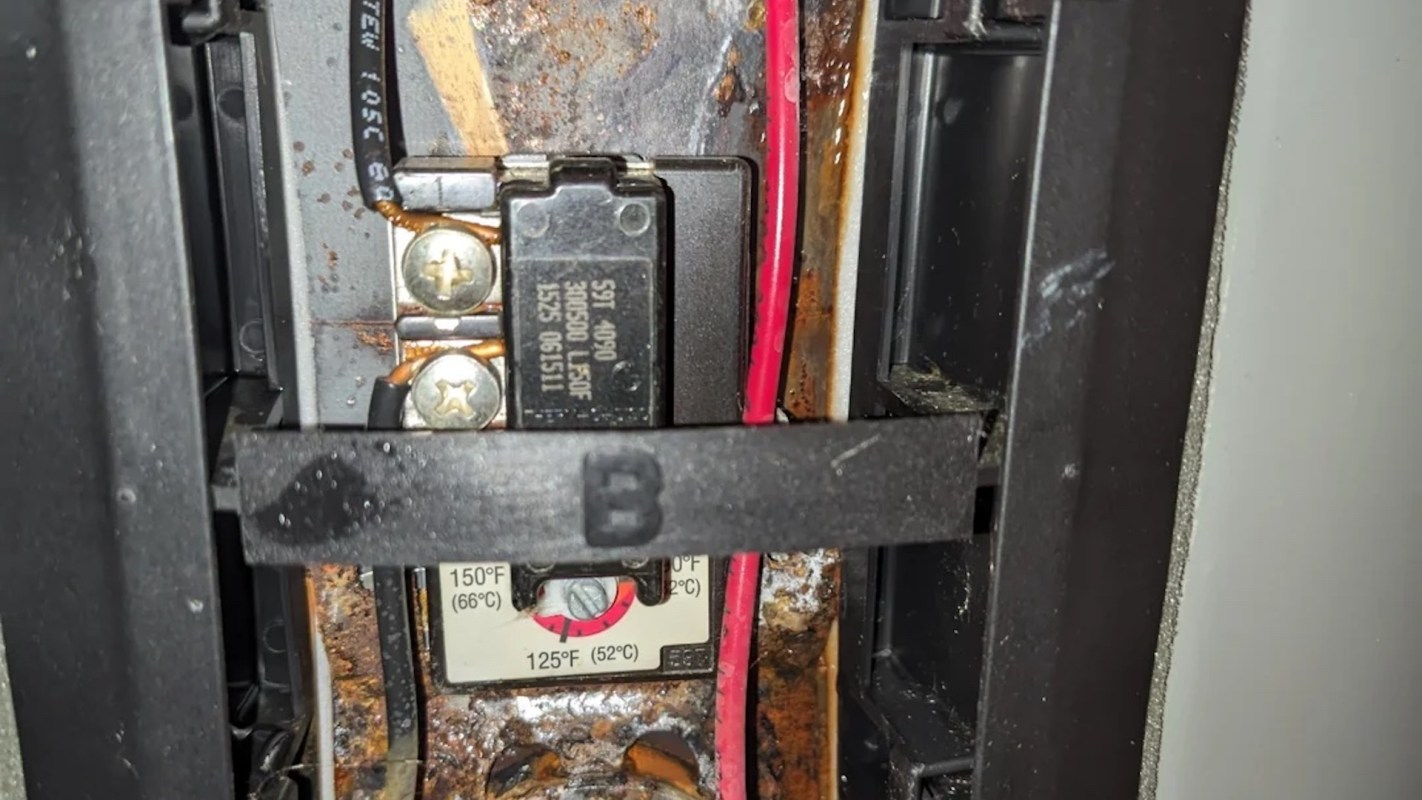
In a Reddit post, the homeowner uploaded a photo of a 2016 electric Rheem water heater and identified the suspected leak area.
"So... This water tank is a goner right?" they asked.
They said water was visibly sputtering from behind the lower temperature-setting panel, where the foam insulation also appeared discolored.
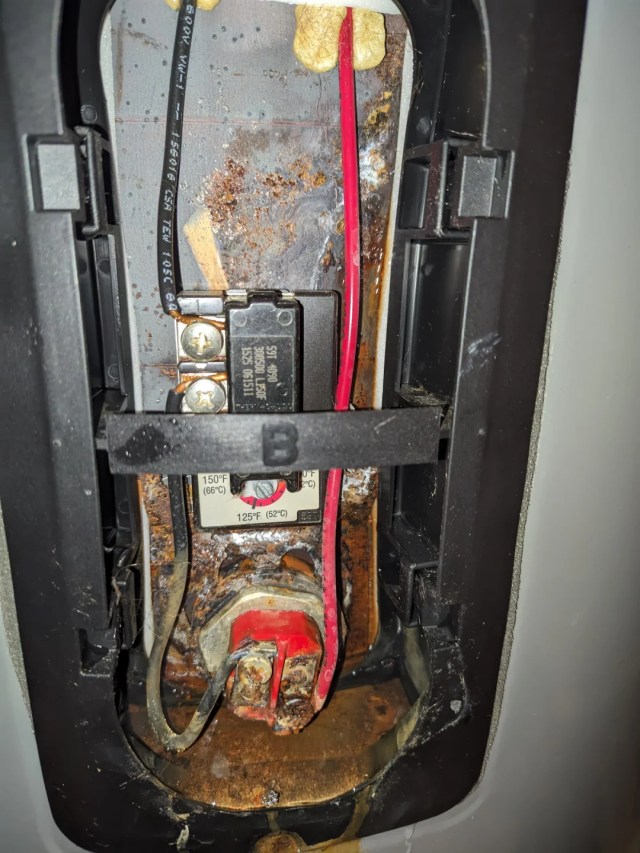
After researching the issue, the homeowner said they feared the inner tank had cracked. They asked whether that diagnosis was likely and whether any fix existed besides replacing the unit.
If it comes down to replacing the unit, one could see potential energy bill savings by upgrading to a heat pump water heater.
Why does it matter?
Some water-heater leaks come from parts such as loose connections, bad valves, or worn fittings that can be repaired. A leak from the tank body is usually different, because that type of failure generally cannot be patched.
Even a small sputtering leak can lead to warped flooring, damaged walls, mold concerns, and a far larger cleanup bill if it is ignored.
Save $10,000 on solar panels without even sharing your phone number Want to go solar but not sure who to trust? EnergySage has your back with free and transparent quotes from fully vetted providers in your area. To get started, just answer a few questions about your home — no phone number required. Within a day or two, EnergySage will email you the best options for your needs, and their expert advisers can help you compare quotes and pick a winner. Solar panels can save you more than $50k over their 25-year lifespan, and EnergySage can help you save as much as $10k on installation. Which begs the question — isn't that worth an email or two? |

It also affects household budgets from two directions at once: the cost of replacement and the energy cost of whatever comes next. Since water heating is one of the larger energy uses in many homes, replacing a failed standard electric unit with a more efficient option can help ease the financial blow over time.
What can I do?
If you notice recurring water near your heater, do not assume it is harmless splashback. Dry the area, monitor whether it returns, and check whether the water is coming from a fitting, drain valve, pressure-relief valve, or the tank body itself. If the leak appears to be coming from inside the jacket or from behind an access panel, it may be time to call a licensed plumber quickly.
For homeowners who do need a new unit, it can be worth looking beyond a basic like-for-like replacement. Cala could be one option to compare. Its smart heat pump water heaters allow homeowners to decrease their energy bills by heating water exactly when it's needed.
Smart scheduling and load shifting may also help households make better use of lower-cost power periods when available. For anyone facing an unavoidable replacement, comparing efficient options such as Cala could turn a frustrating breakdown into a long-term money-saving upgrade.

Get TCD's free newsletters for easy tips, smart advice, and a chance to earn $5,000 toward home upgrades. To see more stories like this one, change your Google preferences here.






