


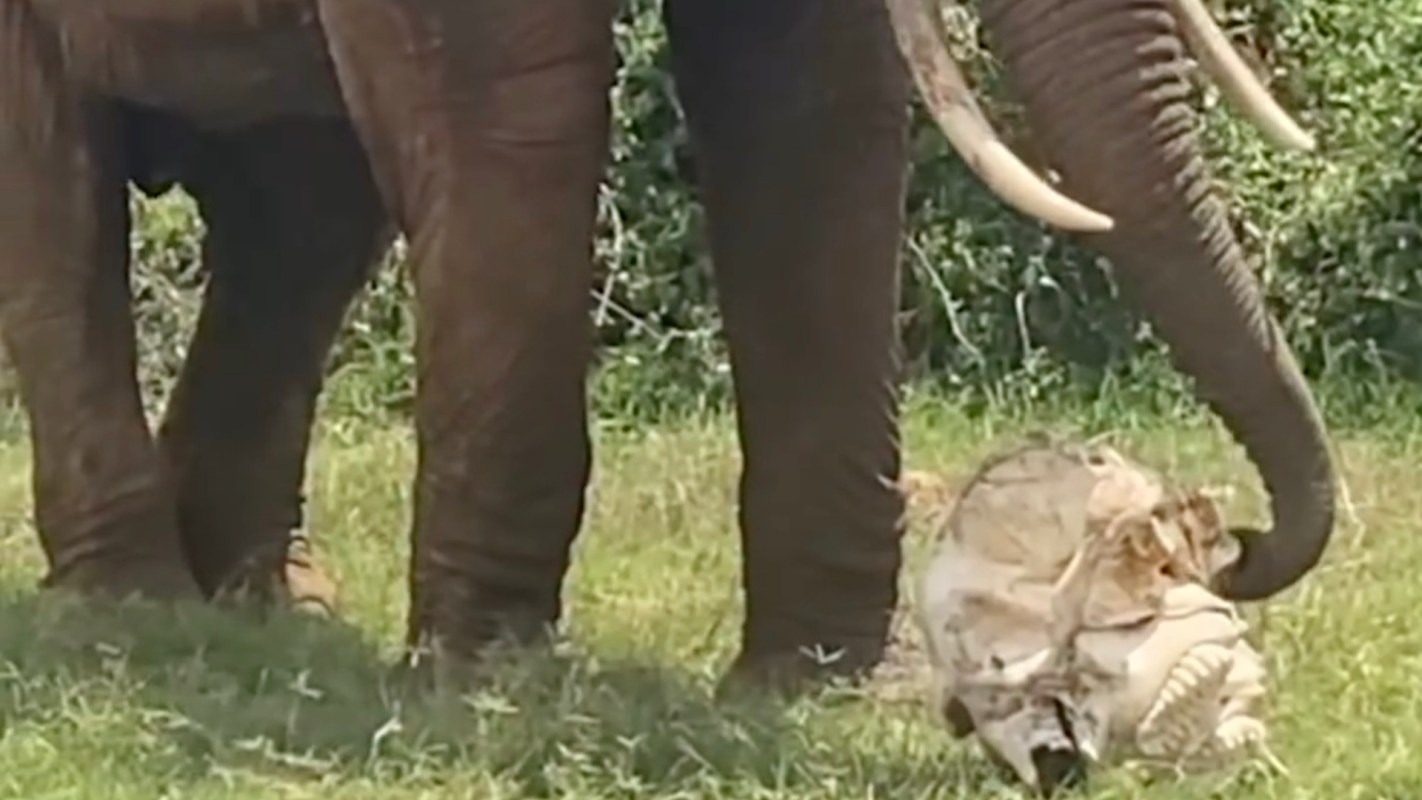
Grief is not a uniquely human expression, and the emotional lives of animals may be far richer than many people assume.
Now, a viral video is drawing attention to one of the most haunting and fascinating traits exhibited by elephants, their tendency to linger with the remains of deceased elephants.
What happened?
In a recent Instagram post, the Kenya-based conservation organization, Save the Elephants, drew attention to a phenomenon it says it has observed repeatedly over the years.
The group has reportedly seen elephants coming back to the remains of dead elephants and interacting with them in ways that appear deliberate.
The caption describes elephants as "known to mourn their dead" and frames that idea with the question, "What draws an elephant to the remains of another elephant?"
The group added that "our research has shown that they often sniff, touch and even try to move the remains of deceased elephants, regardless of whether they knew the individual well or not." The video then shows one elephant doing exactly that, moving its trunk around the skull of another elephant who had passed nearly two years prior.
TCD Picks » Quince Spotlight
💡These best-sellers from Quince deliver affordable, sustainable luxury for all




Why does it matter?
Elephants already face enormous pressures, including habitat loss, conflict with humans, and poaching. The more researchers understand about their social bonds, the clearer it becomes that the loss of even one elephant can send ripples through a larger group.
And because elephants are such social animals, they rely on each other's knowledge for survival, and this knowledge is passed down from generation to generation.
Groups such as Save the Elephants are helping document and share these behaviors so they are not dismissed as merely anecdotal. By pairing field observation with public education, conservation organizations can build support for stronger protections and better-informed wildlife policy.

Get TCD's free newsletters for easy tips, smart advice, and a chance to earn $5,000 toward home upgrades. To see more stories like this one, change your Google preferences here.






