


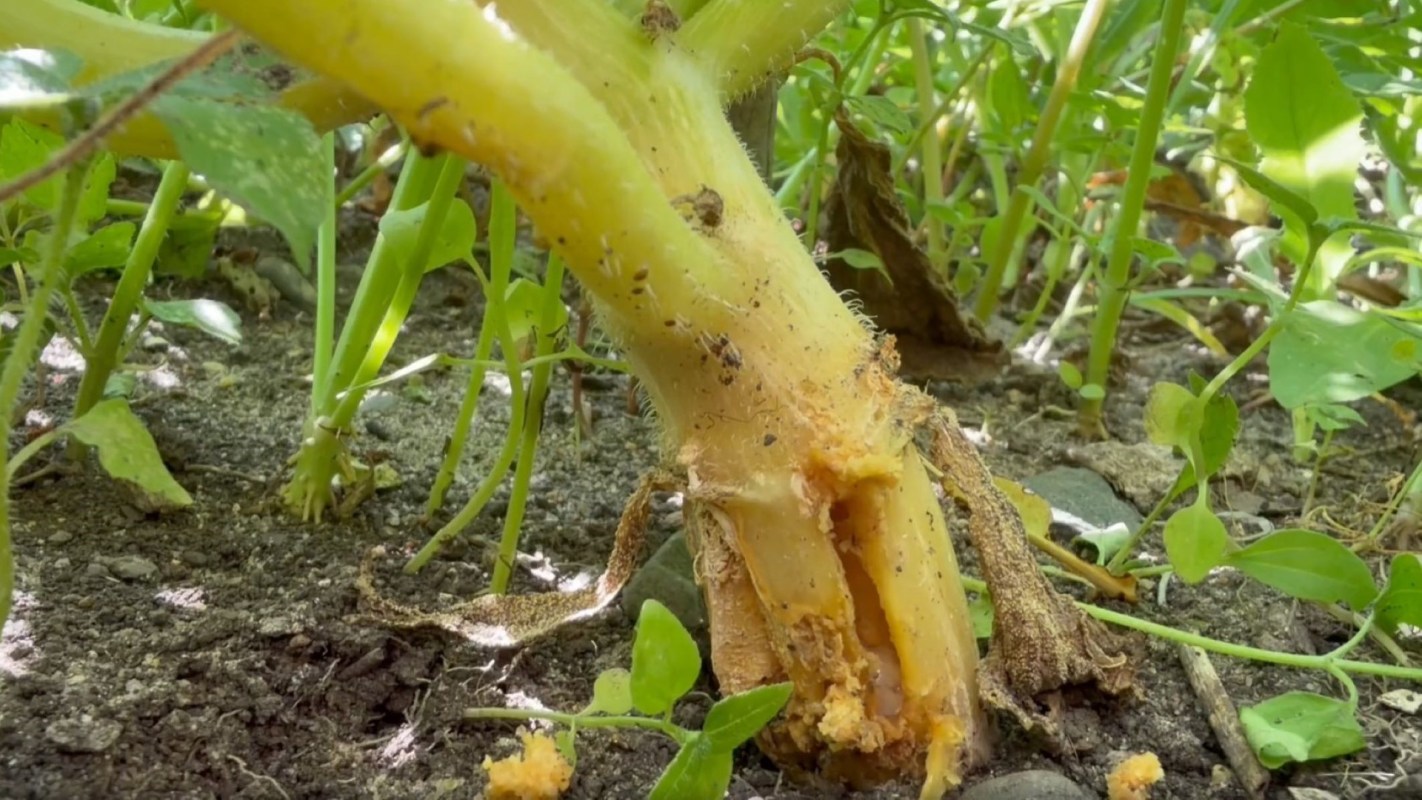
A Minnesota gardener's up-close encounter with a squash vine borer is drawing attention online for being both stomach-turning and genuinely helpful.
The Reddit post lays out the kind of hands-on rescue some home growers attempt to save a zucchini plant: opening the stem and removing the pest manually.
What happened?
Writing in the Vegetable Gardening subreddit, a Zone 4b gardener from central Minnesota said they used a scalpel to make a small opening in a zucchini stem, then pulled out a squash vine borer larva with sterilized forceps.
(Click here if the embedded video does not appear.)
It quickly evolved into a shared troubleshooting thread about a pest many summer gardeners consider especially maddening. These insects tunnel through stems, often leaving plants weakened or dead even when they had seemed healthy.
For gardeners growing zucchini, squash, and other cucurbits, that kind of damage can feel especially discouraging after weeks of watering, weeding, and finally watching plants begin to thrive.
TCD Picks » Quince Spotlight
💡These best-sellers from Quince deliver affordable, sustainable luxury for all




Why does it matter?
For many households, home gardening is about more than a hobby.
Growing food can help cut grocery bills, especially during peak produce season, and many gardeners say homegrown zucchini, squash, and tomatoes taste better than store-bought versions.
There are health benefits as well. Time spent gardening can support physical activity, reduce stress, and encourage people to spend more time outdoors.
When a pest like a squash vine borer wipes out a productive plant, it can mean losing both food and the payoff from all that effort.
The post also highlighted how quickly a pest problem can sneak up on gardeners and that damaged plants are not always a lost cause. In some cases, careful intervention can save a plant and preserve at least part of the harvest.
What can I do?
Check plants early and often. Wilted leaves, holes in stems, and sawdust-like waste around the base can all be signs of a vine borer at work. Catching the problem early gives gardeners a better chance of removing larvae before the plant collapses.
The comments also surfaced an array of prevention and treatment methods, from injecting Bacillus thuringiensis into stems with insulin needles to wrapping stems in foil, setting yellow bucket traps, and using spinosad.
Gardeners interested in lower-toxicity strategies can also learn more about controlling pests without chemicals in this guide.
Growing your own food often involves experimentation and persistence. The payoff can be worth it: fresher produce, lower food costs, and the satisfaction of learning how to protect a garden through setbacks.
Commenters matched the gross-out factor with humor: one compared the process to "Operation," while another recoiled at the "maximal frass" comment from the original poster.

Get TCD's free newsletters for easy tips, smart advice, and a chance to earn $5,000 toward home upgrades. To see more stories like this one, change your Google preferences here.






