


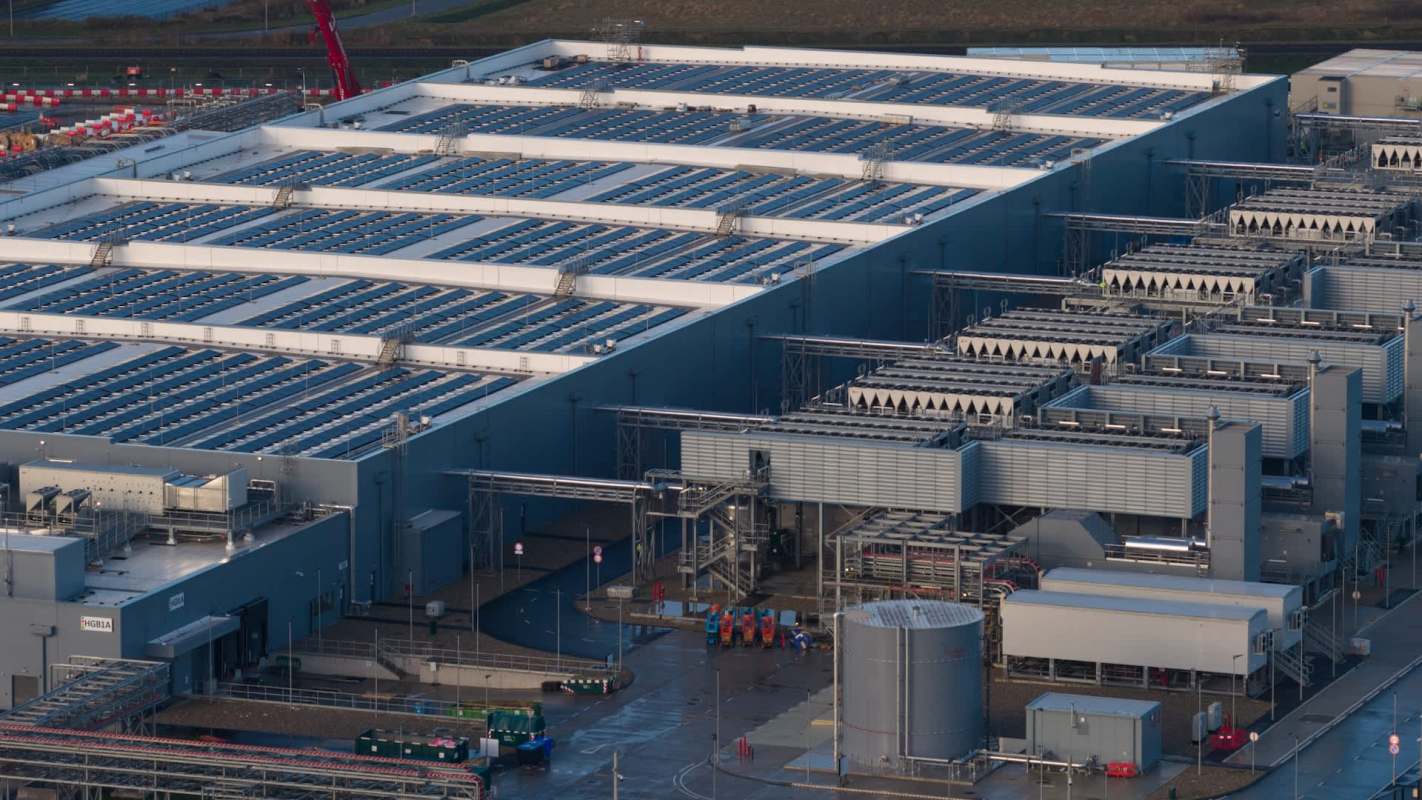
An $8 billion AI data center proposed in Janesville, Wisconsin, is sparking debate over the balance between economic growth, energy usage, and environmental justice.
What happened?
According to PBS News, Janesville has been looking for a rebound since its General Motors plant, which once employed 7,000 people, shut down.
The outlet reported that last year, an opportunity came to the community when a Colorado developer proposed an $8 billion data center campus on the former GM property. The developer said it would buy and clean up the contaminated land.
For many supporters, the proposal looked like a long-awaited economic revival.
George Cullen, co-president of construction company JP Cullen and head of Janesville's Chamber of Commerce, told PBS News the vacant site has not generated tax revenue to support local services since the plant shut down.
"Those property taxes will help our schools, help our technical college, and help our city," Cullen said.
TCD Picks » Quince Spotlight
💡These best-sellers from Quince deliver affordable, sustainable luxury for all




The project was pitched as a major employment boost, with PBS News reporting projections of hundreds of permanent jobs and at least 13,000 temporary construction jobs.
However, despite some local support, there has been growing backlash from other community members.
PBS News reported that two critics of the project won City Council seats, and the council later voted to end the developer agreement. Leading up to that, residents had been raising concerns about electricity costs, water demand, noise, and light pollution.
Why does it matter?
What is happening in Janesville is part of a broader national dispute over the physical infrastructure required to power AI.
The technology runs on enormous data centers that consume large amounts of electricity and water, adding strain to local grids, infrastructure, and nearby communities.
As more of those facilities are built, communities can also face higher energy demand, heavier cooling water use, and potentially bigger utility bills for households.
Ray Jewell, pastor of Afton Community Church and a resident living less than a mile from the proposed site, told PBS News, "I'm not against economic development. I just want it to be reasonable, thought out, done in a way that is not going to put people in danger and harm the environment."
Resistance is not limited to one city. PBS News reported that Gallup recently found 70% of Americans are against having an AI data center built in their own community, and Jael Holzman, a reporter for Heatmap, said the opposition is "a pretty cosmic gumbo of politics."
What's being done?
In Janesville, support has fallen away enough that local officials have put the project on hold, and the Chamber of Commerce has also backed away from its earlier support.
The developer has said it still hopes to revive the campus and has pledged to reduce impacts on residents and the environment.
In other communities, residents are also pushing for greater scrutiny before similar developments move forward.
Former bank executive Prescott Balch, as reported by PBS News, who helped oppose a Microsoft data center proposal in Caledonia, Wisconsin, argued that leaders should slow down and fully evaluate the tradeoffs. He warned that rapidly changing tech markets could leave smaller towns vulnerable if the expected revenue does not last.
These facilities may promise growth, but communities increasingly want proof that the benefits will outweigh the risks.
"If it's something that big and that grand and that impactful, you have an obligation as civic leaders to step back," Balch said.

Get TCD's free newsletters for easy tips, smart advice, and a chance to earn $5,000 toward home upgrades. To see more stories like this one, change your Google preferences here.






