


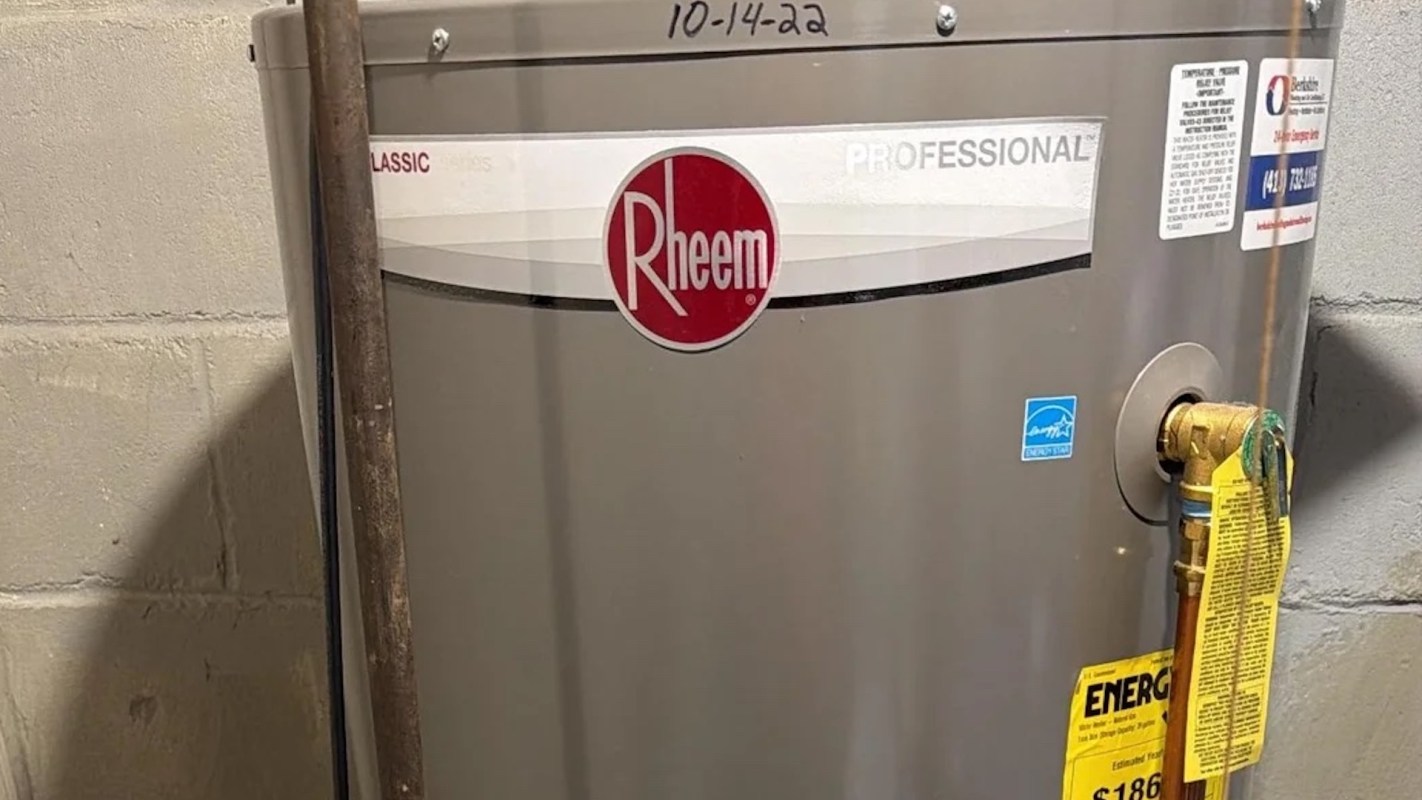
After only three months of homeownership, one Redditor went online for advice when the home's hot water suddenly stopped feeling hot, leaving showers only lukewarm.
Situations like this are a frustrating entrance into homeownership, especially with such a new water heater. If a replacement ends up being necessary, upgrading to a heat pump water heater can be a serious money-saver.
What happened?
According to a post on Reddit, the homeowner had only lived in the house for several months before the issue appeared.
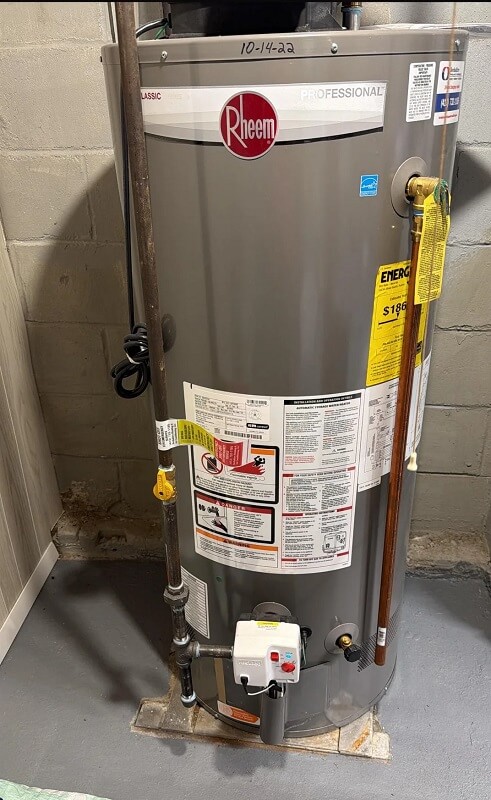
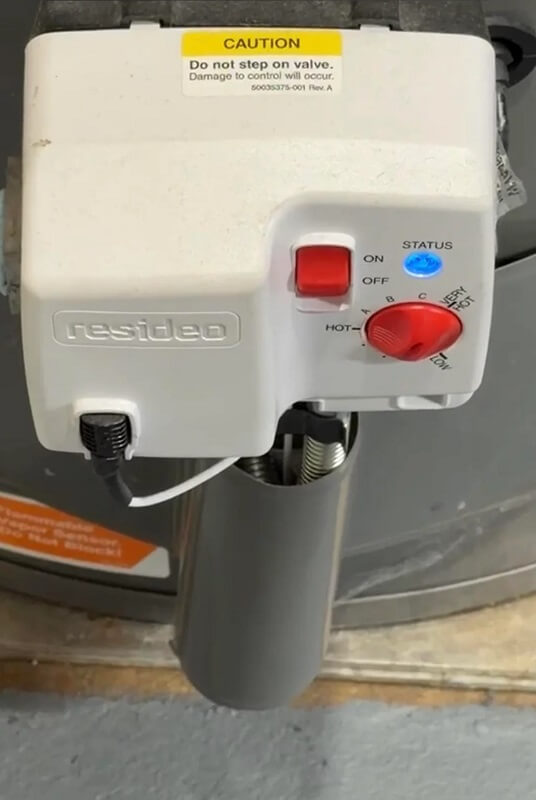
"This morning 7am I had to crank my shower way higher than normal just to get it sort of warm," the original poster wrote.
Later, the homeowner said their wife ran into the same problem as well. Because more than one shower was affected, the issue could point to the water heater itself or another component that serves the whole hot-water system.
The post also mentioned that the unit's status light was blinking, which the homeowner believed was normal. While no diagnosis was confirmed, sudden lukewarm water can result from several common problems, including thermostat changes, sediment buildup, a failing heating element, or other wear inside the system.
"Everything looks fine (I think but looking for some advice maybe that I could give a shot at when I get home!" the user wrote, adding, "Please educate me I am still learning all the new-homeowner things!"
Why does it matter?
Hot water problems can disrupt work, school, and basic daily routines, especially during the morning rush, and they can quickly push homeowners toward expensive same-day service calls if the cause is not obvious.
Save $10,000 on solar panels without even sharing your phone number Want to go solar but not sure who to trust? EnergySage has your back with free and transparent quotes from fully vetted providers in your area. To get started, just answer a few questions about your home — no phone number required. Within a day or two, EnergySage will email you the best options for your needs, and their expert advisers can help you compare quotes and pick a winner. Solar panels can save you more than $50k over their 25-year lifespan, and EnergySage can help you save as much as $10k on installation. Which begs the question — isn't that worth an email or two? |

Water heating is one of the larger energy expenses in many homes, so a struggling system can waste money by heating less effectively or by forcing people to run taps longer while waiting for acceptable temperatures.
It is not always clear whether the issue is a minor maintenance fix or the start of a full equipment failure, especially for newer homeowners. If an older water heater is nearing the end of its life, a sudden drop in performance can also be a warning sign that replacement may need to be part of the conversation.
What can I do?
A good first step is to check whether the issue affects sinks as well as showers, then look for anything simple, such as a changed temperature setting, a tripped breaker, a recently depleted tank, or an error code on the unit. If you have the manual, it may help confirm whether a blinking status light is normal or a warning sign.
If the problem continues, avoid simply cranking the temperature higher, since doing so can increase energy use and raise the risk of scalding. A licensed plumber or technician can help determine whether the issue is a worn part, a buildup problem, or a sign that the water heater is nearing replacement.
If replacement is on the table, Cala offers options for homeowners comparing new equipment. A Cala system is a customizable smart heat pump water heater that helps homeowners decrease their energy bills by heating water exactly when it's needed.

Get TCD's free newsletters for easy tips, smart advice, and a chance to earn $5,000 toward home upgrades. To see more stories like this one, change your Google preferences here.






