


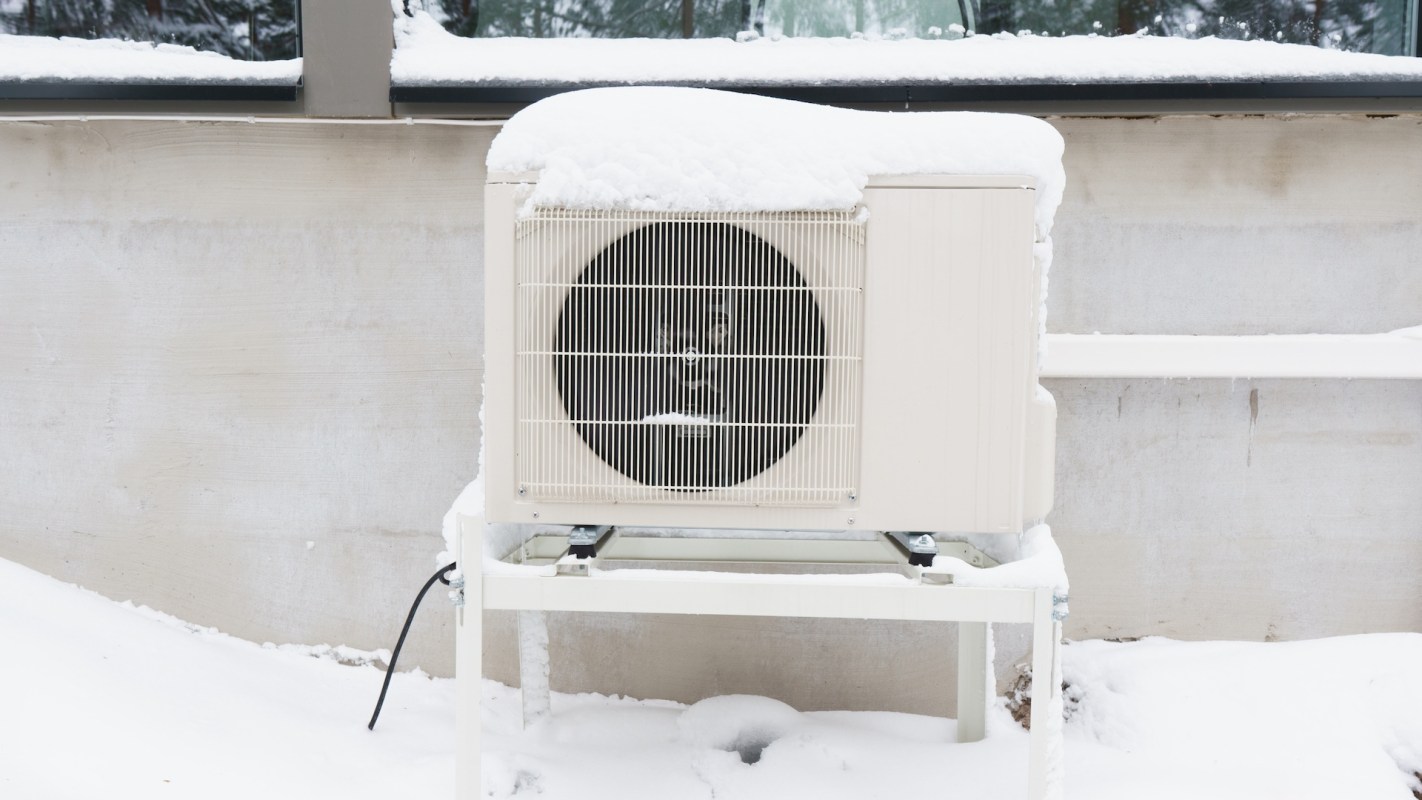
Pennsylvania winters are cold enough to make any heating upgrade feel like a gamble. For one central Keystone State homeowner, the question was not whether heat pumps are gaining popularity, but whether they can actually keep a house comfortable when temperatures drop into the single digits.
What's happening?
Before deciding whether to switch systems, a central Pennsylvania resident turned to Reddit for firsthand feedback on how to best heat their home during the winter months.
As one commenter wrote, "cold climate heat pump handles PA fine down to single digits, just pair it with your existing furnace as backup for those rare deep freezes."
Another gave their experience, noting: "We have 5 mini-splits in our PA house. They provide most of our heat. However, when outside temps go down to the low single digits we light a supplemental wood stove. That doesn't happen every season though."
For homeowners already using gas, the question is not just whether a heat pump can work, but whether backup heat ends up running often enough to wipe out any potential savings.
Why does it matter?
The post reflects a broader question many cold-climate homeowners are asking right now: Have modern heat pumps improved enough to handle winters that once seemed to favor gas by default? In many cases, the answer is yes — but only if the system is properly sized and installed.
Auxiliary heat is not automatically a warning sign. It is designed to turn on during especially cold stretches and during defrost cycles. However, if it runs too often, electricity use can climb quickly, which is why so many homeowners focus on comfort during cold snaps and how monthly bills compare with their previous fuel source.
A successful switch can mean more efficient heating and cooling, less gas burned at home, and one system doing the work of two. A poor fit, though, can lead to winter sticker shock.
Save $10,000 on solar panels without even sharing your phone number Want to go solar but not sure who to trust? EnergySage has your back with free and transparent quotes from fully vetted providers in your area. To get started, just answer a few questions about your home — no phone number required. Within a day or two, EnergySage will email you the best options for your needs, and their expert advisers can help you compare quotes and pick a winner. Solar panels can save you more than $50k over their 25-year lifespan, and EnergySage can help you save as much as $10k on installation. Which begs the question — isn't that worth an email or two? |

What can I do?
If you're contemplating the change to a heat pump, a home-specific assessment can help clarify the fit. Ask contractors for a heating-load calculation, low-temperature performance specifications, and a realistic estimate of how often backup heat would run based on your insulation, windows, and ductwork.
If you're also looking for ways to reduce future electric bills, EnergySage offers a free solar quotes comparison tool for homeowners interested in slashing their energy bills with solar.
It can also help to compare whole-home options through EnergySage's Heat Pump Marketplace, then decide whether a full replacement, a dual-fuel setup, or a room-by-room approach makes the most sense for your budget.
Heat pumps are significantly more energy-efficient than traditional HVAC systems because they move heat rather than generate it, and they can provide both heating and cooling in one unit. They're also more financially appealing when paired with tax credits, rebates, and long-term savings.
For people who are not ready for a whole-home replacement, Merino offers single-room, ultra-efficient HVAC systems at a lower price point. Its targeted heating and cooling system can be installed, making it a more incremental option for hard-to-heat or hard-to-cool spaces.

Get TCD's free newsletters for easy tips, smart advice, and a chance to earn $5,000 toward home upgrades. To see more stories like this one, change your Google preferences here.






