


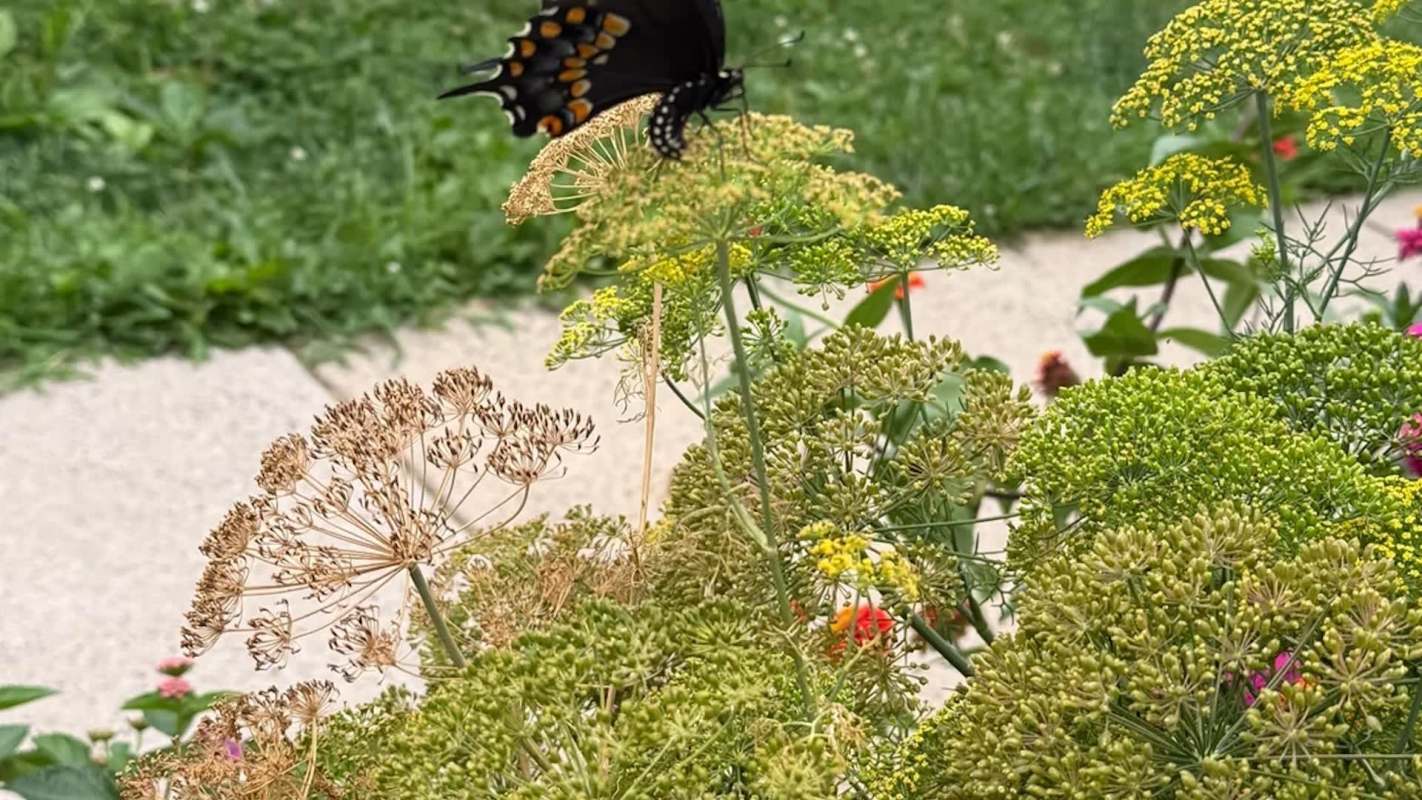
A gardener hoping to help pollinators got the kind of payoff that can make yard work feel magical: a close-up photo of a black swallowtail butterfly laying eggs directly on blooming dill.
What happened?
On Reddit, the original poster shared a photo labeled "Black swallowtail on dill" and wrote, "Caught this beauty laying eggs!"
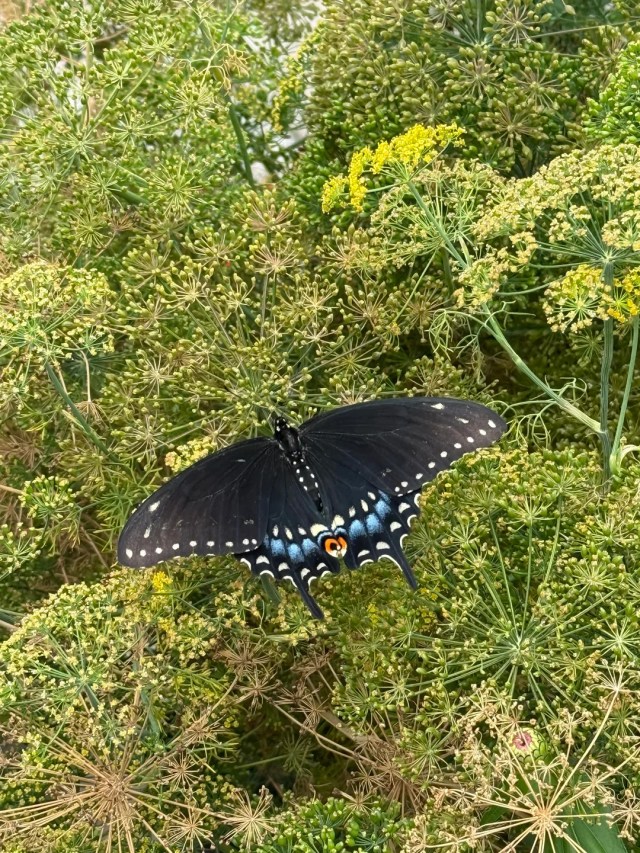
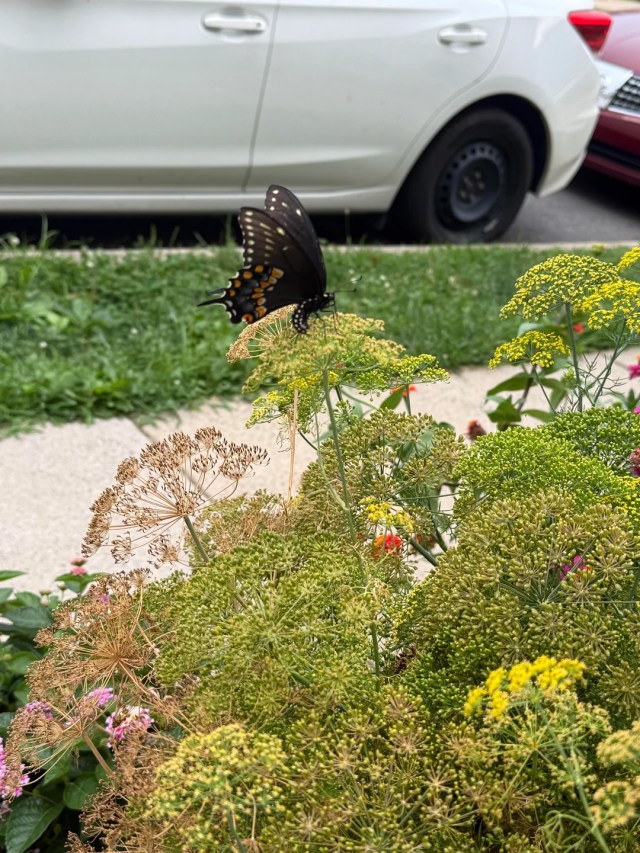
The image showed the butterfly perched above the dill flowers. One commenter joked, "At first glance I thought this was a monster swallowtail flying over a forest and I wondered how you got the pix."
People mentioned dill, fennel, and Golden Alexanders, including one gardener who said they had seen eggs and newly hatched caterpillars and another who asked whether this dill was growing in the front yard.
When the front-yard question came up, the original poster said the dill was useful in more ways than one: "Yes it's a nice filler and it's been totally covered in small bees since it bloomed."
Why does it matter?
Swapping even part of a traditional lawn for more useful plants can support pollinators while also reducing the need for mowing, trimming, and watering. In many cases, homeowners can save both time and money on lawn maintenance while lowering water bills.
TCD Picks » Quince Spotlight
💡These best-sellers from Quince deliver affordable, sustainable luxury for all




There are also several low-maintenance ways to make the shift. Native plants are a popular option, but clover, buffalo grass, and xeriscaping can also reduce the workload and resource demands of a conventional yard. Even a partial lawn replacement can offer those benefits while creating pockets of habitat.
One commenter wrote, "That's amazing! You should be so proud of the environment you've created."
What can I do?
If you want more butterflies and bees in your yard, it helps to start by choosing plants that do more than simply look nice. The gardener's dill attracted not only a black swallowtail ready to lay eggs but also, by their account, "small bees" throughout bloom season.
You don't need to redo your entire property at once. Replacing a strip of grass, a sidewalk edge, or a bare front-yard patch with native plants or other lower-maintenance alternatives can make a meaningful difference while keeping costs manageable.
For homeowners looking for ideas, check out the TCD Guide's pages on rewilding your yard and upgrading to a natural lawn. Those pages can help you think through options such as native plantings, clover, buffalo grass, and xeriscaping.

Get TCD's free newsletters for easy tips, smart advice, and a chance to earn $5,000 toward home upgrades. To see more stories like this one, change your Google preferences here.






