


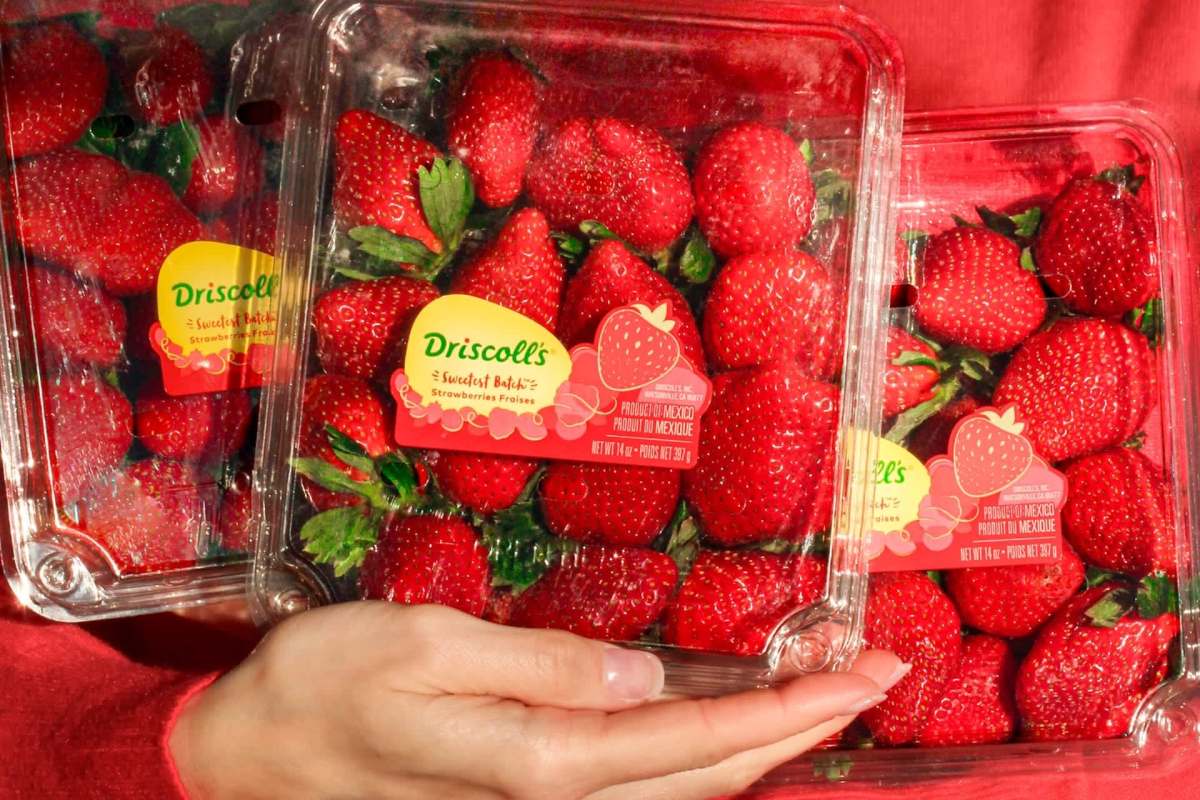
A proposed class-action case in California is targeting Driscoll's, the world's largest berry company, over allegations that the company's environmental image conflicted with what was reportedly detected on its strawberries.
Plaintiffs say the issue amounts to greenwashing and point to reported pesticide residues, including PFAS compounds often called "forever chemicals."
What happened?
According to Insurance Journal, a class-action complaint filed earlier this month in California Superior Court accuses Driscoll's Inc. of deceptive advertising, unfair competition, and violations of California's Consumer Legal Remedies Act.
PFAS are often called forever chemicals because they break down slowly and can persist in soil, water, and living organisms for long periods. Insurance Journal reported that the lawsuit says Driscoll's branded its strawberries as clean, safe, and eco-conscious without disclosing the alleged risk or use of PFAS-linked pesticides.
Insurance Journal reported that the complaint cites testing that allegedly detected residues from 12 pesticides on Driscoll's strawberries, with eight identified as PFAS. The plaintiffs alleged that "Driscoll's ran an environmentally friendly campaign—greenwashing its true farming and manufacturing practices that included these forever chemicals known to be extraordinarily difficult to clean up and break down and accumulate in the environment and living organisms, including humans."
Driscoll's pushed back on the allegations. In a statement, a company spokesperson said the claims are "without merit" and added: "As a family-owned company, food safety, quality, and integrity are fundamental to who we are."
TCD Picks » Quince Spotlight
💡These best-sellers from Quince deliver affordable, sustainable luxury for all




Why does it matter?
The case taps into growing concern among shoppers over whether sustainability claims on packaging truly reflect how products are made.
The lawsuit states that "reasonable consumers are increasingly concerned about the environmental consequences of agricultural production, including contamination of soil and water resources through the use of persistent synthetic chemicals."
The case also highlights how greenwashing can blur the line between genuine progress and polished marketing. Consumers looking to better identify those tactics can visit TCD's guide on greenwashing.
What's being done?
The dispute is now playing out in court. The proposed class action seeks to hold Driscoll's accountable for what the plaintiffs describe as misleading environmental messaging tied to the company's premium brand image.
Driscoll's, meanwhile, is standing by its practices. On its food safety webpage, the company says oversight from multiple layers of government applies to its farms as well as the independent growers it works with. The company also states, "Driscoll's berries are safe to eat and meet all applicable regulatory standards."
The lawsuit says those representations "are material to consumers' purchasing decisions and contribute to the premium reputation and value associated with the Driscoll's brand."

Get TCD's free newsletters for easy tips, smart advice, and a chance to earn $5,000 toward home upgrades. To see more stories like this one, change your Google preferences here.






