


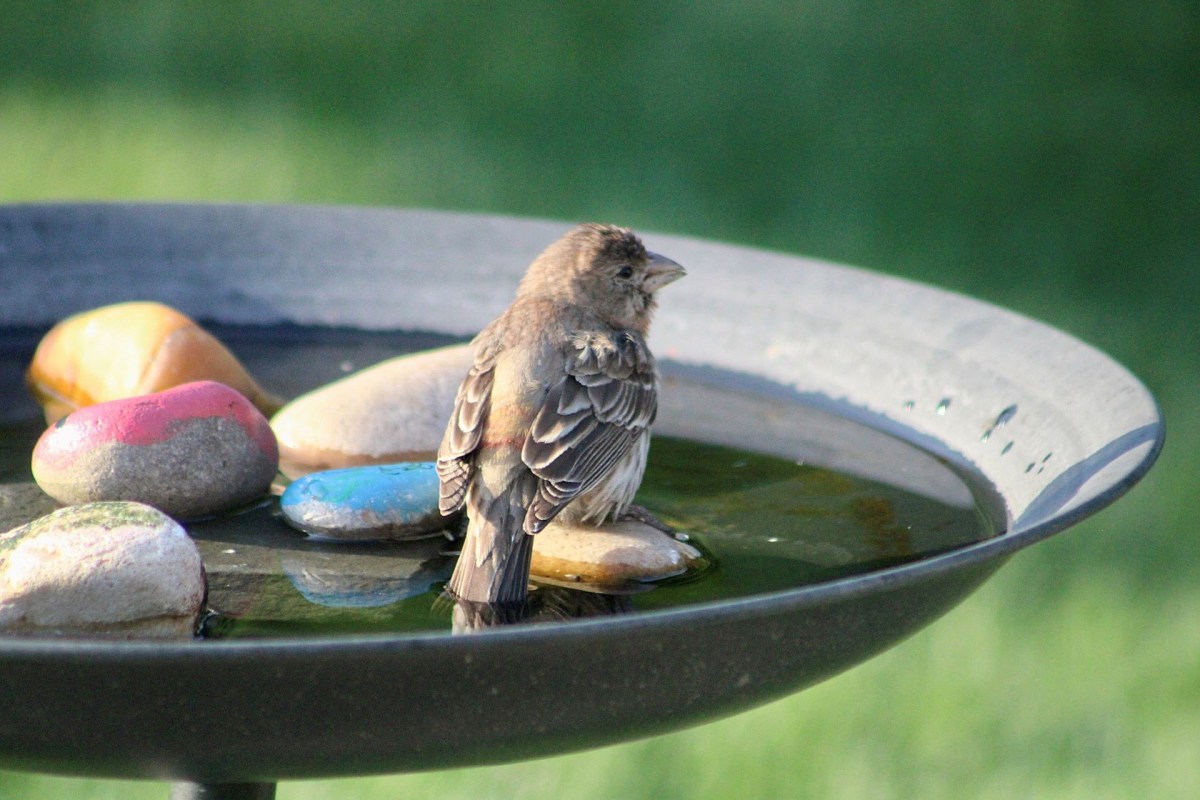
A Connecticut town is asking homeowners to look beyond the traditional green lawn as it tries to slow local wildlife losses.
In Branford, officials say even converting part of a yard to native plants could support birds, pollinators, and residents, turning small landscaping changes into a way to strengthen biodiversity close to home.
What's happening?
Branford officials want residential yards to rely less on conventional landscaping, with more native plants, less lawn, and reduced chemical use.
In a town release highlighted by Patch, leaders said insect declines are happening at nearly eight times the rate of higher vertebrate extinctions.
Because insects underpin the food web, the town warned that their loss can affect many other species.
Officials said 96% of birds need insects to raise their young, and cited research suggesting that when native plants account for less than 70% of a yard, birds such as chickadees may be unable to keep their populations stable.
TCD Picks » Quince Spotlight
💡These best-sellers from Quince deliver affordable, sustainable luxury for all




"The way we landscape our homes and communities has a huge impact on wildlife," the town said.
Branford First Selectman Josh Brooks added, "As a community, we have a responsibility to keep our environment healthy and vibrant for generations to come."
Why does it matter?
A conventional lawn may look tidy, but officials said it often functions like a "green desert," offering little habitat for wildlife while consuming substantial resources.
Branford said in the release that lawns use about 30% of U.S. water, mowing them consumes roughly 200 million gallons of gasoline a year, and tens of millions of pounds of pesticides are spread on them annually.
Branford pointed to evidence in the release associating pesticide exposure with illnesses including cancer, Parkinson's disease, Alzheimer's disease, ALS, and harms to children's development.
It also warned that light pollution can disrupt nighttime pollinators and migrating birds.
Replacing even part of a lawn can bring practical upsides as well. Native plants generally need less mowing, watering, and fertilizer than turf grass, which can save time, cut maintenance costs, and lower water bills.
Partial lawn replacements can still deliver those benefits.
The town said in its release that swapping turf for features such as trees, mini-meadows, rain gardens, or pollinator gardens can beautify a yard — and cited research suggesting that looking at trees and other plants instead of lawns may reduce stress and cardiovascular risk.
What can I do?
One of Branford's main recommendations is to add native plants and remove invasive ones.
Native plants support the insects and birds that evolved alongside them, while invasive plants can spread into nearby wild areas and crowd out the species local ecosystems depend on.
The town also urged residents to cut back on or stop using pesticides and herbicides, turn off unnecessary outdoor lights after dark, and use motion detectors or yellow or amber bulbs when lighting is needed.
Another key step is leaving habitat in place. Officials encouraged residents to leave fall leaves in garden beds or along property edges and to keep seed-bearing perennials standing through winter so birds can feed and beneficial insects can shelter.
Local groups are already helping. Lauren Ruotolo of the Conservation and Environment Commission said the commission recently gave away 385 native plants to residents, while Theresa Donovan, co-chair of the Garden Club Conservation Committee, said her group is focused on education and native plant sales.
"If we all make small changes in our activities and decisions, we can have a tremendous impact on our future," Brooks said.
As Ruotolo put it, "These are just a few meaningful actions anyone can take today to help wildlife thrive."

Get TCD's free newsletters for easy tips, smart advice, and a chance to earn $5,000 toward home upgrades. To see more stories like this one, change your Google preferences here.






