


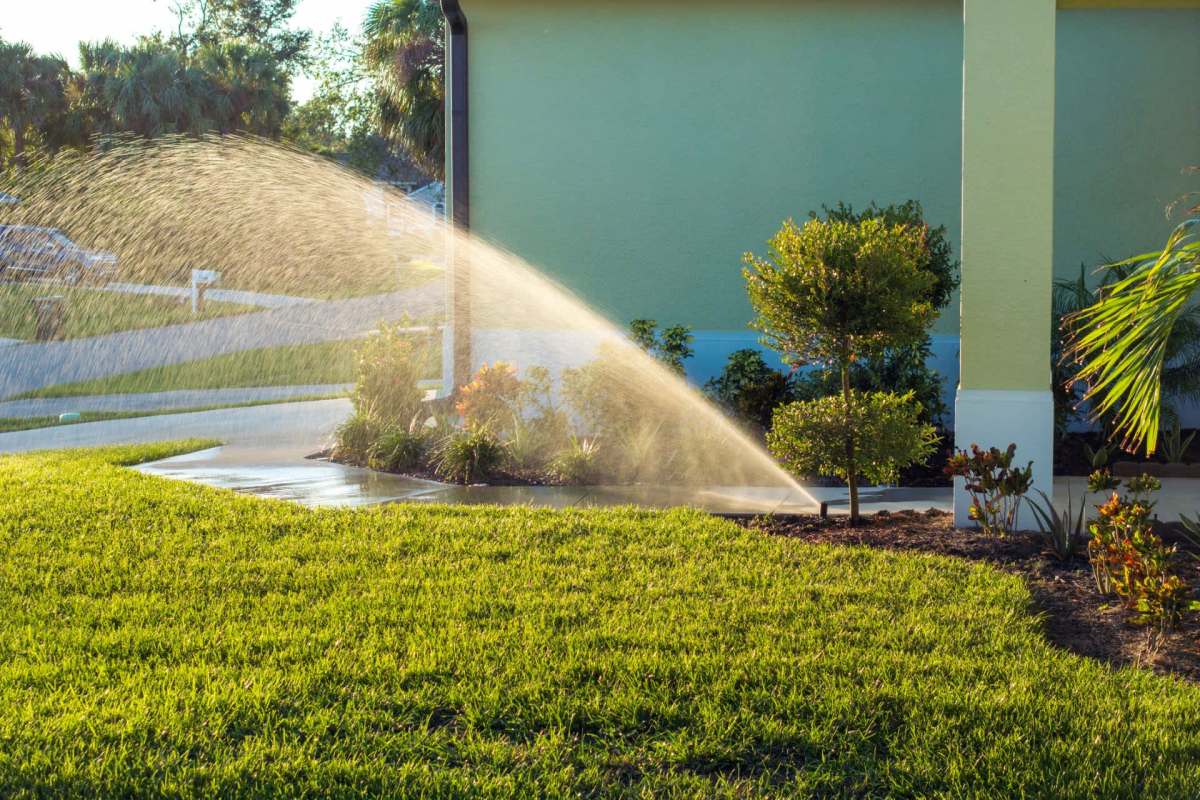
Across the Inland Northwest, a green summer lawn is no longer automatically seen as a point of pride. Rising heat and drier conditions are putting more pressure on water supplies, leading more homeowners to replace thirsty grass with landscaping that needs far less irrigation.
What's happening?
Inlander examined how much water a standard lawn can require in the Spokane, Washington, area and highlighted growing interest in alternatives such as xeriscaping and native plants.
With long sprinkler runs a common part of trying to keep grass green through intense heat, homeowners can use a substantial — and expensive — amount of water.
In 2020, the Water Wise conservation program estimated that the average Spokane household guzzles through 553 gallons of water per day outdoors — a figure that contributes to the city's top 2% ranking in residential water use nationwide, according to Inlander.
Because of that, more residents are reconsidering the usual approach to lawns. Rather than continuing to devote resources to turf that struggles in dry weather, many are looking into landscapes that fit local conditions better and are often easier to care for.
Why does it matter?
Cost and convenience are major reasons why homeowners are replacing some or all of their conventional lawns.
TCD Picks » Quince Spotlight
💡These best-sellers from Quince deliver affordable, sustainable luxury for all




A yard centered on xeriscaping or plants suited to the local climate usually requires much less work than a lawn that needs repeated watering and trimming to make it through summer.
Yards that use less water can help reduce strain on local supplies during the hottest months, particularly in a region that saw near-record low snowpack. In April, the Washington State Department of Ecology announced the fourth statewide drought emergency since 2015.
"If you look at our mountains, the challenge we are facing is clear," Gov. Bob Ferguson said. "We're taking emergency action to protect fish, farmers and communities across Washington."
Homeowners can be part of the solution while reaping benefits for themselves. Even swapping out only part of a lawn can make a meaningful difference while still leaving some green space for pets or play. And local plants also offer food and shelter for pollinators and other wildlife.
What can I do?
In Spokane, the city's SpokaneScape program has introduced more water-efficient designs to more than 500 yards since 2018, according to Inlander.
"What we're seeing is that homes that do complete the SpokaneScape conversion use about 15% less water than the residential average," Public Works communication manager Kirstin Davis told the outlet. Interest in the program has also skyrocketed as the word has spread.
For one South Hill resident, a constant battle with a yellowing lawn was enough for her to slowly make the switch. Now, Pam Strickland's micro clover only needs mowing every three weeks.
Regardless of location, you do not need to redo an entire yard to start seeing results. Even smaller updates can begin lowering water use and reducing maintenance needs right away.
If you are thinking about making a change, it can help to begin with the areas of your yard that are most difficult to keep green. Over time, those incremental improvements can mean less yard work and a landscape better prepared for dry conditions.

Get TCD's free newsletters for easy tips, smart advice, and a chance to earn $5,000 toward home upgrades. To see more stories like this one, change your Google preferences here.






