


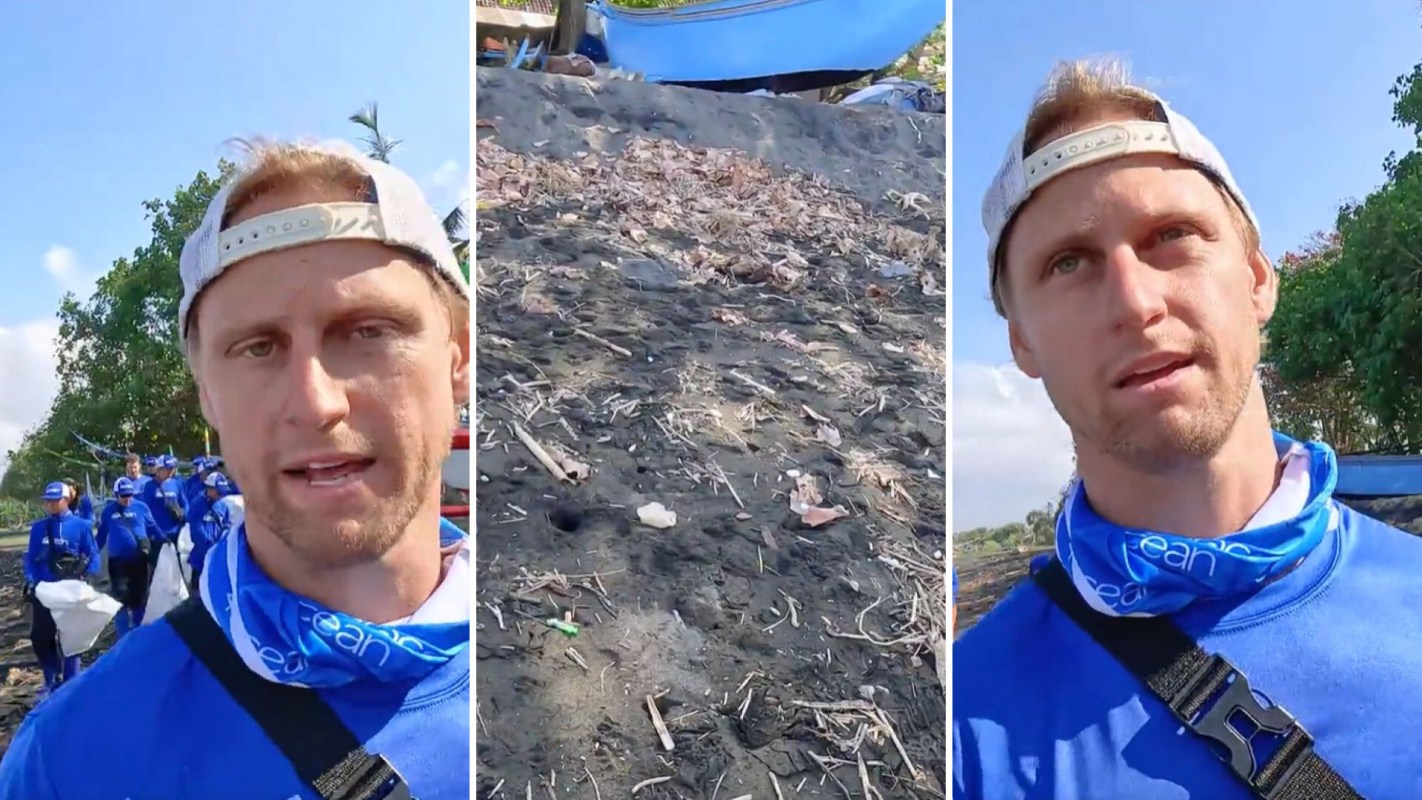
A practical message from ocean cleanup crews is resonating online: If the goal is to stop microplastics, the best place to start is with larger plastic items that will eventually break apart.
That strategy may not look perfect in the moment, but crews say it can create the biggest impact with limited time and resources.
What's happening?
A recent TikTok from a creator at 4ocean took on a question viewers often raise after spotting tiny bits of plastic still left on beaches and in the water.
@alexjschulze We try to pick up as much trash as we can but once it is broken down it is a lot harder to get it all. The fastest way to stop microplastics is to remove the bigger plastics before they break down. That's how we create the biggest impact with the time we have. #4ocean #oceancleanup #microplastics #plasticpollution #sustainability ♬ original sound - Alex Schulze
While cleanup crews with the ocean cleanup organization try to get as much trash off of coastlines as possible, the creator noted that they prioritize large pieces.
Rather than starting with every small fragment, cleanup teams prioritize bottles, foam containers, and other larger debris that could later splinter into even more fragmented pollution. As the creator put it, "the fastest way to stop microplastics is to remove the bigger plastics before they break down."
Trying to gather each visible piece, the creator said in the video, could take crews "hours and hours and hours on just a small coastline." So teams often choose to cover more area and remove bigger items before they break down into pollution that is even harder to collect.
TCD Picks » Quince Spotlight
💡These best-sellers from Quince deliver affordable, sustainable luxury for all




Why does it matter?
The job becomes much harder once plastic has already broken into microplastics, because collecting tiny pieces takes much more labor. When those fragments spread across beaches and waterways, cleanup can become slower, more expensive, and less effective.
Cleaner shorelines can help protect marine animals, support safer recreation, and reduce the chances of plastic entering the food chain. Limiting plastic pollution earlier may also help reduce human exposure to tiny plastic particles that have been found in water, food, and even the body.
Removing one bottle or foam container from the environment now may stop countless smaller fragments from forming later, saving cleanup crews and local communities time and money.
What can I do?
Supporting beach cleanups, joining local litter-pickup events, and properly disposing of bottles, bags, and food containers can help keep larger debris from becoming pollution.
Reducing plastic use at home can also make a real difference, especially for items that are used briefly and discarded quickly.
Consumers can also support companies and policies that cut unnecessary packaging and improve waste collection. Those changes can make daily life cleaner and reduce the public costs tied to repeated shoreline and storm-drain cleanups.
For crews already out doing this work, prevention and reach still guide the strategy. As the creator explained, "we're trying to have the most impact with the resources that we have available."

Get TCD's free newsletters for easy tips, smart advice, and a chance to earn $5,000 toward home upgrades. To see more stories like this one, change your Google preferences here.






