


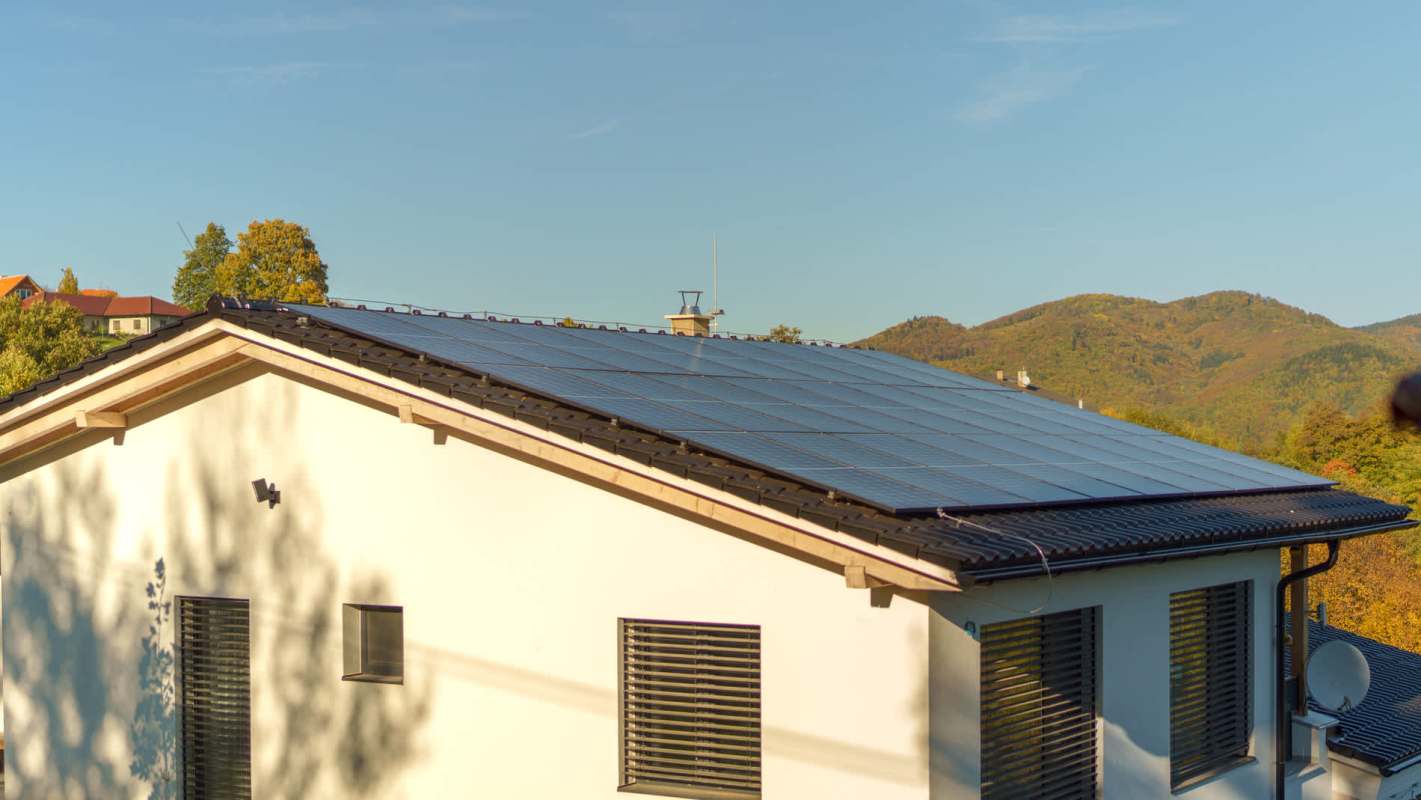
Idaho has officially switched on a major new solar farm capable of generating enough electricity to power up to 25,000 homes.
However, nearly all of that new clean energy is already accounted for by Meta, which plans to use it for its massive new data center.
What happened?
According to a report from the Idaho Statesman shared by The Spokesman-Review, Eastern Ada County added 125 megawatts of power this week when Salt Lake City-based rPlus Energies began operating the Pleasant Valley 2 solar farm.
Through an agreement involving Idaho Power and Meta, the project will supply part of the electricity for Meta's planned $800 million Kuna data center.
According to the outlet, Pleasant Valley 2 is one of three solar projects tied to the facility. Idaho Power spokesperson Sven Berg told the Idaho Statesman that Meta is set to buy the full output from those plants and cover part of the broader transmission costs as well.
Together, Pleasant Valley 1, Pleasant Valley 2, and the future Blacks Creek project are expected to provide 725 megawatts of peak capacity.
TCD Picks » Quince Spotlight
💡These best-sellers from Quince deliver affordable, sustainable luxury for all




For one customer, 725 megawatts of peak capacity is a striking amount of new generation, especially in a state that ranks just 34th nationally for installed solar capacity.
"We have significant need — anyone from Idaho, you know that," Idaho Power Resource Development Director Eric Hackett told the Idaho Statesman. "It's essential that we bring projects like Pleasant Valley 2 online to serve customers safely, reliably and affordably, and this does all three."
Why does it matter?
Idaho's electric system is under increasing strain because demand for power is rising quickly.
The Idaho Statesman reported a 2025 planning document that projects almost 45% growth in peak demand over the coming 20 years, while Idaho Power says demand is rising 8% a year over the next five — far faster than a decade ago.
Utilities need enough electricity to keep homes cool during heat waves, keep businesses running, and avoid more costly emergency measures.
New solar can help by adding power without fuel costs, which can reduce exposure to the price swings associated with coal and gas.
There are environmental and public health benefits as well. More solar on the grid can mean less reliance on polluting energy sources, helping reduce emissions that worsen air quality and contribute to heat-trapping pollution.
Hackett said Pleasant Valley 2 will benefit customers "big and small," even though the project was designed with a major energy user in mind.
What's being done?
rPlus says, as reported by the Idaho Statesman, its Idaho investment tops $750 million, and the company's president, Luigi Resta, said Pleasant Valley 2 by itself amounts to about $175 million of "investment into the community."
The next project, Blacks Creek, is projected to add 400 more megawatts by late 2027 and account for another $650 million, the outlet noted.
Utility-scale solar can come online relatively quickly compared with many other power sources. Maile Resta, spokesperson for rPlus Energies, said to the Idaho Statesman that solar remains "super fast to deploy" compared to other forms of generation.

Get TCD's free newsletters for easy tips, smart advice, and a chance to earn $5,000 toward home upgrades. To see more stories like this one, change your Google preferences here.






