


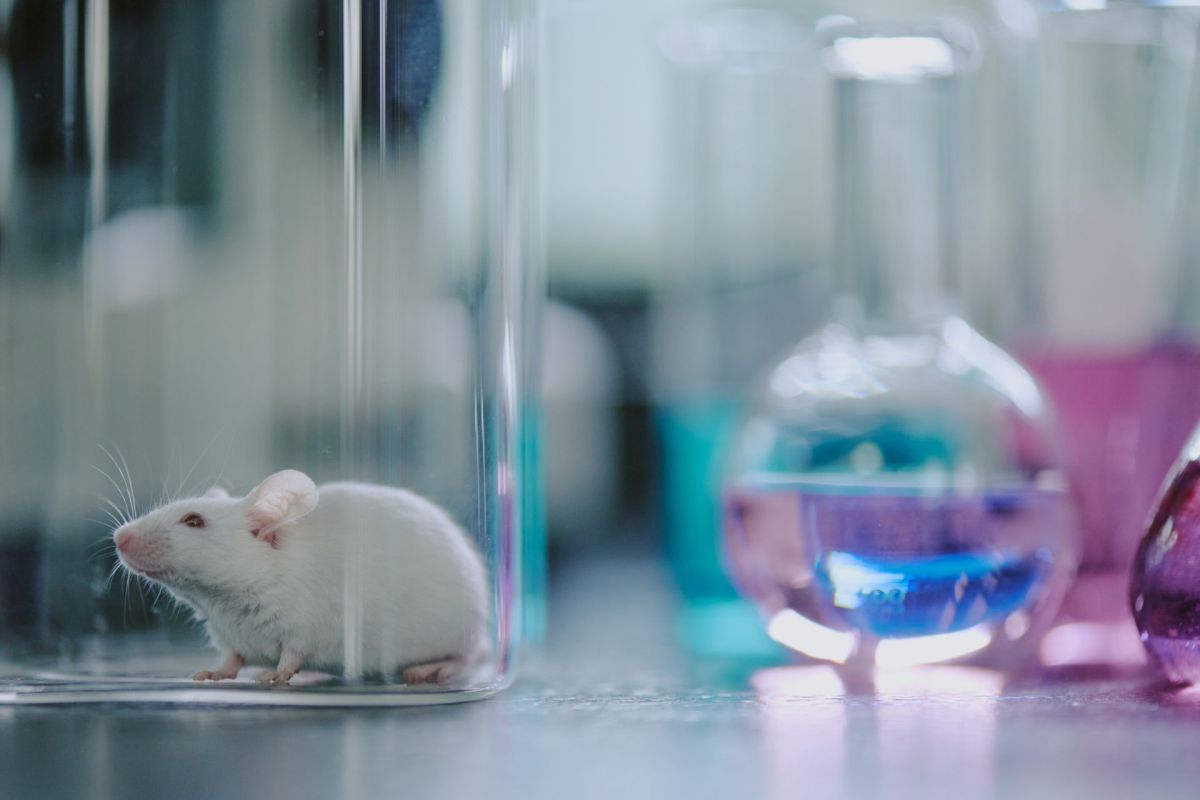
Federal efforts to update how medicines are vetted in the United States took a significant step forward when the House passed legislation designed to steer drug-testing policy away from animal studies and toward newer nonanimal approaches.
What happened?
This week, the House approved the FDA Modernization Act 3.0. The bill would direct the Food and Drug Administration to revise regulations that still reference animal testing, even though federal law already permits nonanimal methods, Fierce Biotech reported.
It follows the FDA Modernization Act 2.0, enacted in 2022, which removed the long-standing requirement that investigational drugs be tested in animals before human studies could begin.
Supporters say the new bill is meant to clean up outdated language that can still slow broader adoption of alternative testing tools.
The agency also outlined that direction in 2025, when it issued a three- to five-year roadmap aimed at making animal studies uncommon rather than standard.
The bill's next stop is the Senate, and if it passes there, it would go to President Donald Trump.
TCD Picks » Quince Spotlight
💡These best-sellers from Quince deliver affordable, sustainable luxury for all




Why does it matter?
The debate is not just about lab procedures. It could eventually affect how quickly new medicines are developed, how much drug development costs, and how accurately early safety testing reflects what actually happens in the human body.
Animal welfare advocates have also framed the issue as both a scientific and ethical turning point.
Wayne Pacelle, president of the Center for a Humane Economy, said the nation can now "embrace scientifically superior methods that can speed the development of safer medicines, reduce costs, and spare countless animals from counterproductive testing on them."
Supporters argue that updating federal rules can help move those methods from the margins into standard practice.
The bill fits into a broader shift toward using technology to reduce waste, improve efficiency, and limit harm — whether in medicine, manufacturing, or food systems.
What's being done?
The Senate still has to approve the bill the House passed.
If it does, the FDA would face greater pressure to bring its regulations in line with current law and the agency's own modernization goals.
Congress started that shift with FDMA 2.0 in 2022, and the FDA's 2025 roadmap points toward a preclinical system in which nonanimal testing plays a much larger role.
Supporters say that combination — policy change plus scientific innovation — is what could finally turn a long-discussed idea into standard practice, according to Fierce Biotech.
Bill sponsor Rep. Buddy Carter, a Republican from Georgia, described it this way: "The House passage of the FDA Modernization Act 3.0 marks a major step toward a more modern, effective, and humane system for evaluating medicines."

Get TCD's free newsletters for easy tips, smart advice, and a chance to earn $5,000 toward home upgrades. To see more stories like this one, change your Google preferences here.






