


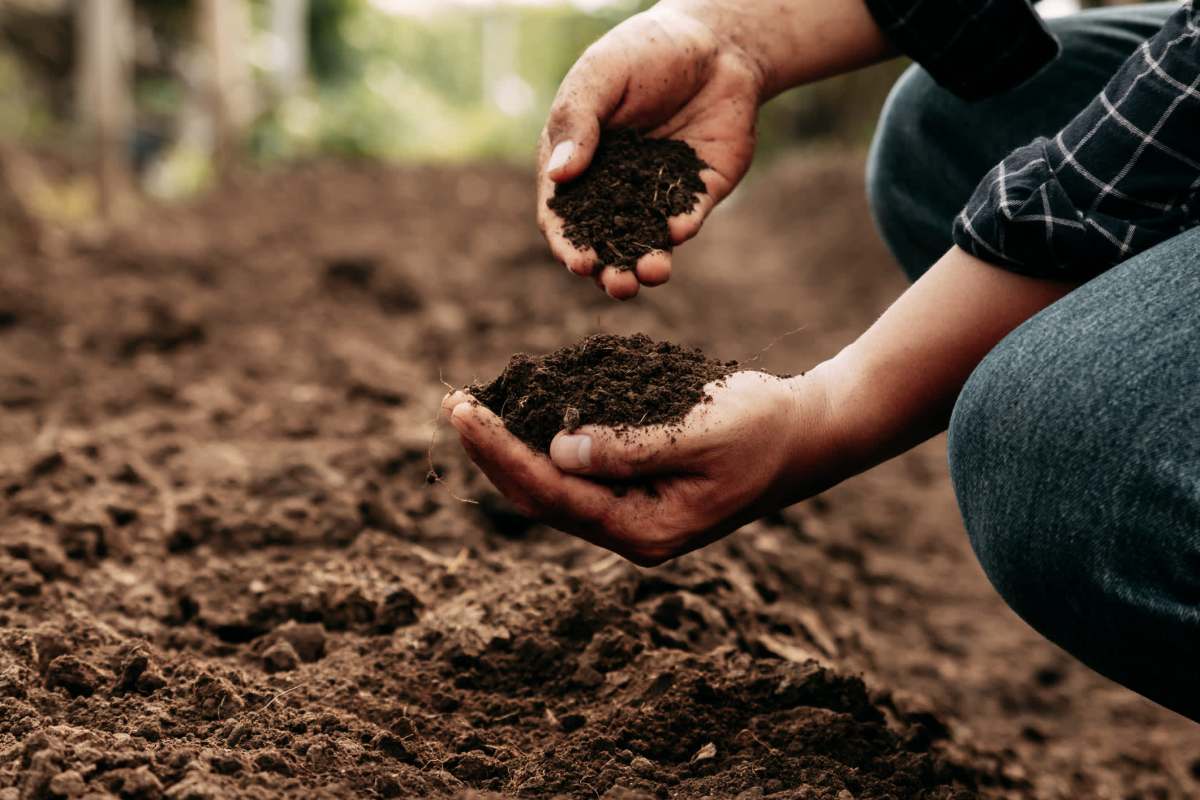
A popular gardening tip says wild soil can jump-start a worn-out bed. Soil from forests, prairies, and marshes is often sold as a shortcut to more microbial life, stronger plants, and heavier harvests.
Creator Gardening in Canada (@GardeningInCanada), who is trained in soil science, says the outcome is much less mysterious.
What's happening?
Ashley, the creator behind the channel and a soil science graduate, examined whether adding microbes from wild areas to compost or garden beds is actually effective.
She says the importance of soil life is not in doubt.
"Microbes are incredibly important," she declares. However, she warns that their importance does not make every inoculation trick a lasting solution.
To explore that, she looks not only at moving soil from forests, prairies, and wetlands, but also at other commonly suggested additions such as molasses, sugar, yeast, oatmeal, beer, and soda.
TCD Picks » Quince Spotlight
💡These best-sellers from Quince deliver affordable, sustainable luxury for all




Those materials can trigger a short burst of biological activity, she says, without necessarily creating the stable, diverse, and resilient soil ecosystem gardeners are hoping for.
"Introduction of microbes are not a one time fix, several applications throughout the season is the best practice when inoculating your soil," one commenter responds.
Why does it matter?
Healthy soil can lead to bigger harvests, better-tasting produce, and lower grocery bills.
Growing food at home can also support mental and physical well-being by encouraging people to spend more time outdoors, stay active, and eat more fresh food.
However, misleading garden advice can steer people toward expensive or ineffective fixes instead of the basic practices that actually improve soil over time.
She explains that molasses can help speed up composting, but too much may create low-oxygen conditions and leave the pile smelling bad. White sugar can also cause a short-lived microbial burst, though Ashley says that response may pull nitrogen into microbes in ways that do not benefit plants over time.
So for people growing tomatoes, herbs, berries, or leafy greens, the evidence points more toward steady soil-building than one-time garden hacks.
What can I do?
Her recommendations focus on giving soil organisms the conditions they need in terms of organic matter, moisture, mulch, and a variety of plants.
She says compost and manures, along with moisture and mulch, help microbes thrive, while a wider mix of plants tends to support a wider mix of beneficial soil life.
Home gardeners may get more value from building compost properly and planting more diversely than from searching for miracle inoculants.
That does not mean every additive is useless. Ashley says in the video that expired baking yeast can still go into compost or the garden, and that oatmeal may help in especially depleted soils.
As Ashley put it: "Good soils, healthy soils, aren't simply built via small spurts of microbial frenzies."

Get TCD's free newsletters for easy tips, smart advice, and a chance to earn $5,000 toward home upgrades. To see more stories like this one, change your Google preferences here.






