Cape Town in 2018, after years of drought, came dangerously close to "Day Zero," the point at which the city expected to be completely out of water.
Officials have since worked to reduce the risk of future drought emergencies by taking on one of the region's thirstiest competitors: invasive trees.
What's happening?
For the roughly 4 million people who depend on the Cape Town region's water system, a key problem was not too few trees but too many. According to a report from The Nature Conservancy, while trees are usually beneficial to water tables, non-native species can use more water than they help protect.
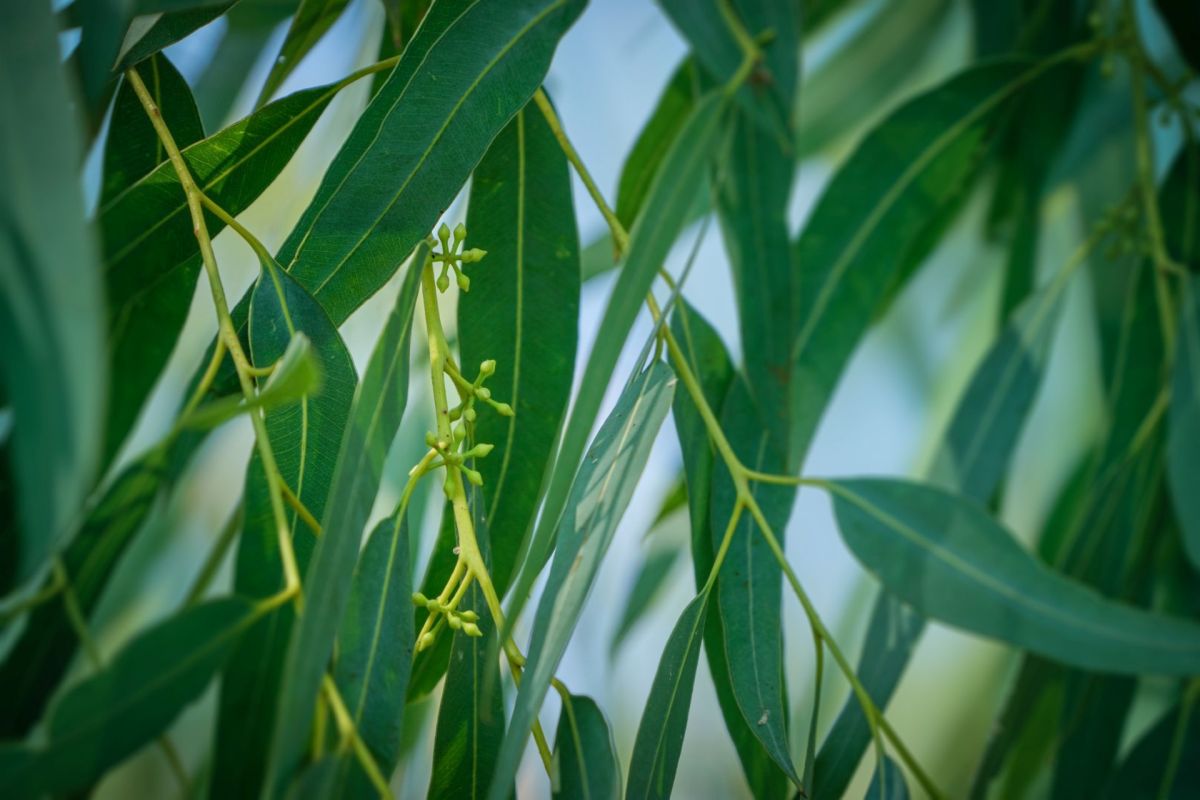
The team, led by The Nature Conservancy and the Greater Cape Town Water Fund, specifically targeted invading pine and eucalyptus trees.
Compared with the region's native fynbos vegetation, those non native trees use far more water, which means less reaches rivers and dams.
According to The Nature Conservancy, research found that removing them could recover as much as two months of the city's yearly water supply at about 10% of the per-unit cost of alternatives such as desalination and groundwater exploration.
TCD Picks » Quince Spotlight
💡These best-sellers from Quince deliver affordable, sustainable luxury for all




Project figures say that, eight years on, clearing efforts have reached more than 101,270 acres, adding over 9.5 billion gallons of water each year to streams that flow into regional dams.
At first, trained local crews removed trees by hand, sometimes rappelling down steep mountainsides to do it, but progress was slow. Partners later added controlled burns in areas that were difficult to access.
As Kirsten Watson, who manages the water fund for The Nature Conservancy, explained in the report, "This is a fire-driven ecosystem."
"The strategic use of fire through controlled burns and planned follow-up manual treatments doesn't just reduce invasive plant densities; it can help regenerate native species as well," Watson added.
Why does it matter?
As droughts become more severe in a warming world, the project affects whether homes, schools, hospitals, and businesses can count on reliable water supplies.
It also points to a broader idea: restoring ecosystems in upstream regions can strengthen water security for cities downstream, often for less money than large engineered options.
The water benefits are only part of the story. Invasive trees had been displacing fynbos, a globally distinctive plant community with thousands of species, many found nowhere else on Earth. Bringing that habitat back helps both the ecosystem and the people connected to it.
The effort also provides training and jobs for local workers, making conservation part of the regional economy rather than a distant environmental aspiration.
What's being done?
Using controlled burns took years of preparation and coordination. Before any fire was set, crews cleared grasses and shrubs to create fire lines, and The Nature Conservancy described that advance work as essential for guiding burns safely.
In one instance reported by The Nature Conservancy, an unexpected wildfire then broke out in an area that had already been prepared for a controlled burn. Because the groundwork was in place, partner groups were able to help steer the blaze into the zones they had intended to treat.
Once the fire was over, teams monitored the area, counted how many trees had been lost, and tracked the return of native vegetation. In the months that followed, they reported fynbos regrowth and the return of seeps, natural pools of water that provided a visible sign of recovery.
Funding is now the next major hurdle. In April 2026, the Cape Water Performance-Based Bond launched about $150 million to support ongoing invasive-tree removal. The Nature Conservancy says the bond is expected to free up about $8 million for the work, giving the restoration project a stronger financial base and offering a model other water-stressed regions could follow.
Louise Stafford, country director for The Nature Conservancy in South Africa, said the new bond "breaks new ground for investors and conservationists alike."

Get TCD's free newsletters for easy tips, smart advice, and a chance to earn $5,000 toward home upgrades. To see more stories like this one, change your Google preferences here.