


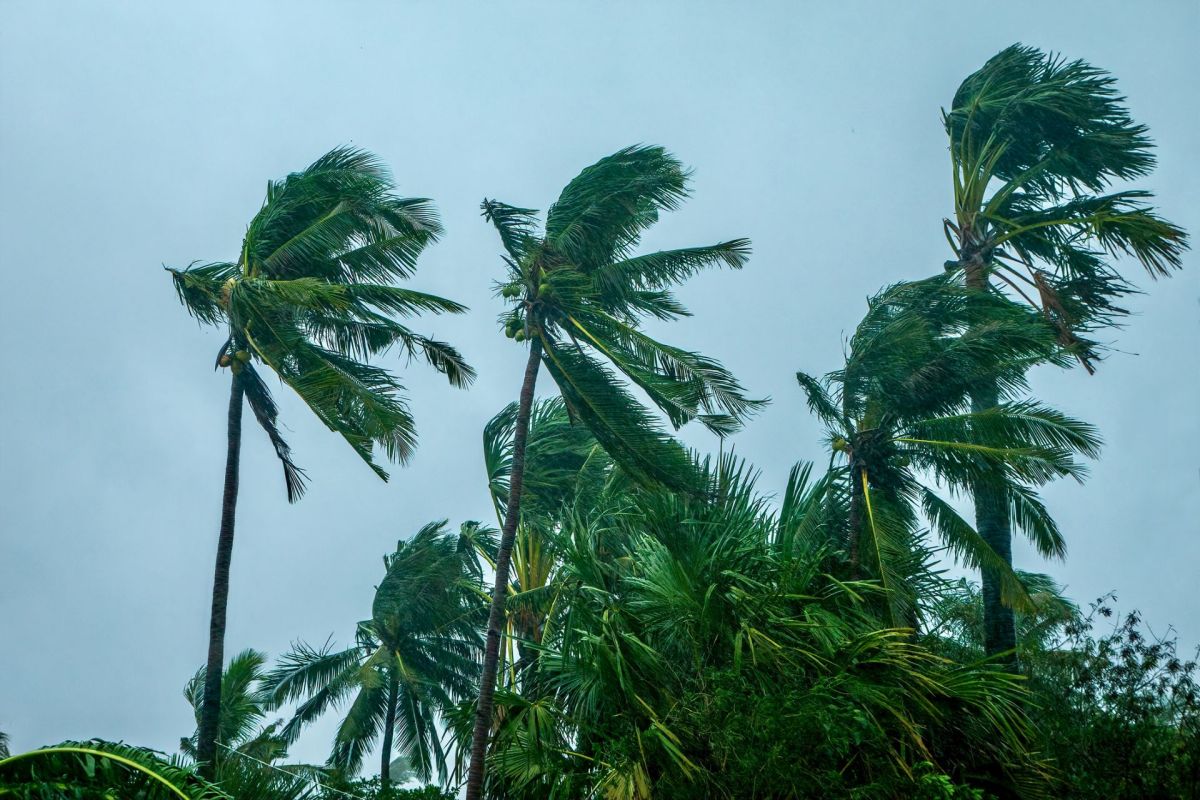
Visitors in Hangzhou, China, can now pay to enter an artificial typhoon environment that blasts them with 103-mph winds, intense rain, and encroaching floodwater.
The experience is part adrenaline rush and part preparedness drill at a time when severe weather is becoming harder for communities to ignore.
What's happening?
According to Reuters, in a report carried by Daily Express, a disaster education venue in Hangzhou charges 1,599 yuan, roughly $235, for a day of storm-simulation training.
At the Lvxing Disaster Simulation Training Center, visitors suit up in wetsuits and helmets and move through the exercise with safety staff nearby as wind and rain hammer the course. The company says the attraction is the "first of its kind worldwide" focused on typhoon training.
Reuters said the typhoon setup can generate gusts of up to 103 mph, while drenching participants with heavy rain. Elsewhere in the center, almost 1,000 tons of water are used to mimic mountain flooding, and a model urban area fills with 440 tons of water deep enough to range from thigh level to shoulder height.
Since the center opened in May 2025, more than 160,000 people have taken part, Reuters reported. Reports also say China plans five more locations over the next three years, with future facilities expected to add disaster scenarios such as fires and earthquakes.
TCD Picks » Quince Spotlight
💡These best-sellers from Quince deliver affordable, sustainable luxury for all




Why does it matter?
The idea may seem over the top, but it arrives as weather risks intensify in China and elsewhere. The country's National Climate Center says as many as six typhoons could develop in the Northwest Pacific and South China Sea in July, above the usual average of 3.8.
Storms are not just dramatic weather events. They can disrupt daily life, force evacuations, destroy homes, and leave families with enormous rebuilding costs. When Typhoon Bavi neared eastern China, officials moved over 1.7 million people and issued high-level alerts.
Scientists say climate change driven by human activity is contributing to stronger storms and more common coastal flooding as sea levels climb. Those trends also raise risks for public health, insurance costs, infrastructure, and already-strained healthcare systems when disasters lead to injuries, respiratory problems, and contaminated water.
What can I do?
Most people do not need to pay for a storm simulation to be better prepared. Precautionary steps include signing up for local emergency alerts, reviewing evacuation routes, storing backup batteries and drinking water, and keeping important documents in a waterproof container.
Modernizing your home can help lower energy bills while reducing indoor air pollution from gas appliances, which can quietly worsen respiratory issues over time — a hidden health burden that can feel even heavier when families are stuck indoors during storms or heat waves.
After flooding or extended power outages, it can also help to be cautious about cleanup choices. Harsh chemical products can add unnecessary exposure risks, so using safer supplies, improving ventilation, and wearing protective gear can reduce the toll on your health while you deal with the immediate damage.

Get TCD's free newsletters for easy tips, smart advice, and a chance to earn $5,000 toward home upgrades. To see more stories like this one, change your Google preferences here.






