


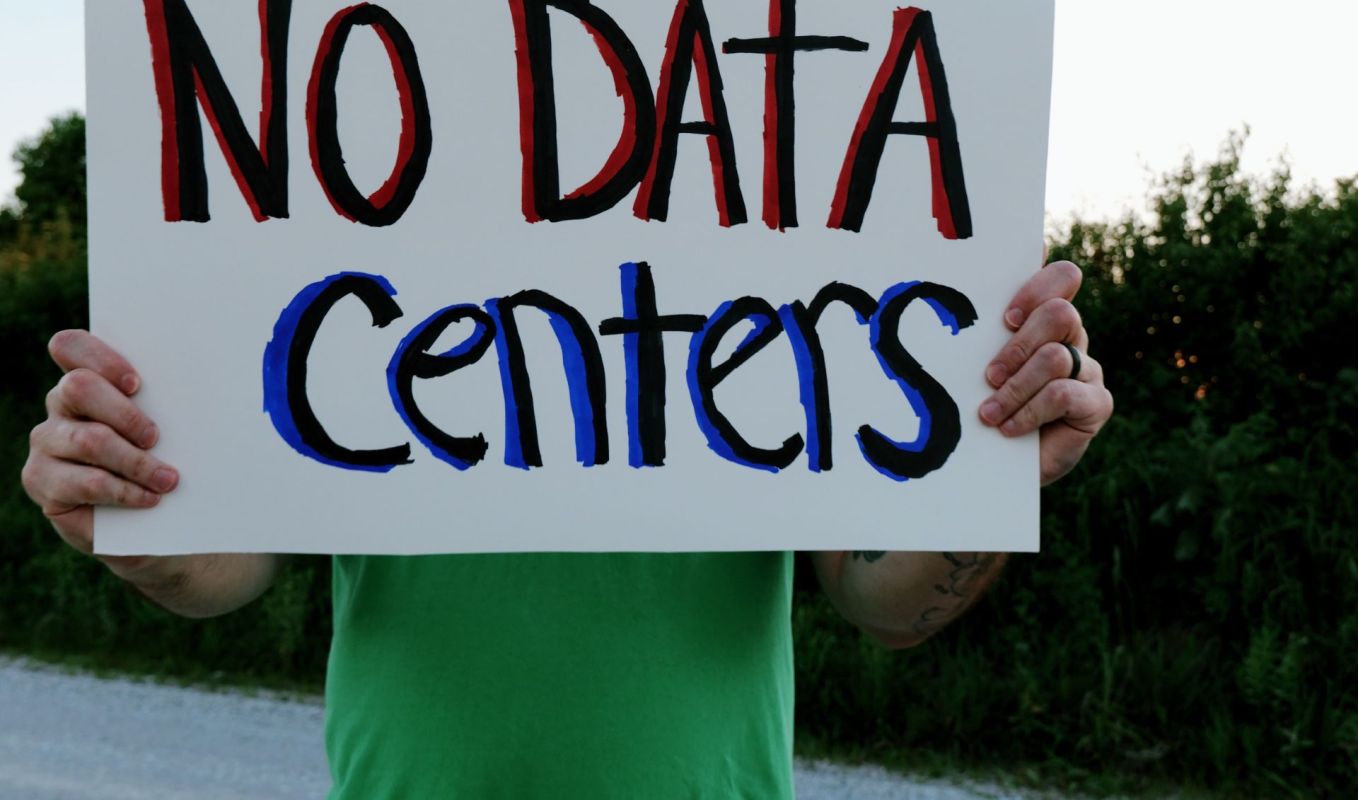
Officials in Edgerton, Kansas, have moved an $860 million data center proposal closer to construction, while residents who oppose it continue to push back.
At the city's last meeting on July 16, the city council approved the proposed data center project, although more needs to be reviewed in the next meeting in August, the Kansas City Star reported.
What happened?
At the special meeting on July 16, the Edgerton City Council gave unanimous approval to DAMAC Digital's proposed site plan for a data center at Logistics Park Kansas City, setting aside an earlier Planning Commission denial.
Edgerton would host DAMAC Digital's first U.S. data center, although it has similar projects underway in 12 countries, according to the Kansas City Star. The DAMAC Group division says the facility would support AI, cloud, and enterprise workloads.
The Planning Commission denied the plan on June 9 after a dispute over whether the exterior fuel tanks complied with rules requiring below-ground placement. At the appeal hearing, however, DAMAC representative Charles Renner, a leader of a development/public-private partnership sector group in Husch Blackwell's Kansas City office, argued that the setback shouldn't have stopped the project.
"They found a problem that did not exist," Renner said, the Kansas City Star reported.
TCD Picks » Quince Spotlight
💡These best-sellers from Quince deliver affordable, sustainable luxury for all




Why does it matter?
Some Edgerton residents remain skeptical.
"Until that data center is in place, until this is finally gone through and this is done, there is still a fight left to be had, and that is our goal," Kimberly Twente, one resident, said.
Residents have also raised concerns about transparency and possible conflicts of interest.
Data centers are becoming central to the AI boom, and they're increasingly affecting local power grids, water systems, land use, and household costs.
While AI can improve grid management, forecast renewable energy output, and make clean energy systems more efficient, AI infrastructure can also come with major tradeoffs. This includes massive electricity demand, heavy water use for cooling, backup diesel systems, cybersecurity risks, and the possibility that utility upgrades could eventually contribute to higher energy bills for residents.
What's being done?
DAMAC has tried to address public concern by holding a community Q&A and posting FAQs on a website for the development. Still, some residents said their questions were answered "in circles," and frustration appears to be growing rather than fading.
After the approval, residents gathered outside City Hall to discuss next steps and voice concerns about the terminology used around the fuel tanks during the process. Twente's nonprofit, Public Trust Collective, is raising money to hire an attorney and continues to organize opposition.
"We're not going to stop fighting this until we have been told there is nothing else we can do," Twente said.
"They repetitively bounced back and forth between below grade and underground. Those things are not the same," Kailey Dressler, one of the residents at the meeting, said.
"I think people need to get more angry," Ezra Winslow, another resident, said. "I don't think people are angry enough."

Get TCD's free newsletters for easy tips, smart advice, and a chance to earn $5,000 toward home upgrades. To see more stories like this one, change your Google preferences here.






