


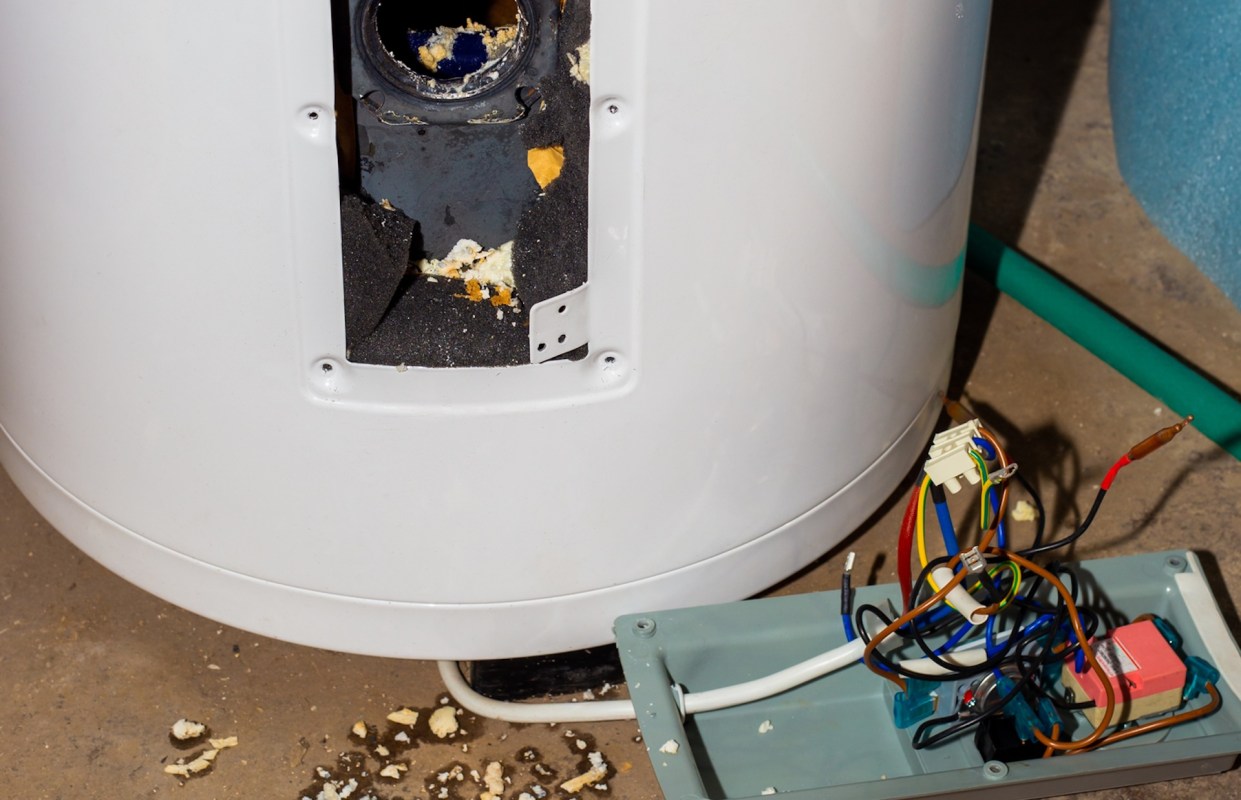
In Ottawa, the aftermath of an early July storm has left some residents without hot water at home for days.
Among those affected is a 91-year-old resident whose water heater was damaged by floodwater and is not expected to be repaired for several days.
What's happening?
Since the July 1 flooding, some people in Ottawa have been waiting for service appointments or replacement units before hot water can be restored, according to CBC News. The delays have been especially difficult for older residents.
One of the cases CBC highlighted involves a 91-year-old man who was told he would have to wait several more days before his water heater could be fixed.
The storm's effects have reached thousands of households. CBC reported that more than 4,500 Ottawa residents have reported flooding or sewer backups connected to the downpour, leaving many families to sort through repairs, insurance issues, and interruptions to daily routines.
Cleanup has also been unfolding during oppressive heat across the Ottawa-Gatineau region, making it even harder for residents to get their homes back to a safe and livable condition.
TCD Picks » Quince Spotlight
💡These best-sellers from Quince deliver affordable, sustainable luxury for all




Why does it matter?
Losing hot water may sound minor compared with major structural damage, but for many households it can quickly become a health, safety, and quality-of-life issue. People rely on hot water to use the bath and shower, to wash dishes, for laundry, and to help keep living conditions sanitary after a flood.
For older adults, the impact can be even more serious. Seniors, people with disabilities, and residents with fewer financial resources often face the hardest recovery.
When a single storm leaves thousands of residents reporting sewer backups and flooding, it raises questions about whether communities are equipped for worsening weather events.
The damage can linger in broken appliances, mold risks, repair backlogs, and bills that continue to climb long after the holiday is over.
What's being done?
In the storm's aftermath, city officials have been reaching out to people affected by flooding, while local councilors and members of provincial parliament have urged the province to provide more support.
For residents dealing with similar damage, documenting it right away can help: taking photos, keeping receipts, reporting sewer backups or flooding to the city, and contacting insurance providers as soon as possible. People without hot water should also ask repair companies about wait times, temporary options, and whether vulnerable residents can be prioritized.
Neighbors can play an important role, too. Checking in on older adults, helping them make calls, or assisting with cleanup can make a real difference when essential services are down.
Episodes like this add pressure for stronger stormwater systems, better emergency response coordination, and more resilient housing infrastructure.

Get TCD's free newsletters for easy tips, smart advice, and a chance to earn $5,000 toward home upgrades. To see more stories like this one, change your Google preferences here.






