


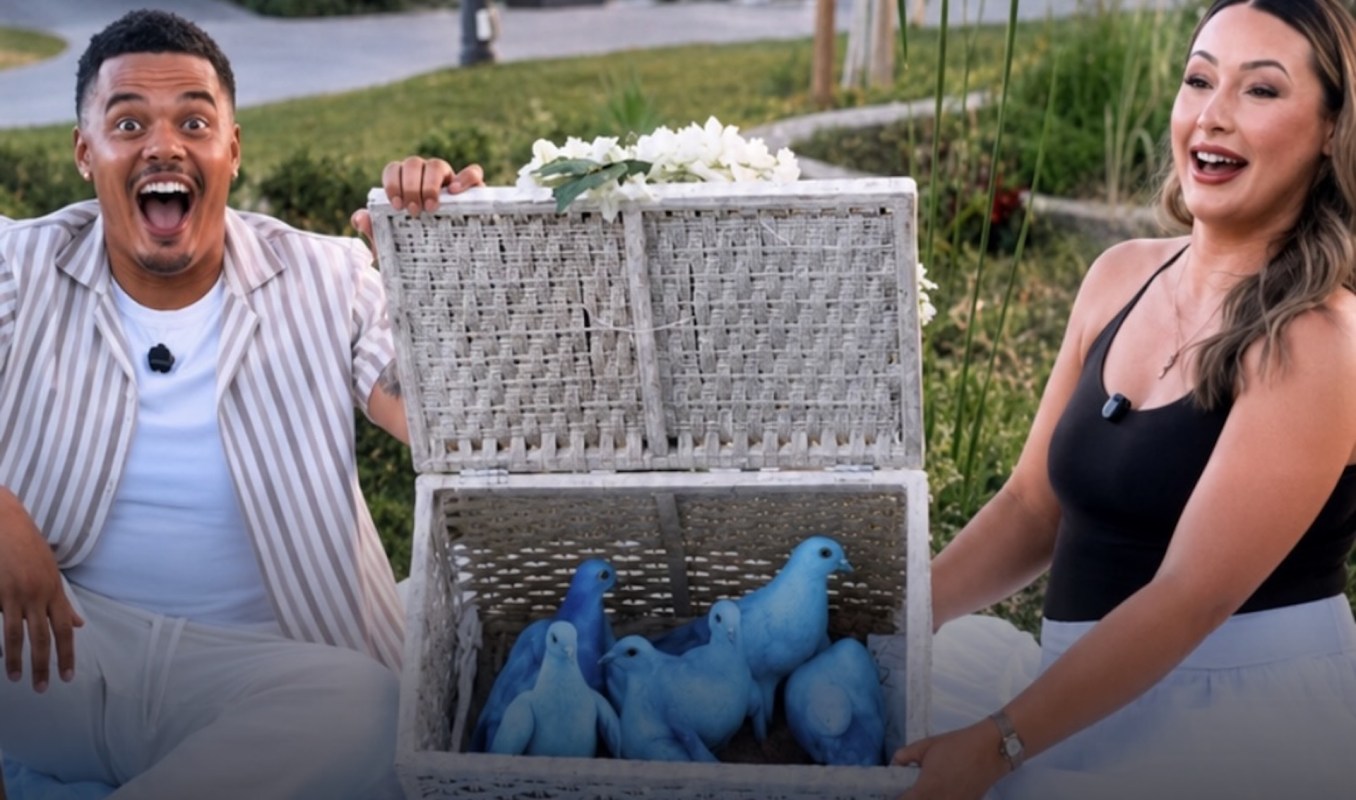
Reports that blue-dyed doves were released around Arizona's Salt River for a gender reveal have sparked outrage and concern among wildlife advocates and community members. For many people, the concern goes beyond the strange sight itself to the decision to use wildlife and a public natural area as part of a viral stunt.
According to an Instagram post by @downinnadesert, "If you spotted bright blue birds near the Salt River, there's an explanation, and it's a gender reveal."
What happened?
In the July 22 post, @downinnadesert said an Arizona influencer couple worked with Sacred Dove Release, a Queen Creek business, to release dyed-blue doves for the announcement.
At the center of the backlash is not just the spectacle, but the choice to involve live animals.
The Salt River area is widely known for outdoor recreation and wildlife viewing.
Many comments on Instagram agreed that incidents like this, where people put animals in danger for views, shouldn't be normalized. As one commenter wrote: "I'm so tired of these gender reveal parties. Just say 'it's a boy' or show blue balloons at your baby shower." Another user stated, "Y'all couldn't just cut a cake?"
TCD Picks » Quince Spotlight
💡These best-sellers from Quince deliver affordable, sustainable luxury for all




Why does it matter?
Gender-reveal stunts have a long history of going too far, but using animals adds another layer of concern. Even without a detailed veterinary assessment in the post, dyeing birds for a party raises immediate animal-welfare questions, from stress during handling to possible effects on flight, feather condition, and survival after release.
While Sacred Dove Release's owner claims to have used non-toxic food dye, this doesn't eliminate the fact that this behavior could hurt the doves.
As Down In The Desert states on Instagram, "Dyed release birds have shown up hurt or dead in other cities, and wildlife rescues have spent years asking people to leave animals out of gender reveals entirely. Non-toxic or not, a bird that can't blend in has a much harder time surviving the flight home."
It also points to a bigger issue: treating living creatures and outdoor spaces as backdrops for content. When viral moments are prioritized over care, the consequences are often borne by animals, local ecosystems, and communities that had no say in the stunt.
What can I do?
People who encounter birds that appear distressed, injured, or out of place should avoid chasing or handling them unless necessary and instead contact a licensed wildlife rehabilitator, local animal control agency, or bird rescue group for guidance. Quick reporting can matter when an animal has been released into an unfamiliar environment.
One Instagram user put it simply in the comments: "I miss the world before influencers."

Get TCD's free newsletters for easy tips, smart advice, and a chance to earn $5,000 toward home upgrades. To see more stories like this one, change your Google preferences here.







