


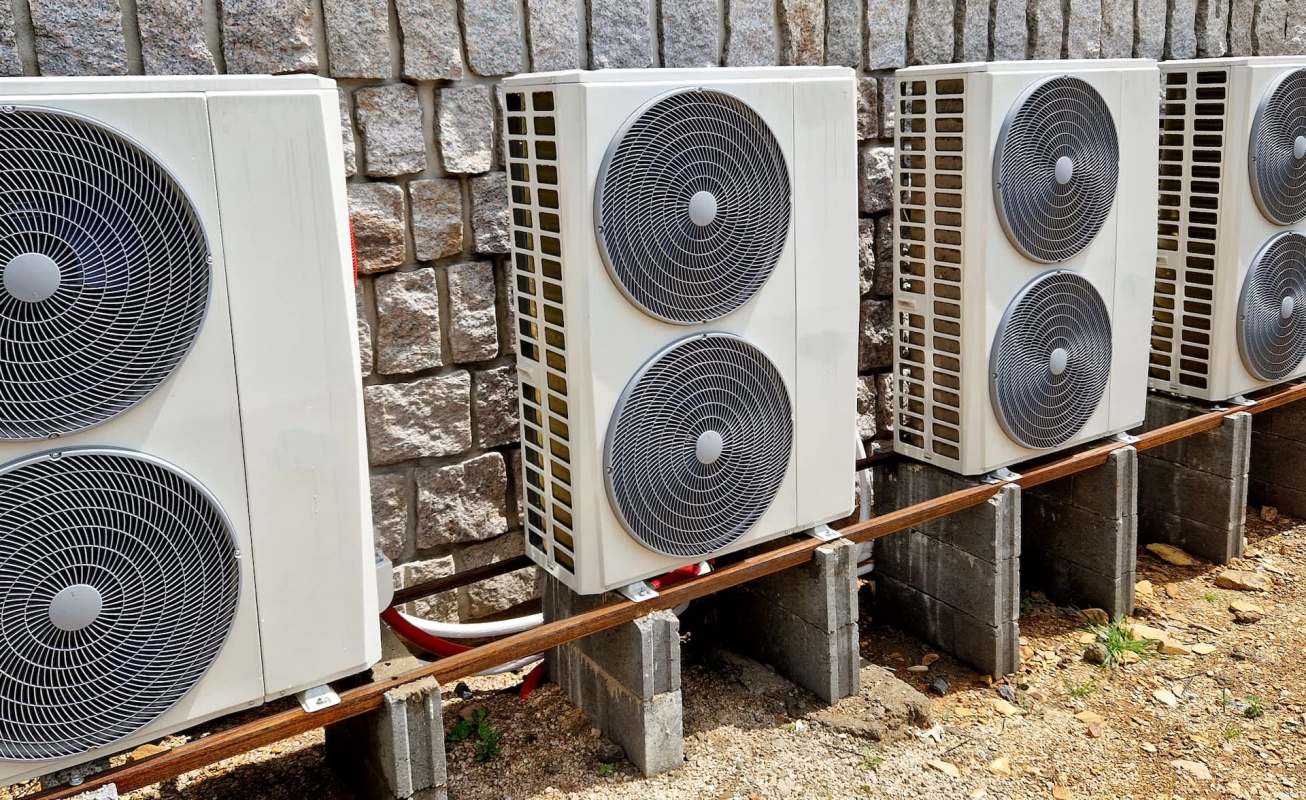
Across the Denver metro area, a new rebate may help households and businesses lower the cost of trading older furnaces and air conditioners for a cold-climate heat pump.
What's happening?
According to The Colorado Sun, the Denver Regional Council of Governments has launched a $1,500 Power Ahead Colorado rebate for qualifying heat pump installations.
The incentive is part of a $40 million effort spread over four years to cut emissions from buildings across the region.
Homeowners, businesses, and multifamily properties in Adams, Arapahoe, Boulder, Broomfield, Clear Creek, Denver, Douglas, Jefferson, Gilpin, and part of Weld County can use the program when installing a new heat pump or replacing an existing furnace or AC unit with one.
To qualify, the system must meet Energy Star standards and be installed by a Power Ahead Colorado-approved contractor.
Robert Spotts, who manages the program, said, "Buildings are the largest source of climate pollution in the Denver region."
He added, "The way we reduce that pollution is by making our buildings all electric and more efficient."
Why does it matter?
Heat pumps are far more energy-efficient than many traditional HVAC systems because they move heat rather than generate it. They can also provide both heating and cooling through a single system.
Save $10,000 on solar panels without even sharing your phone number Want to go solar but not sure who to trust? EnergySage has your back with free and transparent quotes from fully vetted providers in your area. To get started, just answer a few questions about your home — no phone number required. Within a day or two, EnergySage will email you the best options for your needs, and their expert advisers can help you compare quotes and pick a winner. Solar panels can save you more than $50k over their 25-year lifespan, and EnergySage can help you save as much as $10k on installation. Which begs the question — isn't that worth an email or two? |

That can translate into lower utility bills over time, especially when paired with tax credits and rebates like this one, and shoppers can compare options through EnergySage's Heat Pump Marketplace.
For people who do not need a whole-home setup, Merino offers single-room, ultra-efficient HVAC systems at a lower price point. The company's targeted heating and cooling option can be installed in under an hour.
The new rebate comes after Colorado's federal HEAR program stopped taking Front Range applicants in April.
The program had provided qualifying households with up to $8,000 toward heat pumps and another $4,000 for panel upgrades.
Even so, some experts say demand for heat pumps is still growing.
Neil Kolwey, Southwest Energy Efficiency Project's industrial program director, said, "With the HEAR rebates gone, the Power Ahead Colorado is more relevant, more important."
He added, "Still, the loss of the HEAR rebates shouldn't have a big effect; there is a lot of momentum in the market and still a reasonable amount of money in rebates."
What's being done?
In addition to the rebate, Power Ahead Colorado is providing free energy advisers by phone or email to help residents and businesses sort through electrification questions, heat pump options, and expected savings.
Spotts said, "We really want to be a resource to guide people through this major investment."
The $1,500 discount can be used alongside other available incentives.
Xcel Energy customers may also qualify for heat pump rebates of $300 to $700 per heating ton, and a 2026 bonus can raise that amount to as much as $2,250 per ton.
Emmett Romine, a vice president at Xcel Energy, said, "We're excited to see Power Ahead Colorado launch a heat pump rebate that, when combined with Xcel Energy rebates and others, helps make upgrading to a heat pump more affordable."
Power Ahead Colorado is developing an additional $50 million program that would offer 1,600 low-income households free heat pumps along with home energy upgrades.
And for homeowners looking to cut bills even further, EnergySage offers a free solar quotes comparison tool; with EnergySage's help, the average person can get nearly $10,000 in incentives for solar purchases and installations.
Anyone considering electrification can also use EnergySage's Heat Pump Marketplace to compare heat pump options.
"The way we reduce that pollution is by making our buildings all electric and more efficient," Spotts said.
Kolwey said, "There is a lot of momentum in the market and still a reasonable amount of money in rebates."

Get TCD's free newsletters for easy tips, smart advice, and a chance to earn $5,000 toward home upgrades. To see more stories like this one, change your Google preferences here.






