


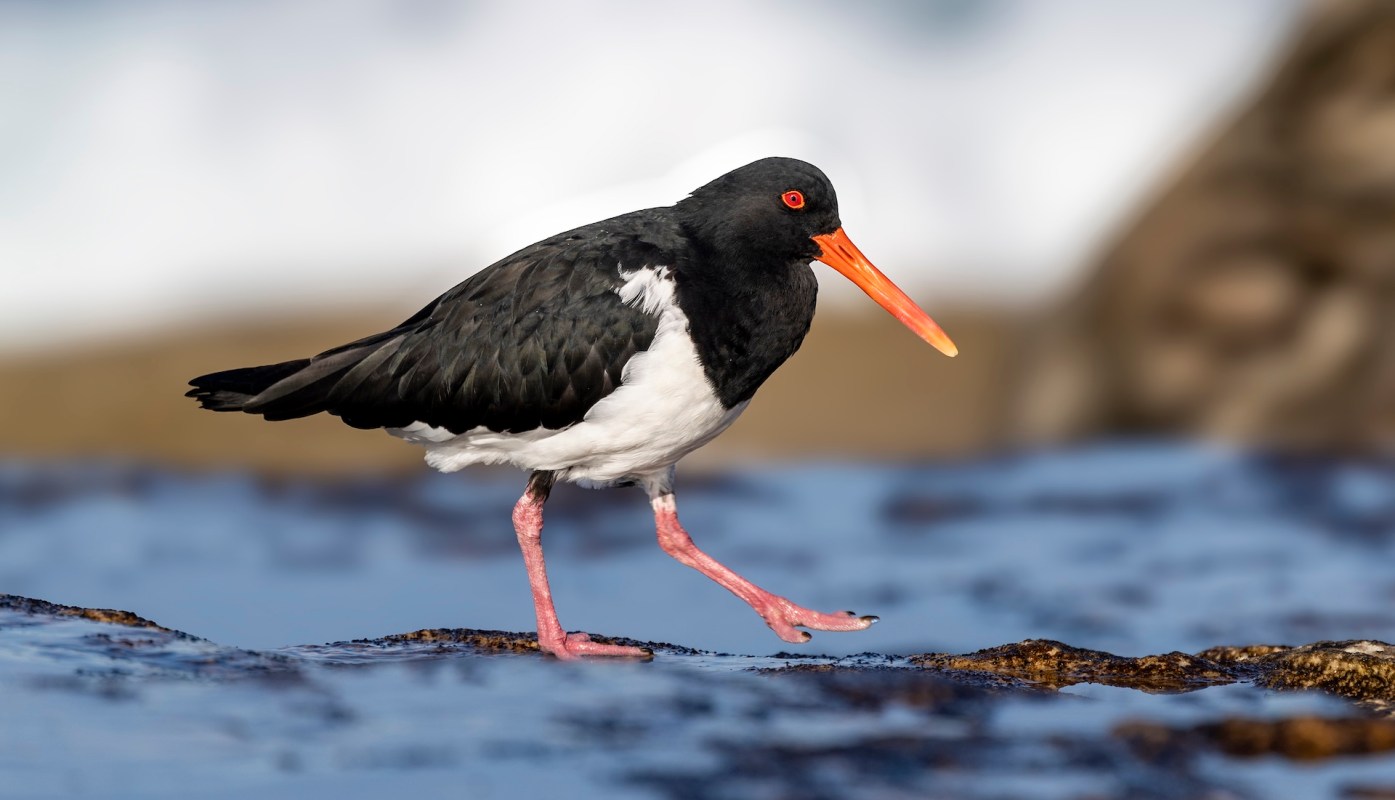
American oystercatchers, the football-sized birds with long legs and bright yellow and red bills, are making a comeback due to conservation efforts.
What happened?
According to WBUR, the easy-to-recognize birds were hit hard in the 1900s in New England as hunting and egg collection nearly wiped out the population.
However, as reported by WBUR, a coordinated conservation campaign has since helped turn that decline around. Over roughly a decade, about $10 million backed work by 35 coastal organizations in 16 states to support the species.
In turn, the population of American oystercatchers grew 45% along the Atlantic and Gulf coasts between 2008 and 2023.
"It's amazing and it's a great conservation success story," Maureen Durkin, a federal wildlife biologist at the Rhode Island National Wildlife Refuge Complex, told WBUR.
Researchers said a major turning point came when conservationists identified low chick survival as a key reason for the birds' decline, allowing them to target specific threats at nesting sites.
TCD Picks » Quince Spotlight
💡These best-sellers from Quince deliver affordable, sustainable luxury for all




Why does it matter?
The rebound stands out because many shorebirds are still struggling. According to WBUR, a 2023 study reported declines in most North American shorebird populations, making the oystercatcher's recovery a rare bright spot.
Oystercatchers rely on beaches, dunes, marshes, and shell beds — the same places where people fish, walk dogs, vacation, and make their living. When those habitats are protected well enough for nesting birds to survive, the surrounding ecosystems and recreation areas often benefit, too.
The recovery also depended on public education. Much of the effort involved signs, beach restrictions, and outreach aimed at helping people avoid disturbing nests. As Luanne Johnson, a wildlife biologist and founder of BiodiversityWorks, put it, "with a little bit of focused effort and attention on this really charismatic bird, you can teach the public how to share the shore," WBUR reported.
What's being done?
One example comes from Martha's Vineyard, where seasonal chicken-wire fencing helps keep skunks and raccoons away from vulnerable nests. Elsewhere, breeding areas may be roped off, predators managed, or vehicles and dogs kept away near breeding sites. Together, those efforts reflect a highly local approach by conservation groups and agencies.
Scientists are also adapting to newer threats, especially climate change. Rising seas and climate-related erosion are wiping out nests, so some states are creating elevated oyster-shell nesting sites or restoring shell habitat, WBUR reported.
"It does really demonstrate how much you can accomplish when there is a dedicated group of partners that can come together and identify the needs of the species and implement conservation actions," Durkin told the outlet.

Get TCD's free newsletters for easy tips, smart advice, and a chance to earn $5,000 toward home upgrades. To see more stories like this one, change your Google preferences here.







