


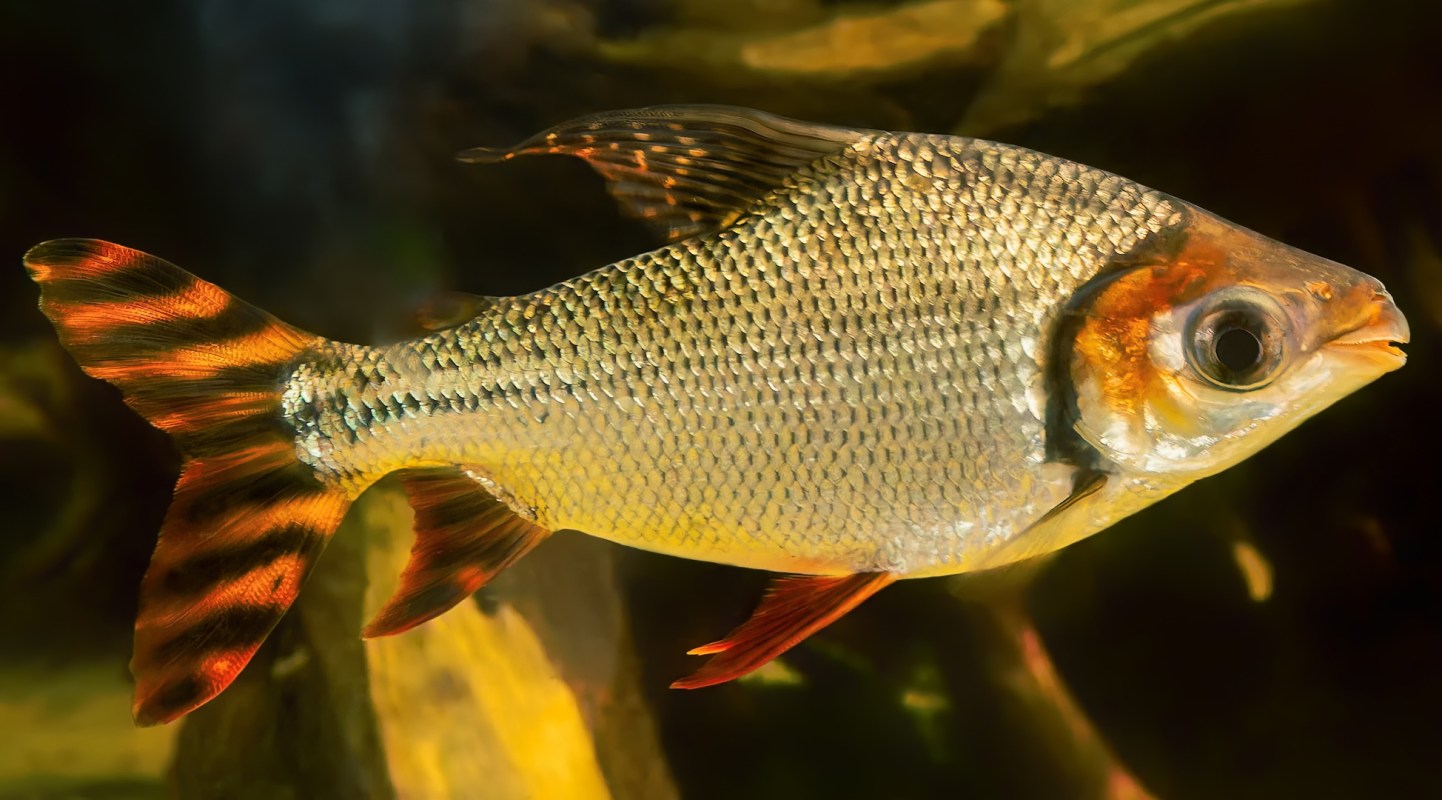
Across Brazil's Amazonas state, many families rely on jaraqui for everyday meals. But researchers now say this commonly consumed fish is also showing signs of microplastic contamination.
Because fish is a primary protein source for so many people in the region, the finding is adding to worries about what may be entering local diets.
What's happening?
Mongabay reported on July 20 that, in samples taken from Puraquequara Lake in eastern Manaus, 50% of the jaraqui examined had synthetic plastic particles in their intestines, as TechTimes reported.
In Amazonas, jaraqui is not just a migratory freshwater fish that people eat widely; it is part of daily culture. Some riverside communities consume fish at exceptionally high rates, and this year jaraqui was officially recognized as Intangible Cultural Heritage of Amazonas state.
Findings from elsewhere in the region suggest the problem is much broader than one lake. A peer-reviewed scoping review published in Ambio documented contamination across the basin, including major rivers, urban waterways, floodplains, and mangroves near the river's mouth. It also found that about two-thirds of the affected animals were species commonly eaten by local communities.
Roughly 322,000 tons of plastic waste move through the Amazon River each year, and northern Brazil's limited sewage access and untreated waste continue adding more plastic to local waterways.
TCD Picks » Quince Spotlight
💡These best-sellers from Quince deliver affordable, sustainable luxury for all




Why does it matter?
This issue is about more than the obvious plastic debris seen on the water's surface. While feeding, fish can swallow microplastics, sometimes confusing them for food, and the particles may stay in the gut longer than normal food does.
Researchers are also worried about the contaminants that can travel with those particles. Microplastics may attract and carry pollutants such as PFAS, PCBs, phthalates, and pesticide residues, in what scientists call a "Trojan Horse effect," according to TechTimes.
That risk is particularly serious in places where people eat fish several times a day. Amazonian riverine communities consume 240 to 293 kilograms (529 to 646 pounds) of fish per person each year, among the highest levels in the world. Removing the digestive tract during cleaning may lower some exposure, but it does not fully solve the problem of particles or chemicals that may have moved into tissue.
A major research gap also remains, especially in Indigenous territories and traditional food systems where reliance on local water and wild-caught fish is greatest.
What's being done?
Community groups are trying to reduce the pollution at its source. TechTimes described a June cleanup in which 50 volunteers from NGO Asas de Socorro and the Rede Reviva network removed a dumpster's worth of plastic waste from about 1.5 kilometers (about 0.93 miles) of shoreline at Puraquequara Lake.
There have been some smaller infrastructure gains as well. After pressure from local environmental groups, waste collection in Puraquequara village reportedly rose from once a week to three times a week. Researchers say, however, that scattered fixes like these will not be enough on their own.
Proposed responses include expanding sewage collection and treatment, making trash pickup more consistent, and improving monitoring of plastic contamination in fish, water, and soil. Protecting mangroves matters too, because they can trap microplastics before the pollution spreads farther — even though that also means the ecosystems themselves are taking on more of the burden.
In communities where fish is central to everyday life, the warning is difficult to dismiss. As Jéssica Fernandes de Melo, a State University of Santa Cruz researcher in ecology and biodiversity conservation, told Mongabay: "Even wild animals that have little contact with people and that live deep in the forest, far away from cities, are already contaminated with microplastics."

Get TCD's free newsletters for easy tips, smart advice, and a chance to earn $5,000 toward home upgrades. To see more stories like this one, change your Google preferences here.






