


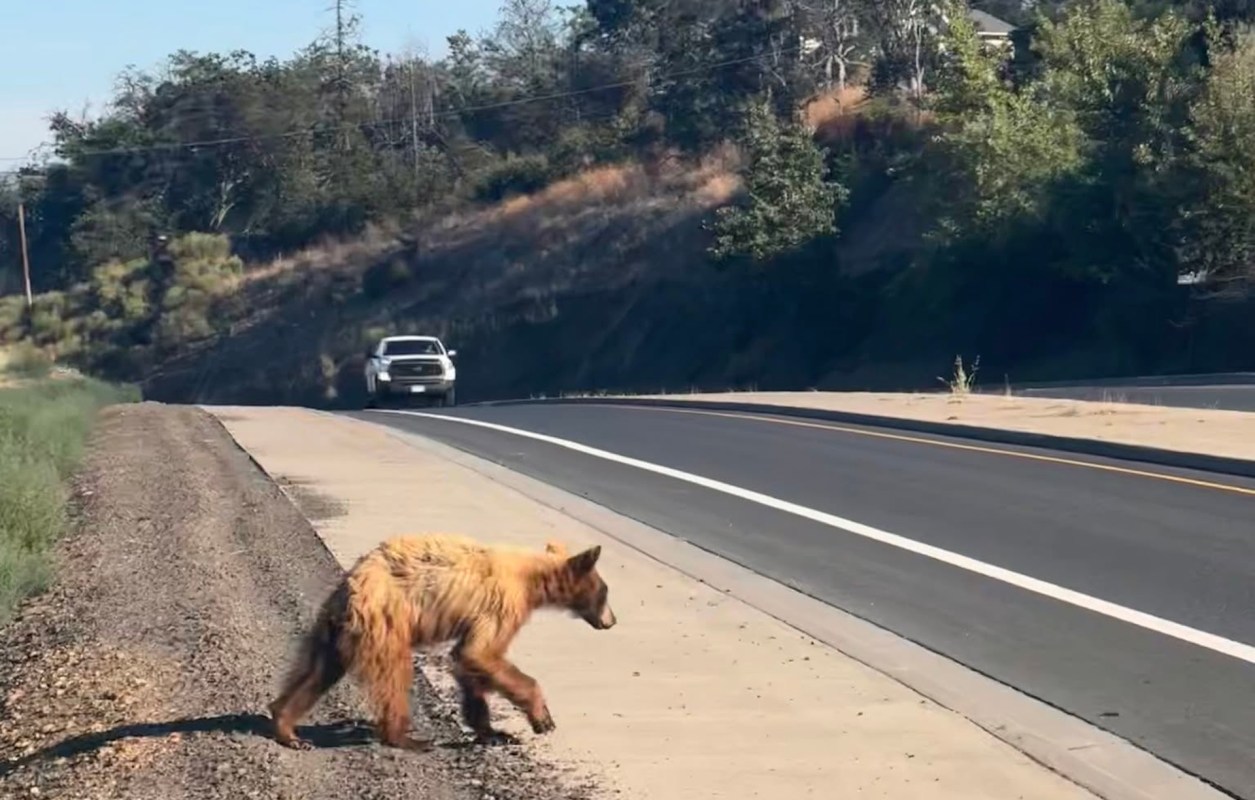
Sightings of a young bear in Phoenix, Medford, White City, and Shady Cove captured attention across Southern Oregon, but the animal's more than 25-mile path through neighborhoods and along roads did not end with a return to the wild.
Its route through developed parts of the region ended in Shady Cove, where wildlife officials said the bear's worsening condition and growing ease around people left few safe options.
What happened?
According to Your Oregon News, Oregon State Police fish and wildlife troopers humanely euthanized the roughly 1- to 2-year-old bear on July 11 after repeated reports of it in Shady Cove.
When troopers responded near Highway 62 and Firehouse Lane, they found the bear in visibly poor health.
OSP log reports described it as "severely emaciated, exhibiting very labored and lethargic movements," and said it showed "a significantly reduced fear of human presence."
State wildlife officials had been following the bear since late June, when it was first seen near the Phoenix Home Depot off Interstate 5.
TCD Picks » Quince Spotlight
💡These best-sellers from Quince deliver affordable, sustainable luxury for all




It was later reported in East Medford, South Medford, White City, and eventually Shady Cove, while the Oregon Department of Fish and Wildlife initially hoped it would make its way back to a less populated area on its own.
Early on, officials thought the bear might be older and having trouble maintaining weight because of tooth loss. They later identified it as a juvenile, and although it was not reported to be aggressive, its declining health and increasing habituation to people changed the situation.
Why does it matter?
For young bears, spending too much time in parking lots, neighborhoods, along roads, and around businesses can erode the caution that normally helps them avoid danger.
That overlap between people and wildlife is often not random. Expanding development, traffic corridors, and easy access to human spaces can draw animals into dangerous environments.
As BBC Future has reported, many risky encounters between humans and wildlife are shaped by human encroachment and by animals becoming accustomed to human presence or food sources.
Situations like this can create safety concerns for both animals and people. A bear crossing highways, wandering through yards, or approaching commercial areas faces a serious risk of vehicle strikes, malnutrition, stress, and eventual removal.
What can I do?
ODFW is urging the public not to interact with wild animals that appear in populated areas. That means not feeding them, not trying to get close for photos, and not attempting to guide or handle them without trained professionals.
Securing trash, bringing in pet food, and promptly reporting unusual animal behavior can help prevent animals from associating neighborhoods with food or safety.
In this case, officials said the bear's condition had already deteriorated too far.
OSP officials said, "After careful consideration and consultation with wildlife biologists from the Oregon Department of Fish & Wildlife, it was determined that humane euthanasia was the most appropriate and ethical course of action in this situation."

Get TCD's free newsletters for easy tips, smart advice, and a chance to earn $5,000 toward home upgrades. To see more stories like this one, change your Google preferences here.







