


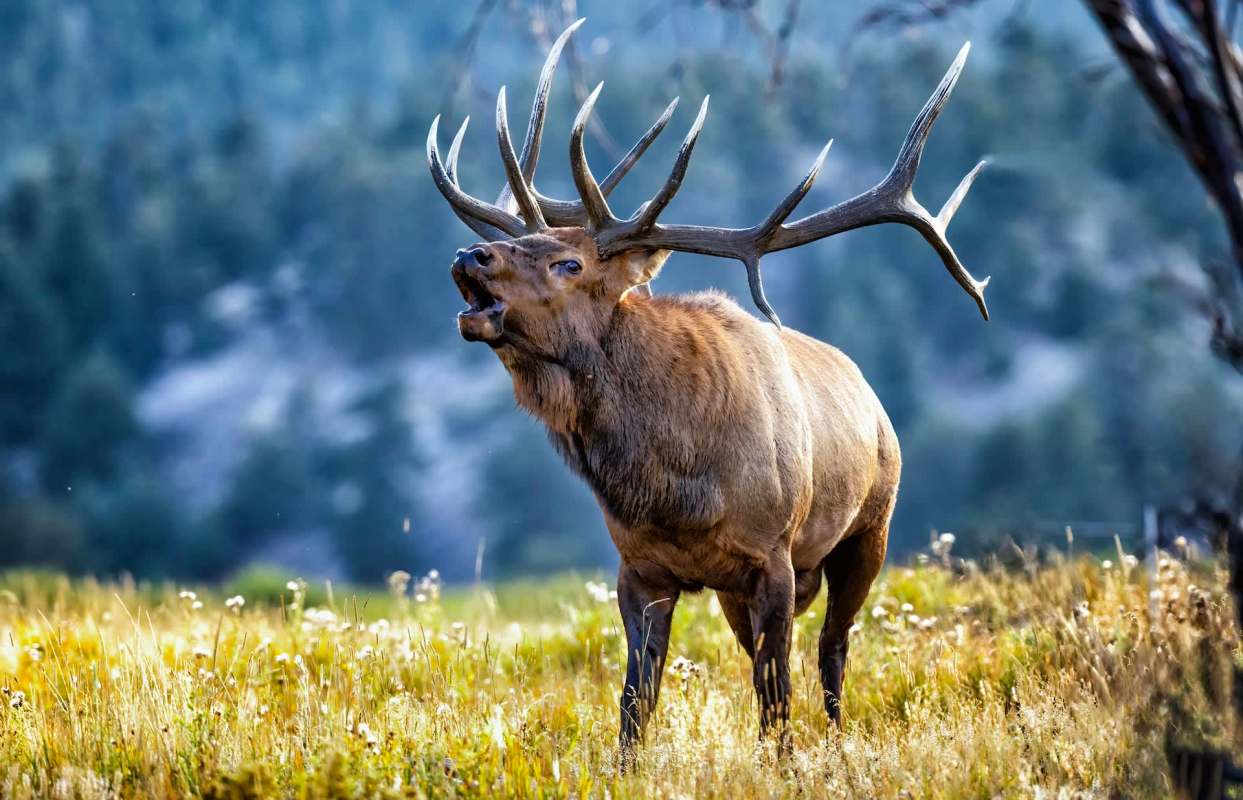
In Canadian park tourist areas, elk were linked to far more dangerous encounters with people than grizzly bears, a finding that challenges the assumption many Rocky Mountain West visitors make about which large animal poses the bigger threat.
The pattern appears to grow more pronounced in places where people and wild animals are sharing space more often.
What's happening?
Analyzing Canadian park records from 2010 to 2023, researchers found that elk were involved in 62% of documented "aggressive encounters" with people, more than grizzlies, black bears, coyotes, and mule deer, according to Cowboy State Daily.
The study was published in Frontiers in Conservation Science.
David Gummer, a Parks Canada wildlife management specialist who helped gather data for the research, said the animal's size helps explain how damaging these encounters can be.
"Elk are massive, and they've got those hard hooves. They can inflict serious damage with those stomps and kicks," Gummer told Cowboy State Daily.
TCD Picks » Quince Spotlight
💡These best-sellers from Quince deliver affordable, sustainable luxury for all




He said common injuries include broken bones, lacerations, and concussions.
Not every aggressive encounter involved direct physical contact.
As Gummer noted, "It might be evidence of the animal expressing its frustration [with people]. The elk might be stomping its feet or racking its antlers on stuff nearby."
Why does it matter?
Gummer said most conflicts start when people get too close.
Developed areas inside parks may be helping set up more of these incidents. Elk are attracted to the open habitat and green grass found around townsites, built-up park areas, and even golf courses.
Meanwhile, large crowds can keep natural predators out of those spaces, making elk more at ease in areas filled with people.
Time of year also matters.
In spring, Gummer said, "cow elk are protective of their young," and in fall, rutting season can make bull elk especially volatile.
Two children in Estes Park, Colorado, were hurt in separate spring 2024 incidents after cow elk saw them as threats to their calves.
What's being done?
Park officials are primarily trying to prevent people and wildlife from ending up too close to one another.
Visitors in Canada are advised to give elk, deer, and moose 98 feet (30 meters) of space — about three bus lengths — and to stay 328 feet (100 meters) from wolves and bears. Those recommendations mirror guidance in Yellowstone and Grand Teton.
When warnings are not enough, managers may install fences in problem areas or haze elk away from crowds.
Gummer said that can involve approaching them in trucks or on foot and "making themselves look bigger" to scare them off.
In some cases, wildlife personnel use paintball guns filled with chalk rounds to move elk out of busy areas.
Visitors are advised to keep their distance, never move between an elk and its calf, and be especially cautious in spring and fall. If an elk starts stomping, posturing, or thrashing nearby objects with its antlers, take it as a warning sign and back away calmly.
Ron Dean of Etna, a retired Wyoming Game and Fish Department employee who spent 33 years running the elk feeding program, told Cowboy State Daily that elk outside major tourist hubs tend to be warier of people.
As Gummer said, "They like open habitat where they can watch for threats," and "Plus, the crowds might deter natural predators from coming in."
Dean put it even more plainly: "Especially those bull elk, during the rut, they were mean."

Get TCD's free newsletters for easy tips, smart advice, and a chance to earn $5,000 toward home upgrades. To see more stories like this one, change your Google preferences here.







