


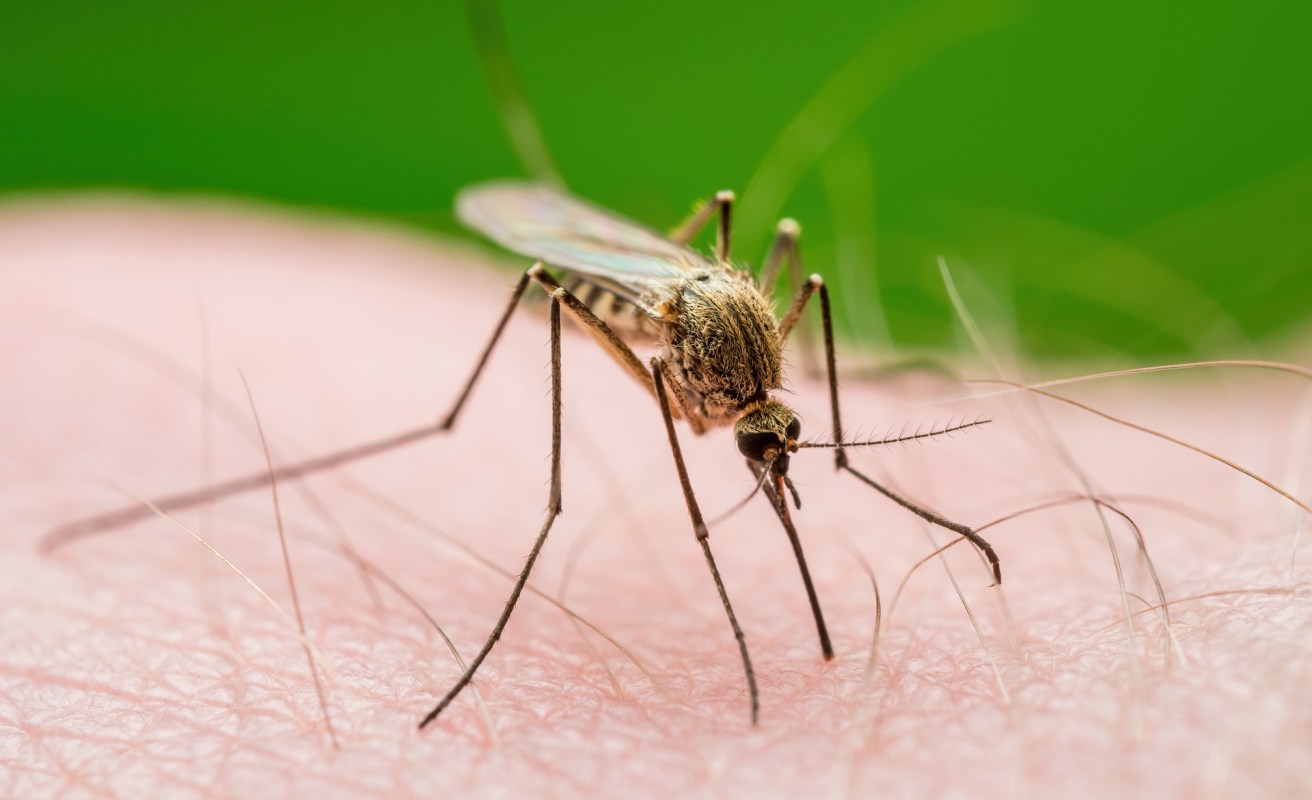
Americans planning trips to Costa Rica, a popular Central American beach destination, are being told by the CDC to be especially careful about mosquito exposure as chikungunya has reappeared there after years without a reported case.
The warning centers on an outbreak in Costa Rica involving chikungunya, a virus that is notorious for causing severe joint pain and can leave some people with symptoms that last well beyond the initial illness, reported People.
What happened?
On July 16, the U.S. Centers for Disease Control and Prevention placed Costa Rica under a Level 2 travel notice and told visitors to "practice enhanced precautions."
Costa Rica's Ministry of Health said July 1 that an outbreak had been identified in Playa Langosta, a coastal community in Guanacaste province.
An epidemiological review found 45 suspected cases there; laboratory testing confirmed four, and officials said 17 others were probably connected to the same outbreak.
According to the U.S. Embassy in Costa Rica, the outbreak has affected both Costa Rican citizens and foreign visitors. The embassy also said the virus is now being spread locally by mosquitoes in the area, rather than only being brought in by travelers.
TCD Picks » Quince Spotlight
💡These best-sellers from Quince deliver affordable, sustainable luxury for all




With the current cluster included, Costa Rica has recorded 16 chikungunya cases this year. Before these reports, the country had not identified a case since 2017.
Why does it matter?
Although chikungunya is not often deadly, it can be highly debilitating. It is transmitted by infected Aedes aegypti mosquitoes, which also carry dengue and Zika, and symptoms may include fever, headache, muscle pain, rash, joint swelling, and especially severe joint pain.
Research suggests those effects can persist for years: one study found that some people were still coping with chronic joint pain six years after infection, along with severe fatigue and problems with mobility.
A Level 2 notice means federal health officials believe extra precautions are warranted right now.
What can I do?
Both the CDC and the U.S. Embassy say the main defense is preventing mosquito bites.
Travelers are advised to use EPA-registered insect repellent, wear long sleeves and pants when they can, and stay in places with air conditioning or proper window screens.
During the first week of illness, a person with chikungunya can also help fuel further spread if mosquitoes bite them and then transmit the virus to others.
Anyone who develops fever or intense joint pain during or after travel should seek medical advice, particularly if symptoms begin soon after mosquito exposure.
Earlier this year, the Pan American Health Organization issued an alert in response to rising chikungunya case counts worldwide, and recent reports have also documented local transmission in places not typically associated with the disease.

Get TCD's free newsletters for easy tips, smart advice, and a chance to earn $5,000 toward home upgrades. To see more stories like this one, change your Google preferences here.






