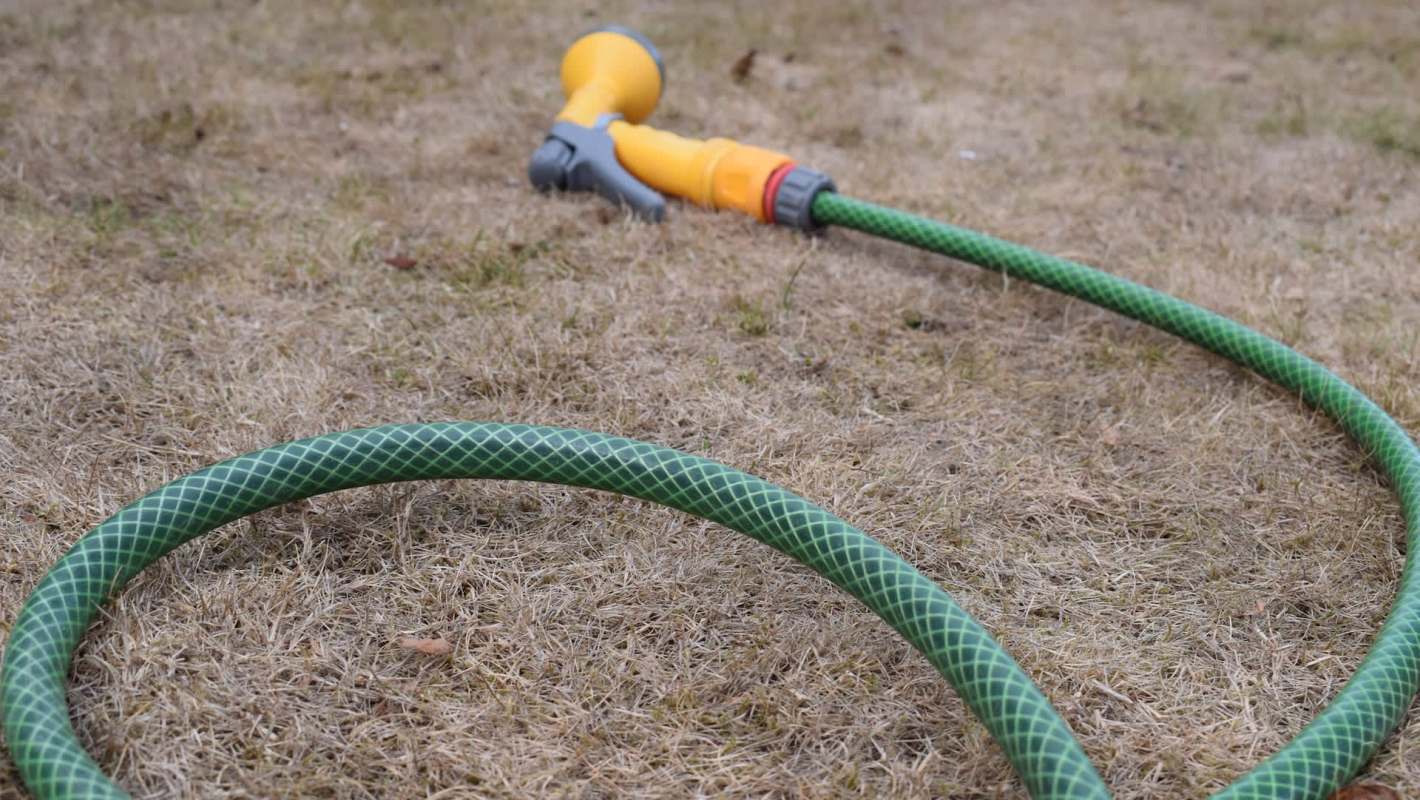
After an unusually hot, dry spring, Thames Water will impose a hosepipe ban on about 10 million customers in parts of southern England.
That will force many households to rethink routine outdoor chores, including watering gardens and washing cars, as officials try to protect drinking water supplies during the prolonged dry spell.
What's happening?
Thames Water said the restrictions will take effect Thursday and will apply, the BBC reported, to drinking water customers in parts of Gloucestershire, Wiltshire, Surrey, the Thames Valley, Greater London, and nearby areas.
According to Yahoo News, which cited the BBC, the area has received only 40% of its typical rainfall, and this year has already set a record for days reaching at least 93.2 degrees Fahrenheit (34 degrees Celsius).
The temporary ban covers several common outdoor activities, meaning customers cannot use hosepipes or pressure washers to fill paddling pools or swimming pools, water gardens or allotments, or clean cars, patios, windows, and other outdoor spaces.
Buckets and watering cans will still be allowed, and exemptions remain for certain circumstances, including health and safety, animal welfare, some food crops, recently planted trees, and customers with disabilities or medical conditions.
TCD Picks » Quince Spotlight
💡These best-sellers from Quince deliver affordable, sustainable luxury for all




Company figures cited by the BBC show daily consumption running above normal levels, with demand up 7% in London and 10% in the Thames Valley and Home Counties — roughly 26.4 million extra gallons (100 million extra liters) a day.
Why does it matter?
The ban is meant to reduce nonessential outdoor water use so that essential supplies remain available for drinking, cooking, washing, and hygiene.
When reservoirs, rivers, and treatment systems come under strain, cutting discretionary use can help protect supplies for entire communities.
Lower demand during drought conditions can also ease pressure on local waterways and ecosystems already struggling through prolonged dry weather.
Critics have also noted that customers are being asked to cut back while Thames Water continues to grapple with leaks and roughly £20 billion ($26.6 billion) in debt.
The restriction also fits into a wider national pattern: according to the BBC, similar measures have been brought in recently by Anglian Water, Affinity Water, Cambridge Water, South East Water, South West Water, Southern Water, and Welsh Water.
What's being done?
Thames Water said its teams are "working 24/7 to keep water moving, fix leaks and support customers," while continuing to monitor conditions to determine when the restrictions can be lifted safely.
The ban is intended to ease pressure on parts of the network where, as the BBC reported, demand is outpacing how quickly water can be processed and moved.
Many of the criticisms surrounding the ban point to the same solutions: faster leak repairs, stronger drought planning, and infrastructure upgrades that make water systems more resilient as hotter, drier weather becomes more common.
Household conservation can help during emergencies, but it cannot replace major investment in the system.
Residents can focus on essential water use and swap hosepipes for lower-volume options, such as using a watering can for plants or a bucket to wash a car.
"We would not be taking this step unless it was necessary to protect water supplies for everyone and the environment," said Nevil Muncaster, director of strategic water resources.
He added: "While there is enough water for essential use, we need to reduce non-essential outdoor demand to keep taps flowing."

Get TCD's free newsletters for easy tips, smart advice, and a chance to earn $5,000 toward home upgrades. To see more stories like this one, change your Google preferences here.