


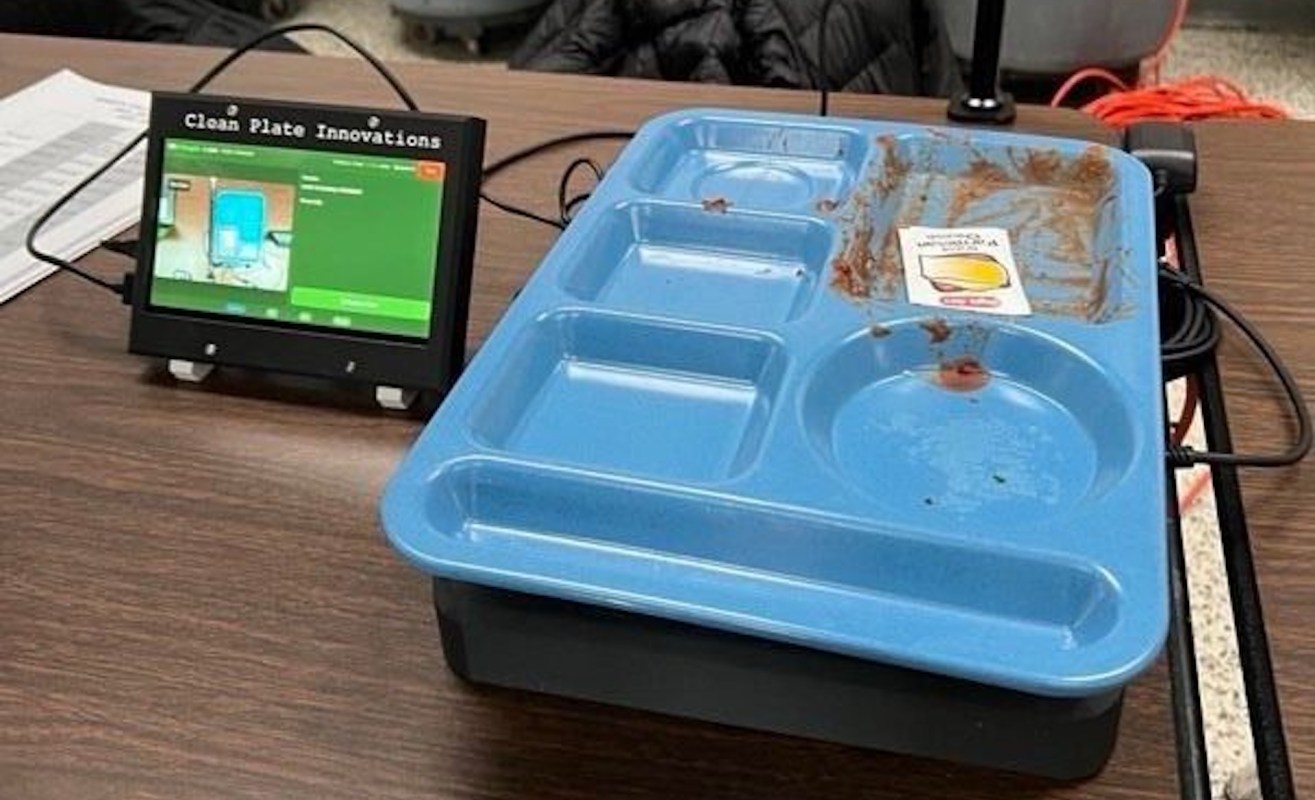
Restaurants and cafeterias have long had a blind spot in the food that makes it onto a plate but never gets eaten. One Pittsburgh startup, Clean Plate Innovations, wants to turn that overlooked waste into actionable data.
Clean Plate Innovations uses AI to study leftovers and show operators which foods are ending up in the trash. That view can also reveal where avoidable costs are piling up.
What's happening?
At the center of Clean Plate Innovations' business is the idea that uneaten food can reveal patterns in how kitchens operate.
Nolan Sulpizio, the company's founder and CEO, launched Clean Plate in 2024 while he was a student at Duquesne University, according to Axios Pittsburgh. Its system reviews images of food left uneaten and converts those findings into guidance for kitchen teams.
With that information, food-service operators can make decisions about portions, menus, and purchasing based on what diners actually leave behind instead of intuition. The financial hit from wasted food makes this more than a sustainability concern.
The scraps left on a plate can signal whether a kitchen is over-serving, over-ordering, or preparing items customers do not actually want to finish.
TCD Picks » Quince Spotlight
💡These best-sellers from Quince deliver affordable, sustainable luxury for all




The company's mission is founded on a question chief strategic officer Daniel Oldak says extends beyond their business: "Are we treating food with the dignity it deserves?"
Why does it matter?
Food waste is often framed as a household issue, but businesses play a major role, too. When restaurants, cafeterias, hotels, and other food-service operators prepare more than people eat, they lose money.
There is also a broader environmental cost. Wasted food means resources are used to grow, process, and deliver meals that ultimately are not consumed.
Better tracking could eventually lead to smarter portions, more responsive menus, and less inefficiency that can drive up prices. For businesses operating on tight margins, even small reductions in waste can add up quickly.
The issue is also more complicated than simply telling companies to donate everything left over. Food has to be safe for human consumption before it can be redirected, which is why preventing waste upstream — before food is overproduced or overserved — is often one of the most effective solutions.
What's being done?
The first step in Clean Plate's model is figuring out what diners are not eating. Once operators can see what comes back uneaten, they have a better sense of where adjustments are needed, according to Axios.
In practice, that might involve reducing portion sizes, cutting back on ingredients that regularly go untouched, or reshaping menus around items diners are more likely to finish. Changes like those can reduce trash while protecting a business's bottom line.
The model also reflects a growing push to treat food waste as an operations problem, not just a sustainability talking point. Better data can help companies avoid the wasteful habits that get baked into day-to-day service when no one is tracking what customers leave behind.
When safe and feasible, surplus food donation also remains an important tool — but prevention is often the first and best step.
"Food should not be seen as a commodity that's dispensable," Oldak said, according to Axios.

Get TCD's free newsletters for easy tips, smart advice, and a chance to earn $5,000 toward home upgrades. To see more stories like this one, change your Google preferences here.






